
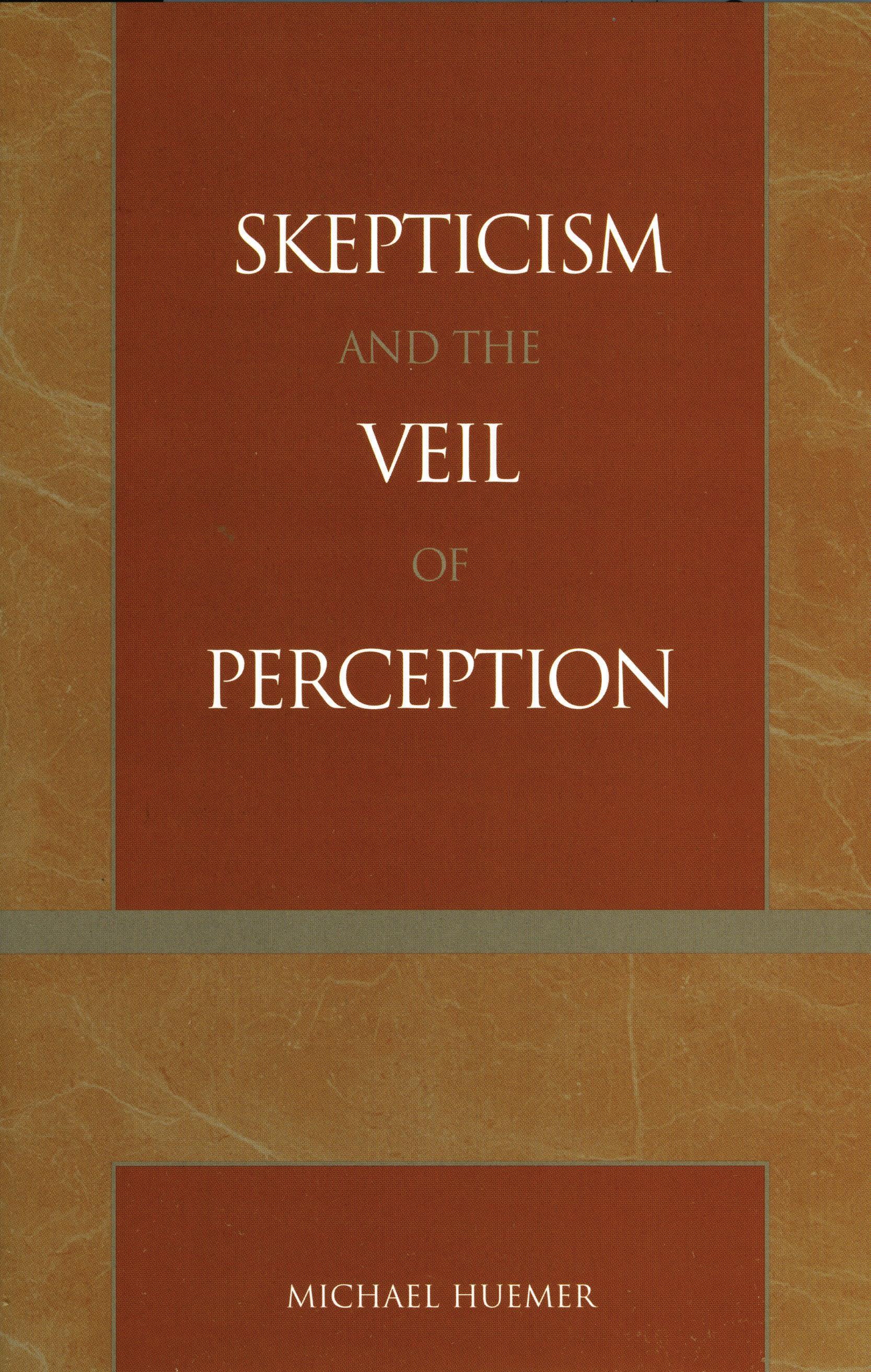
Since Descartes, one of the central questions of Western philosophy has been that of how we know that the objects we seem to perceive are real. Philosophical skeptics claim that we know no such thing. Representationalists claim that we can gain such knowledge only by inference, by showing that the hypothesis of a real world is the best explanation for the kind of sensations and mental images we experience. Both accept the doctrine of a 'veil of perception:' that perception can only give us direct awareness of images or representations of objects, not the external objects themselves. In contrast, Huemer develops a theory of perceptual awareness in which perception gives us direct awareness of real objects, not mental representations, and we have non-inferential knowledge of the properties of these objects. Further, Huemer confronts the four main arguments for philosophical skepticism, showing that they are powerless against this kind of theory of perceptual knowledge.
Zahle einfach mit Karte, Klarna, Apple Pay oder Google Pay. Nicht zufrieden? Du hast immer ein 14-tägiges Widerrufsrecht. Lies mehr in unseren AGB. Hast du Fragen, schreib uns eine E-Mail an hello@memmo.org.
Memmo macht das Lernen einfacher – wo auch immer du bist. Bei uns findest du deine Kursbücher und smarte Lerntools an einem Ort: Zusammenfassungen, Quizzes, Podcasts und Lernkarten. Und Ted, dein Lernbuddy, beantwortet alles, was du wissen möchtest. Über 50.000 Studierende lernen bereits hier – gemacht, damit du schneller lernst und weniger Stress hast.