
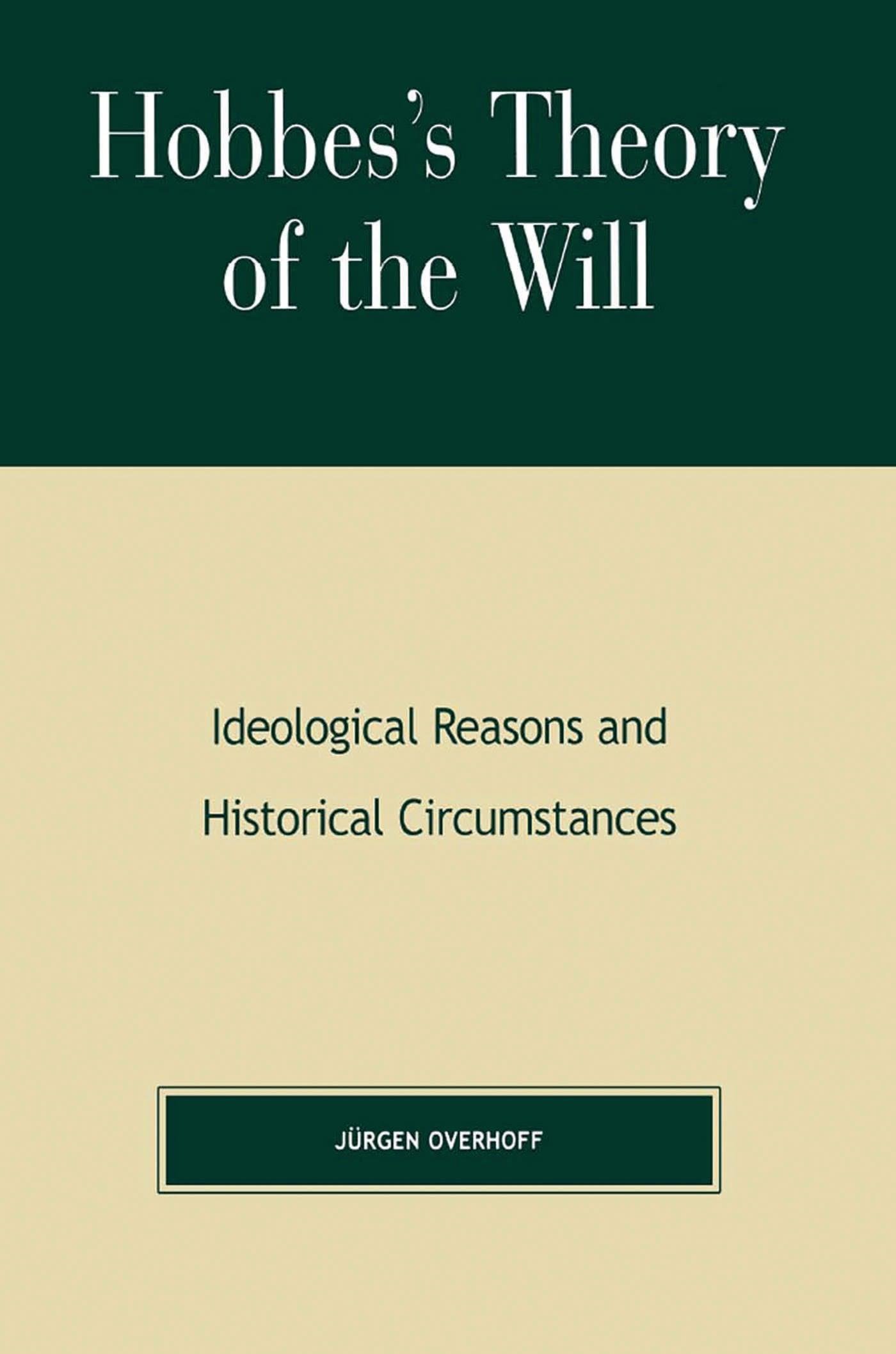
In Hobbes's Theory of the Will, Jurgen Overhoff reveals the religious, ethical, and political consequences of Thomas Hobbes's doctrine of volition. The author gracefully describes how Hobbes's thought was governed by assumptions based firmly in Galilean natural philosophy and orthodox Protestant theology. Overhoff also demonstrates how his subject used materialist eschatology and an absolutist political theory to resolve the social and ethical predicaments that coincided with these assumptions. Finally, Overhoff provides a chronological study of the numerous philosophical, theological, religious and political aspects of Hobbes's idea of the will and situates Hobbes's doctrine within the context of the most important responses and objections put forward by his critics.
Zahle einfach mit Karte, Klarna, Apple Pay oder Google Pay. Nicht zufrieden? Du hast immer ein 14-tägiges Widerrufsrecht. Lies mehr in unseren AGB. Hast du Fragen, schreib uns eine E-Mail an hello@memmo.org.
Memmo macht das Lernen einfacher – wo auch immer du bist. Bei uns findest du deine Kursbücher und smarte Lerntools an einem Ort: Zusammenfassungen, Quizzes, Podcasts und Lernkarten. Und Ted, dein Lernbuddy, beantwortet alles, was du wissen möchtest. Über 50.000 Studierende lernen bereits hier – gemacht, damit du schneller lernst und weniger Stress hast.