
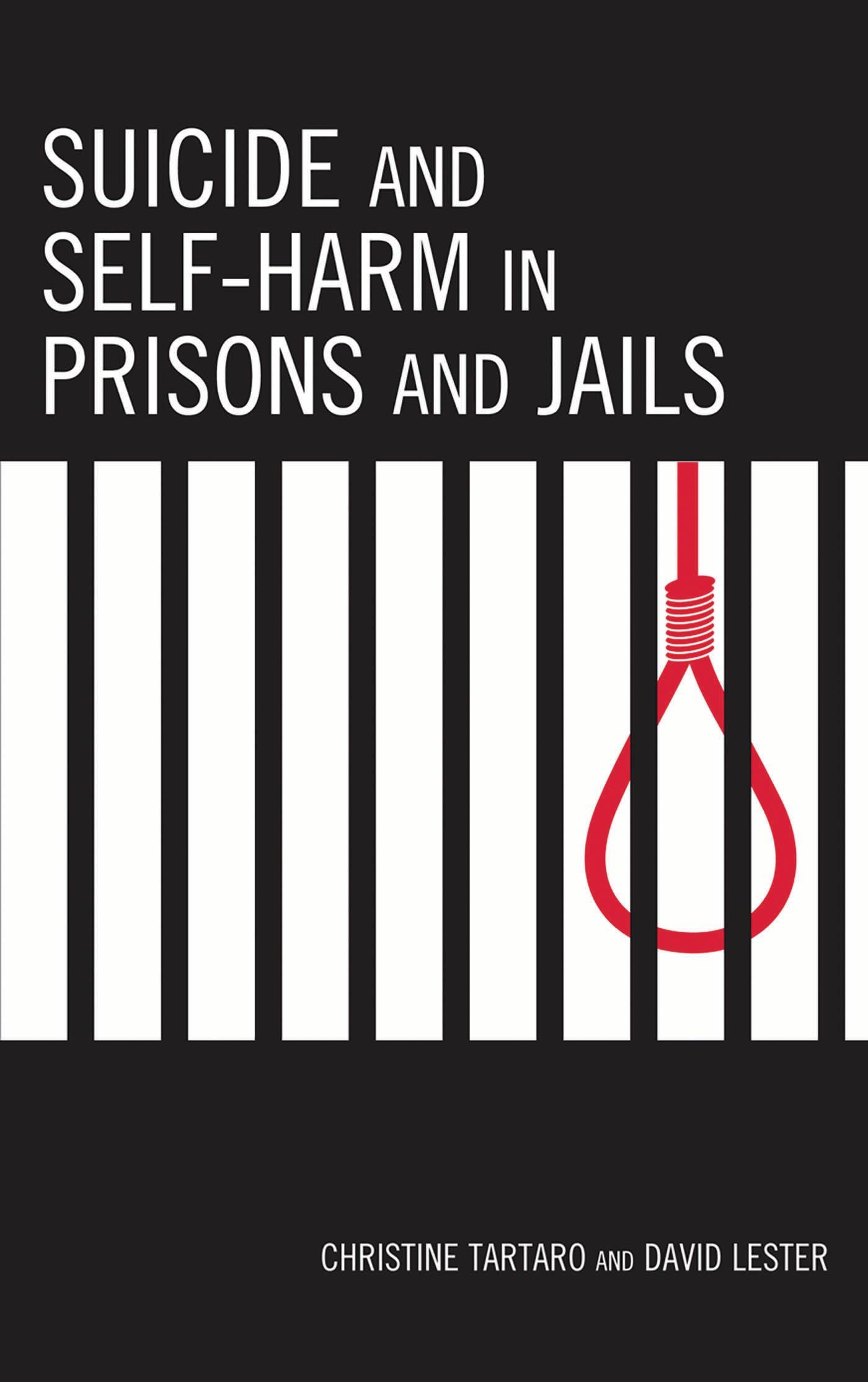
Police and corrections personnel must always be mindful of the possibility that those in their custody may attempt suicide or commit an act of self-mutilation. Persons housed in prisons, jails, and police lockups tend to be at a higher risk for such destructive behavior than members of the general population. Reasons for this can be found by examining the mental health, substance abuse, and physical/sexual abuse histories of inmates in addition to deficits in their coping skills and the stress and uncertainty generated by incarceration.
This book explores several topics pertaining to suicide and deliberate self-harm in the corrections setting, including who tends to commit these acts; where, when, and how these incidents occur; screening mechanisms; the role of environmental stimuli in facilitating or preventing acts of self harm; interpersonal relations among inmates and between inmates and staff; and the role of the courts in setting and ruling on suicide prevention policies. The authors discuss the role of prevention techniques that offer a balance between strict opportunity-reduction and softer motivation-reduction strategies. The book also includes suggestions for diversion programs that can keep mentally ill inmates out of prisons and jails and transition planning programs to better prepare outgoing inmates for their re-entry into the community.
This book explores several topics pertaining to suicide and deliberate self-harm in the corrections setting, including who tends to commit these acts; where, when, and how these incidents occur; screening mechanisms; the role of environmental stimuli in facilitating or preventing acts of self harm; interpersonal relations among inmates and between inmates and staff; and the role of the courts in setting and ruling on suicide prevention policies. The authors discuss the role of prevention techniques that offer a balance between strict opportunity-reduction and softer motivation-reduction strategies. The book also includes suggestions for diversion programs that can keep mentally ill inmates out of prisons and jails and transition planning programs to better prepare outgoing inmates for their re-entry into the community.
Zahle einfach mit Karte, Klarna, Apple Pay oder Google Pay. Nicht zufrieden? Du hast immer ein 14-tägiges Widerrufsrecht. Lies mehr in unseren AGB. Hast du Fragen, schreib uns eine E-Mail an hello@memmo.org.
Memmo macht das Lernen einfacher – wo auch immer du bist. Bei uns findest du deine Kursbücher und smarte Lerntools an einem Ort: Zusammenfassungen, Quizzes, Podcasts und Lernkarten. Und Ted, dein Lernbuddy, beantwortet alles, was du wissen möchtest. Über 50.000 Studierende lernen bereits hier – gemacht, damit du schneller lernst und weniger Stress hast.