
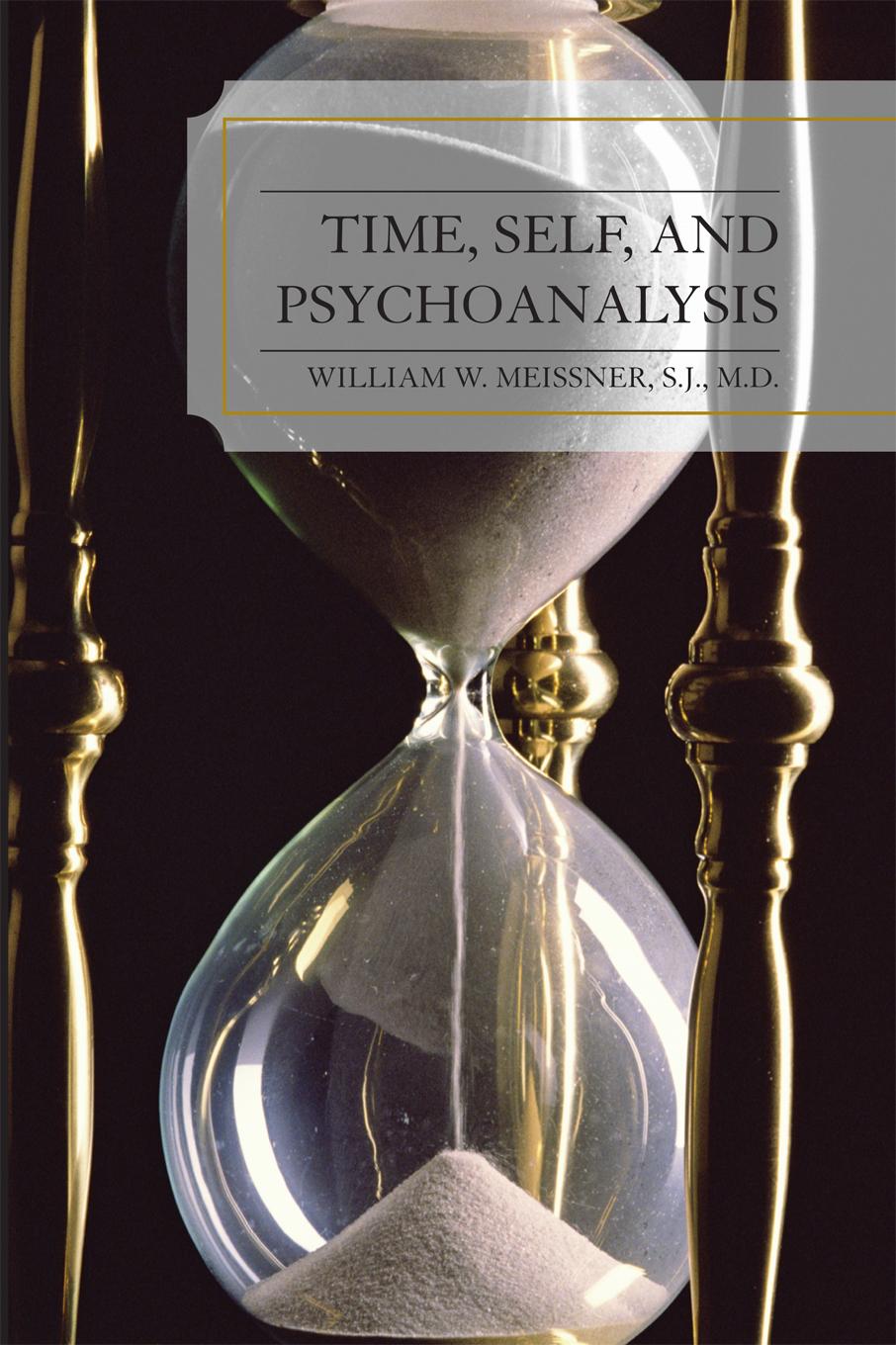
This book is a study of time, particularly of the nature of subjective time-that is, time as subjectively experienced and lived in contrast with time as measured objectively as, for example, by a clock. The argument first addresses the development of the time experience, its origins in infantile experience, and traces its variations and modifications during the course of the life cycle. As the life course advances, concerns about and preoccupations with death play an increasingly important role in attitudes toward and involvement in temporally related contexts. The next step is an examination of the phenomenology of time experience itself and its dependence on biorhythms and affective influences. An important aspect of this discussion is the relation between time experience as a conscious phenomenon and the functioning of unconscious determinants of the time experience. This leads to the question: given these conclusions regarding the nature of time experience, what implications can we draw for the understanding of the nature and functioning of the self within psychoanalysis? The book's final section applies these understandings to the analytic process, focusing particularly on the meaning of the time experience in the patient's psychic reality and patterns of enactment around issues of time and time management in the analytic situation.
Zahle einfach mit Karte, Klarna, Apple Pay oder Google Pay. Nicht zufrieden? Du hast immer ein 14-tägiges Widerrufsrecht. Lies mehr in unseren AGB. Hast du Fragen, schreib uns eine E-Mail an hello@memmo.org.
Memmo macht das Lernen einfacher – wo auch immer du bist. Bei uns findest du deine Kursbücher und smarte Lerntools an einem Ort: Zusammenfassungen, Quizzes, Podcasts und Lernkarten. Und Ted, dein Lernbuddy, beantwortet alles, was du wissen möchtest. Über 50.000 Studierende lernen bereits hier – gemacht, damit du schneller lernst und weniger Stress hast.