
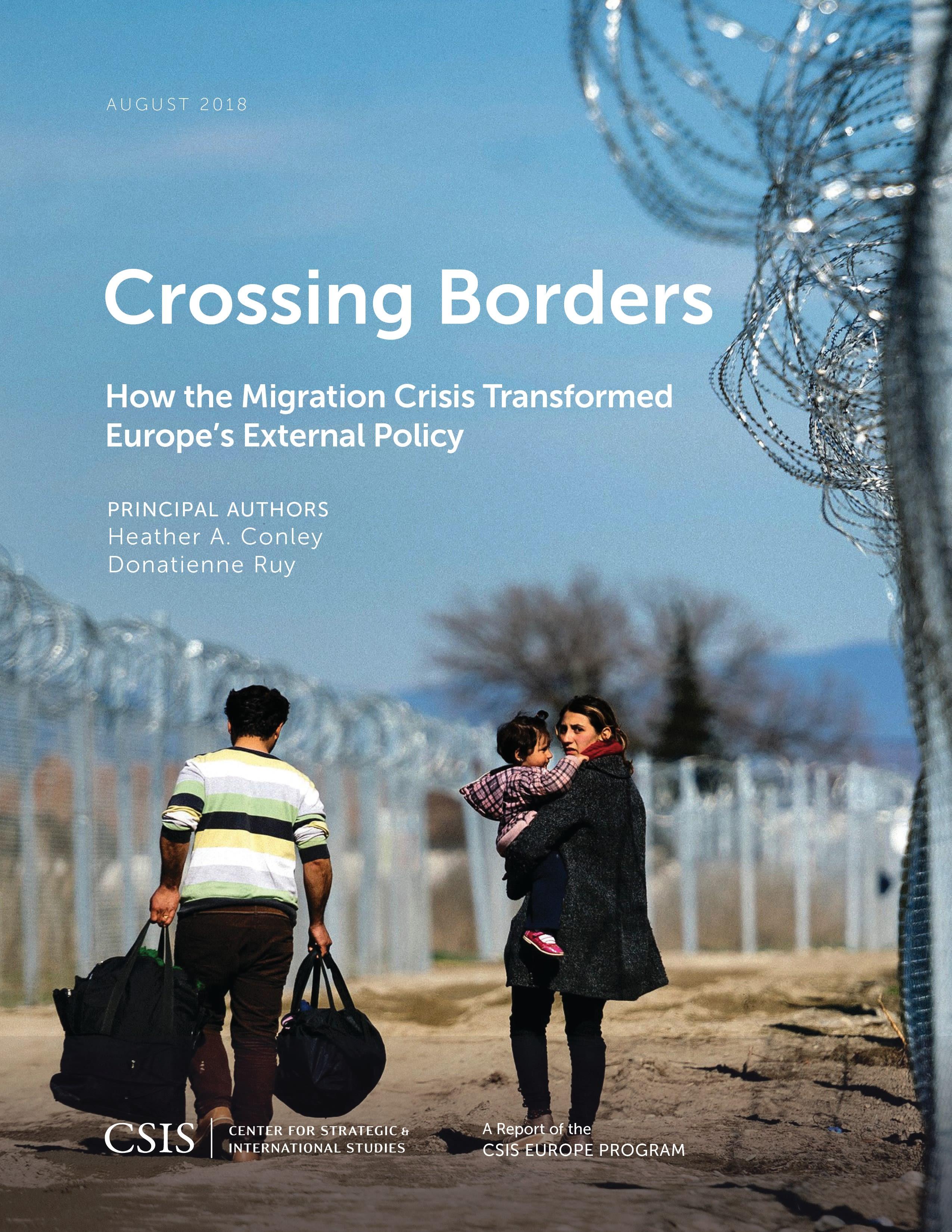
In recent years, Europe has seen its largest influx of migrants and refugees in decades, with 1.9 million arrivals to the continent between 2014 and 2017. Peak arrivals in 2015, and sustained flows since then, have found the European Union and its 28 member states unable to face what has been called the “European migration crisis.” Part of their response has focused on cooperation with third countries of transit or origin, by leveraging development, humanitarian, and foreign policy tools to try and reduce migrant flows to Europe, including through many funding and budgetary decisions. This report attempts to quantify, through budgetary analysis, what shifts occurred in the external dimension of Europe’s migration policy following the crisis, and in three member states (Germany, Sweden, and the Netherlands). These short-term shifts, representing policy priorities, carry long-term consequences for the European Union’s role as a foreign policy and soft power actor.
Zahle einfach mit Karte, Klarna, Apple Pay oder Google Pay. Nicht zufrieden? Du hast immer ein 14-tägiges Widerrufsrecht. Lies mehr in unseren AGB. Hast du Fragen, schreib uns eine E-Mail an hello@memmo.org.
Memmo macht das Lernen einfacher – wo auch immer du bist. Bei uns findest du deine Kursbücher und smarte Lerntools an einem Ort: Zusammenfassungen, Quizzes, Podcasts und Lernkarten. Und Ted, dein Lernbuddy, beantwortet alles, was du wissen möchtest. Über 50.000 Studierende lernen bereits hier – gemacht, damit du schneller lernst und weniger Stress hast.