
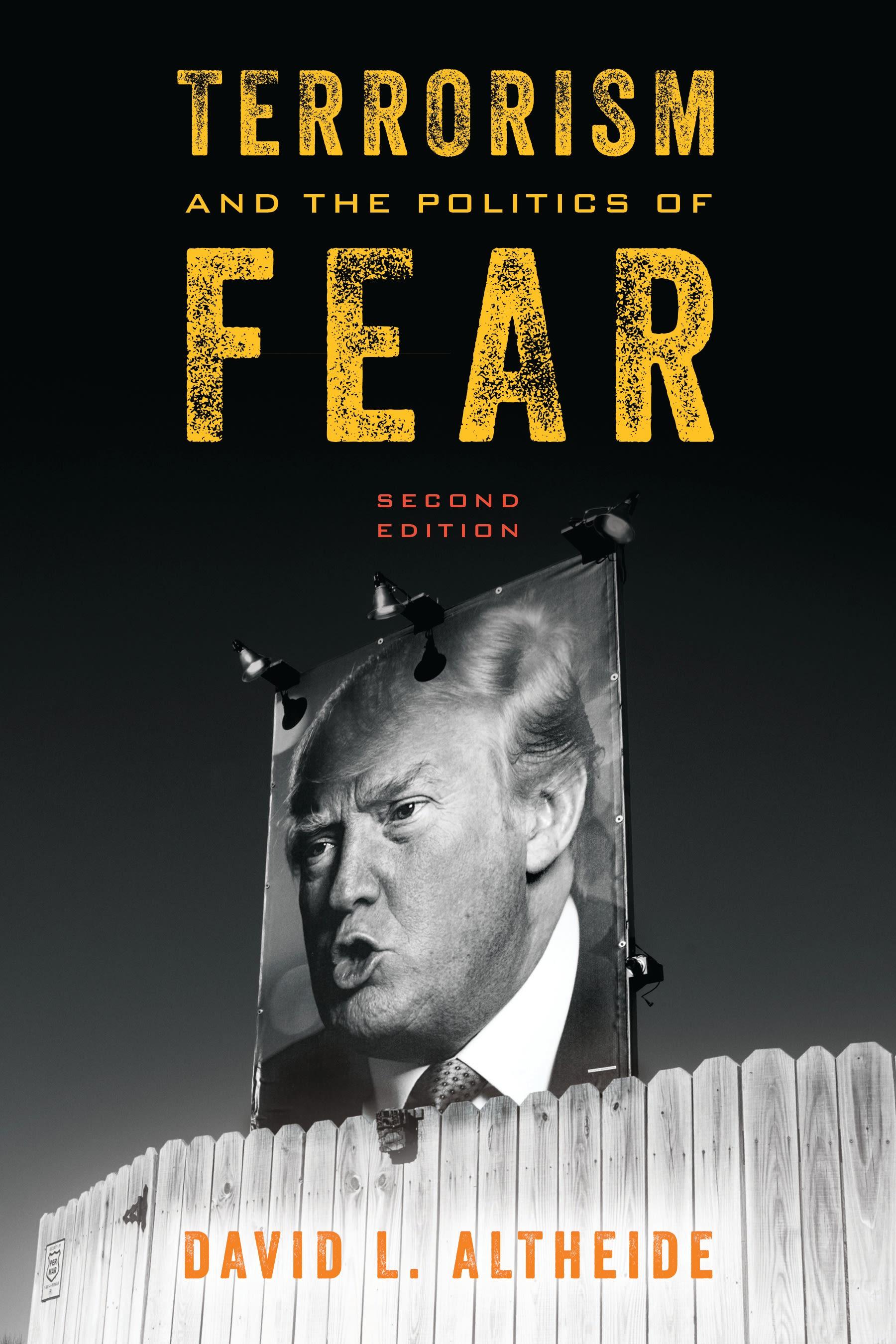
This thoughtful text demonstrates how the mass media constructs a politics of fear in the United States. Using a social interactionist perspective, the chapters examines such issues as the expansion of surveillance on the Internet, the construction of a terrorism-fighting hero to promote patriotism, the use of social media by terror groups, the fear of the other fostered by the refugee crisis and western radicalization, as well as the mass-mediated reaction to recent terrorist attacks. Also covered are the politics of fear involving disease (Ebola, Zika), social control efforts, and harsh attacks on American governmental officials for not keeping people safe from harm.
All chapters in this new edition have been updated with descriptions and relevant analysis of significant events, including two Israeli-Hamas wars, terrorism attacks (e.g., Boston Marathon, Charlie Hebdo, San Bernadino, etc.), global reactions—often hostility—to refugees in the United States and especially Europe, the development of ISIS, surveillance (Wiki Leaks, Snowden, NSA), and the growing significance of social media. The text explains how the social construction of fear is used to steer public and foreign policy, arguing that security policies to protect the citizenry from violence have become control systems that most often curtail privacy and civil liberties.
All chapters in this new edition have been updated with descriptions and relevant analysis of significant events, including two Israeli-Hamas wars, terrorism attacks (e.g., Boston Marathon, Charlie Hebdo, San Bernadino, etc.), global reactions—often hostility—to refugees in the United States and especially Europe, the development of ISIS, surveillance (Wiki Leaks, Snowden, NSA), and the growing significance of social media. The text explains how the social construction of fear is used to steer public and foreign policy, arguing that security policies to protect the citizenry from violence have become control systems that most often curtail privacy and civil liberties.
Zahle einfach mit Karte, Klarna, Apple Pay oder Google Pay. Nicht zufrieden? Du hast immer ein 14-tägiges Widerrufsrecht. Lies mehr in unseren AGB. Hast du Fragen, schreib uns eine E-Mail an hello@memmo.org.
Memmo macht das Lernen einfacher – wo auch immer du bist. Bei uns findest du deine Kursbücher und smarte Lerntools an einem Ort: Zusammenfassungen, Quizzes, Podcasts und Lernkarten. Und Ted, dein Lernbuddy, beantwortet alles, was du wissen möchtest. Über 50.000 Studierende lernen bereits hier – gemacht, damit du schneller lernst und weniger Stress hast.