
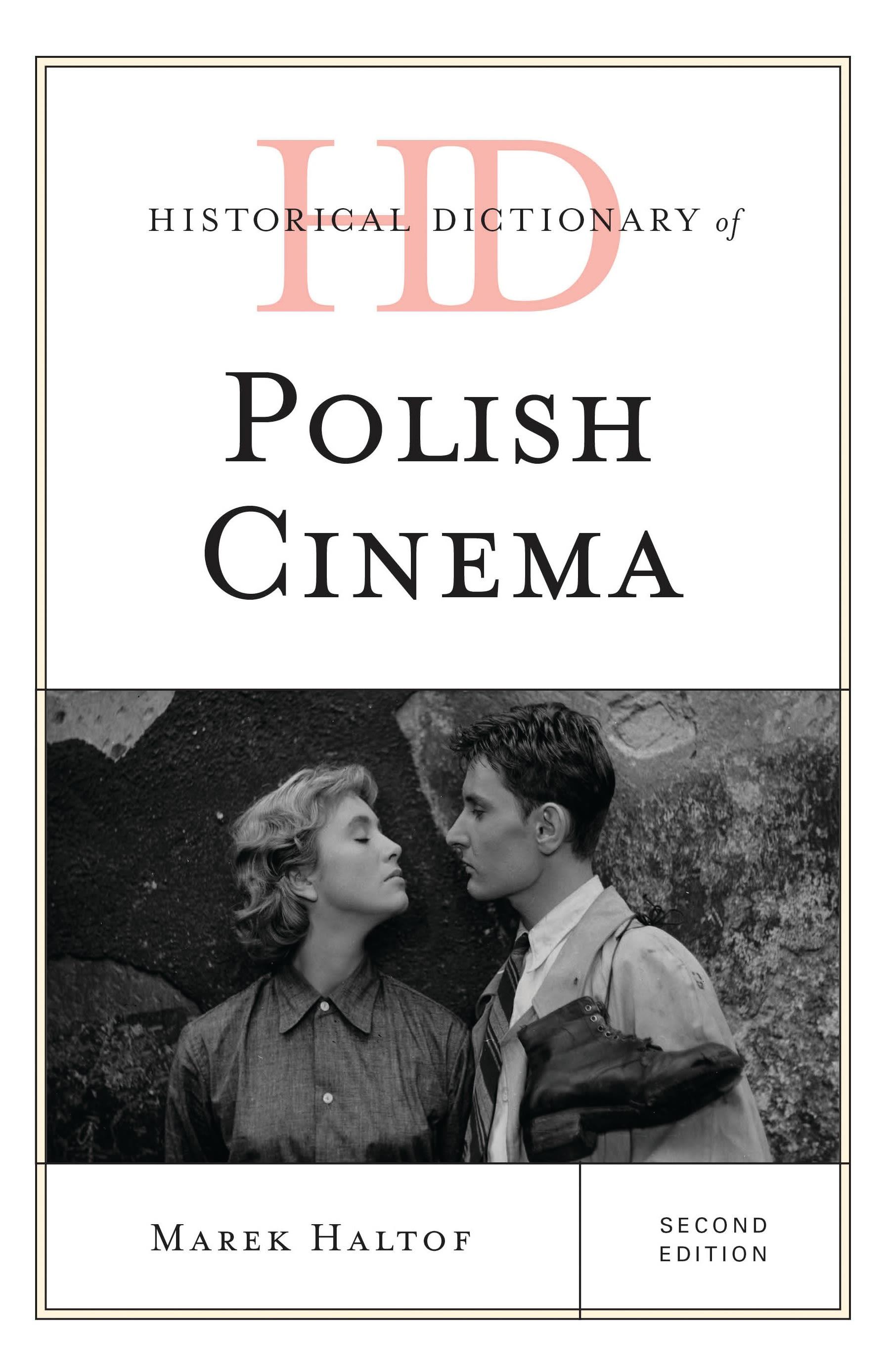
In 1902, scientist and inventor Kazimierz Prószynski made the first Polish narrative film, The Return of a Merry Fellow. Since then, the Polish film industry has produced a diverse body of work, ranging from patriotic melodramas and epic adaptations of the national literary canon to Yiddish cinema and films portraying the corrupt side of communism. Poland has produced several internationally known films, including Andrzej Wajda’s war trilogy, A Generation (1955), Kanal (1957), and Ashes and Diamonds (1958); Roman Polanski’s Knife in the Water (1962); and Andrzej Munk’s The Passenger (1963). Often performing specific political and cultural duties for their nation, Polish filmmakers were well aware of their role as educators, entertainers, social activists, and political leaders.
This second edition of Historical Dictionary of Polish Cinema fills the gap in film scholarship, presenting an extensive factual survey of Polish film. Through a chronology; an introductory essay; appendixes, a bibliography; and over 300 cross-referenced dictionary entries on films, directors, actors, producers, and film institutions, a balanced picture of the richness of Polish cinema is presented. Readers with professional interest in cinema will welcome this new work, which will enhance senior undergraduate or postgraduate courses in film studies.
This second edition of Historical Dictionary of Polish Cinema fills the gap in film scholarship, presenting an extensive factual survey of Polish film. Through a chronology; an introductory essay; appendixes, a bibliography; and over 300 cross-referenced dictionary entries on films, directors, actors, producers, and film institutions, a balanced picture of the richness of Polish cinema is presented. Readers with professional interest in cinema will welcome this new work, which will enhance senior undergraduate or postgraduate courses in film studies.
Zahle einfach mit Karte, Klarna, Apple Pay oder Google Pay. Nicht zufrieden? Du hast immer ein 14-tägiges Widerrufsrecht. Lies mehr in unseren AGB. Hast du Fragen, schreib uns eine E-Mail an hello@memmo.org.
Memmo macht das Lernen einfacher – wo auch immer du bist. Bei uns findest du deine Kursbücher und smarte Lerntools an einem Ort: Zusammenfassungen, Quizzes, Podcasts und Lernkarten. Und Ted, dein Lernbuddy, beantwortet alles, was du wissen möchtest. Über 50.000 Studierende lernen bereits hier – gemacht, damit du schneller lernst und weniger Stress hast.