
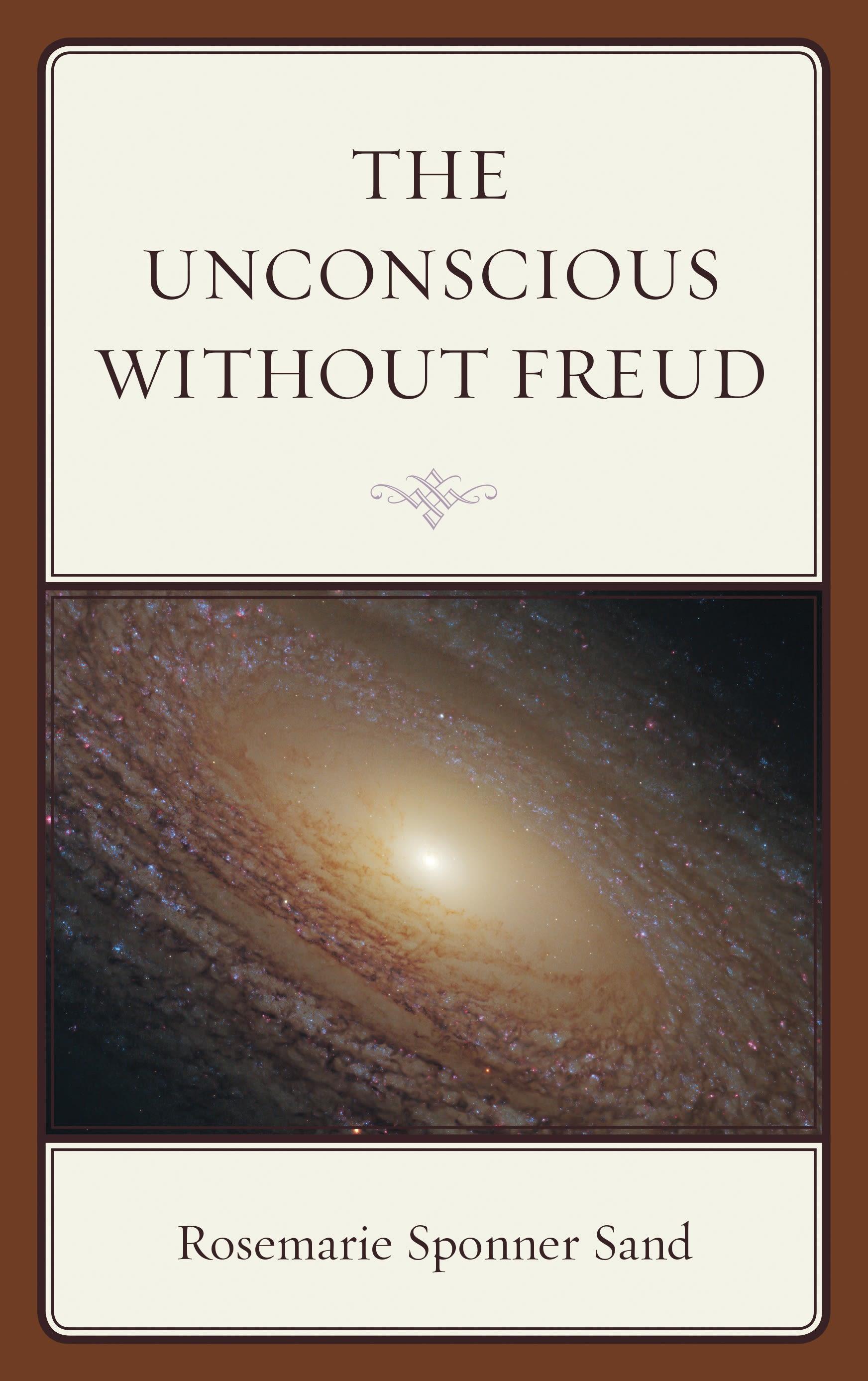
During the first ten years of his career in psychological medicine, Sigmund Freud espoused a theory of unconsciousness which predated his own. As Rosemarie Sand describes in The Unconscious without Freud, he would evolve this theory over the course of his career and eventually apply it to his own psychological practice. Once Freud's hypothesis of unconscious mental functioning was published, the same professionals who had valued the traditional concept turned against what they considered to be a catastrophic, logically indefensible revision. The scientific investigation of unconscious influences was retarded for decades as a war zone opened between implacable opponents and intransigent defenders of the Freudian concept of unconscious mind. In the din of this battle, the traditional theory, free of the features which Freud's foes could not accept, was forgotten. Sand argues that a return to this original theory, which psychotherapists and experimenters might both espouse, could contribute to a cessation of hostilities and lead to the peaceful development of a theory of the unconscious—one that is free from the stigma that is currently attached to Freudian theory.
Zahle einfach mit Karte, Klarna, Apple Pay oder Google Pay. Nicht zufrieden? Du hast immer ein 14-tägiges Widerrufsrecht. Lies mehr in unseren AGB. Hast du Fragen, schreib uns eine E-Mail an hello@memmo.org.
Memmo macht das Lernen einfacher – wo auch immer du bist. Bei uns findest du deine Kursbücher und smarte Lerntools an einem Ort: Zusammenfassungen, Quizzes, Podcasts und Lernkarten. Und Ted, dein Lernbuddy, beantwortet alles, was du wissen möchtest. Über 50.000 Studierende lernen bereits hier – gemacht, damit du schneller lernst und weniger Stress hast.