
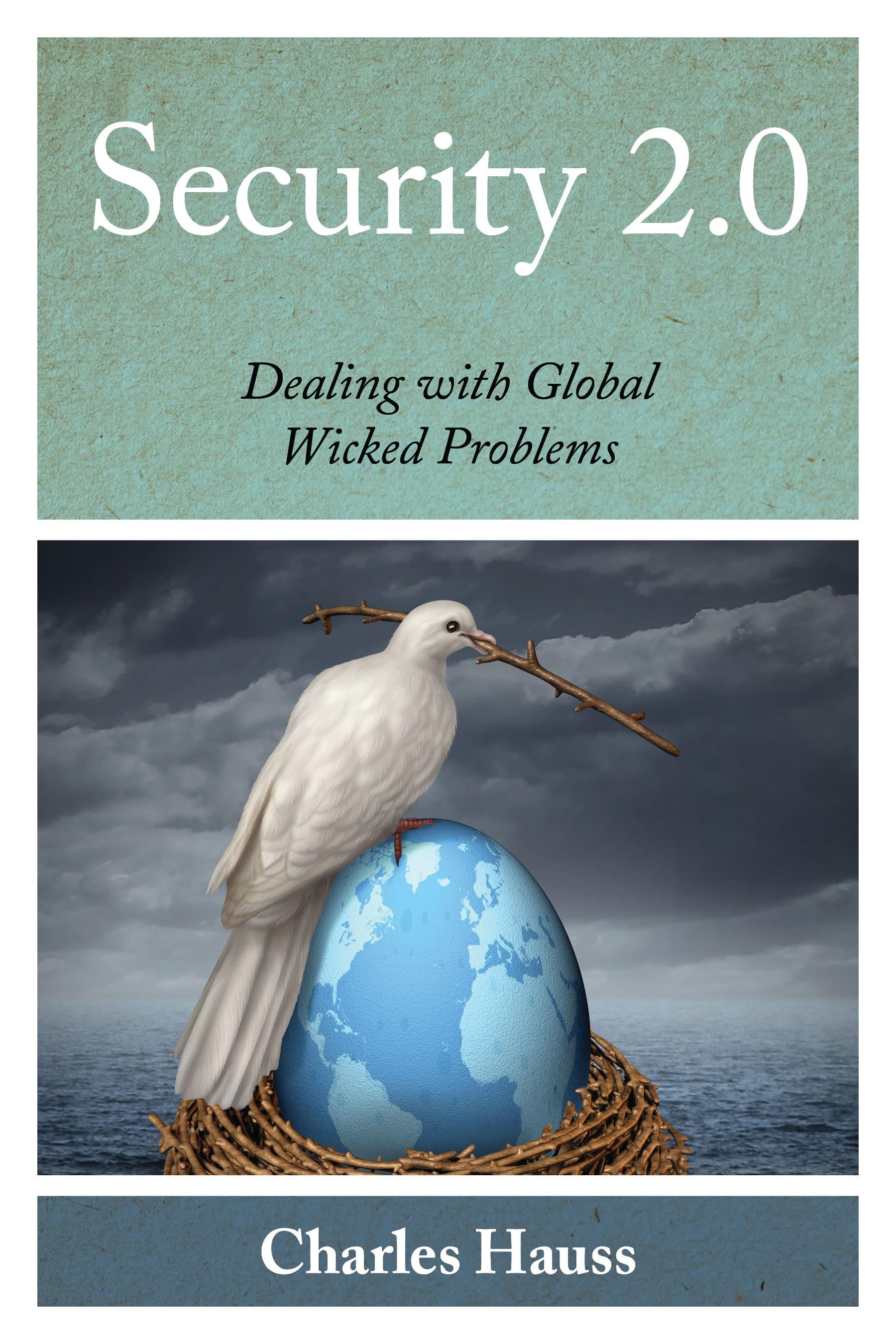
Today, international security issues are slowly being reconsidered through the lens of human security, which refers to a combination of political, economic, social, nutritional, environmental, physical health, and personal safety issues. When first mentioned in 1994, the concept of human security represented a significant first step in understanding that security dilemmas could no longer be seen as purely geopolitical phenomena that revolve around the nation-state.
This book explains the progress made toward human security since then and the steps that remain to be taken to achieve it fully. It begins by addressing how the nation-state is both the source and the solution of security problems in the world before demonstrating how the meaning of security itself is being reconsidered and traditional approaches are being challenged. Building on the concept of human security, the book looks at how we are slowly moving toward large-scale political and social change. It argues that it is time for a “security 2.0” approach, different from the traditional models of national security.
Thus Security 2.0 addresses new challenges and their political responses, pointing toward alternatives to what is referred to as “permanent war.” It highlights such themes as cooperation, the multi-dimensionality of security issues, and the continuing pressures towards democratization, global markets, and multilevel governance and how these contribute today to make a safer world. Further, it shows how environmental threats, global corporations, identity issues, and international regimes such as the EU, are also fostering a fundamental rethinking of the concept of security. Including a variety of perspectives, and written in a jargon-free, accessible manner, the work will provide students with new insights on conflict processes and international security.
This book explains the progress made toward human security since then and the steps that remain to be taken to achieve it fully. It begins by addressing how the nation-state is both the source and the solution of security problems in the world before demonstrating how the meaning of security itself is being reconsidered and traditional approaches are being challenged. Building on the concept of human security, the book looks at how we are slowly moving toward large-scale political and social change. It argues that it is time for a “security 2.0” approach, different from the traditional models of national security.
Thus Security 2.0 addresses new challenges and their political responses, pointing toward alternatives to what is referred to as “permanent war.” It highlights such themes as cooperation, the multi-dimensionality of security issues, and the continuing pressures towards democratization, global markets, and multilevel governance and how these contribute today to make a safer world. Further, it shows how environmental threats, global corporations, identity issues, and international regimes such as the EU, are also fostering a fundamental rethinking of the concept of security. Including a variety of perspectives, and written in a jargon-free, accessible manner, the work will provide students with new insights on conflict processes and international security.
Zahle einfach mit Karte, Klarna, Apple Pay oder Google Pay. Nicht zufrieden? Du hast immer ein 14-tägiges Widerrufsrecht. Lies mehr in unseren AGB. Hast du Fragen, schreib uns eine E-Mail an hello@memmo.org.
Memmo macht das Lernen einfacher – wo auch immer du bist. Bei uns findest du deine Kursbücher und smarte Lerntools an einem Ort: Zusammenfassungen, Quizzes, Podcasts und Lernkarten. Und Ted, dein Lernbuddy, beantwortet alles, was du wissen möchtest. Über 50.000 Studierende lernen bereits hier – gemacht, damit du schneller lernst und weniger Stress hast.