
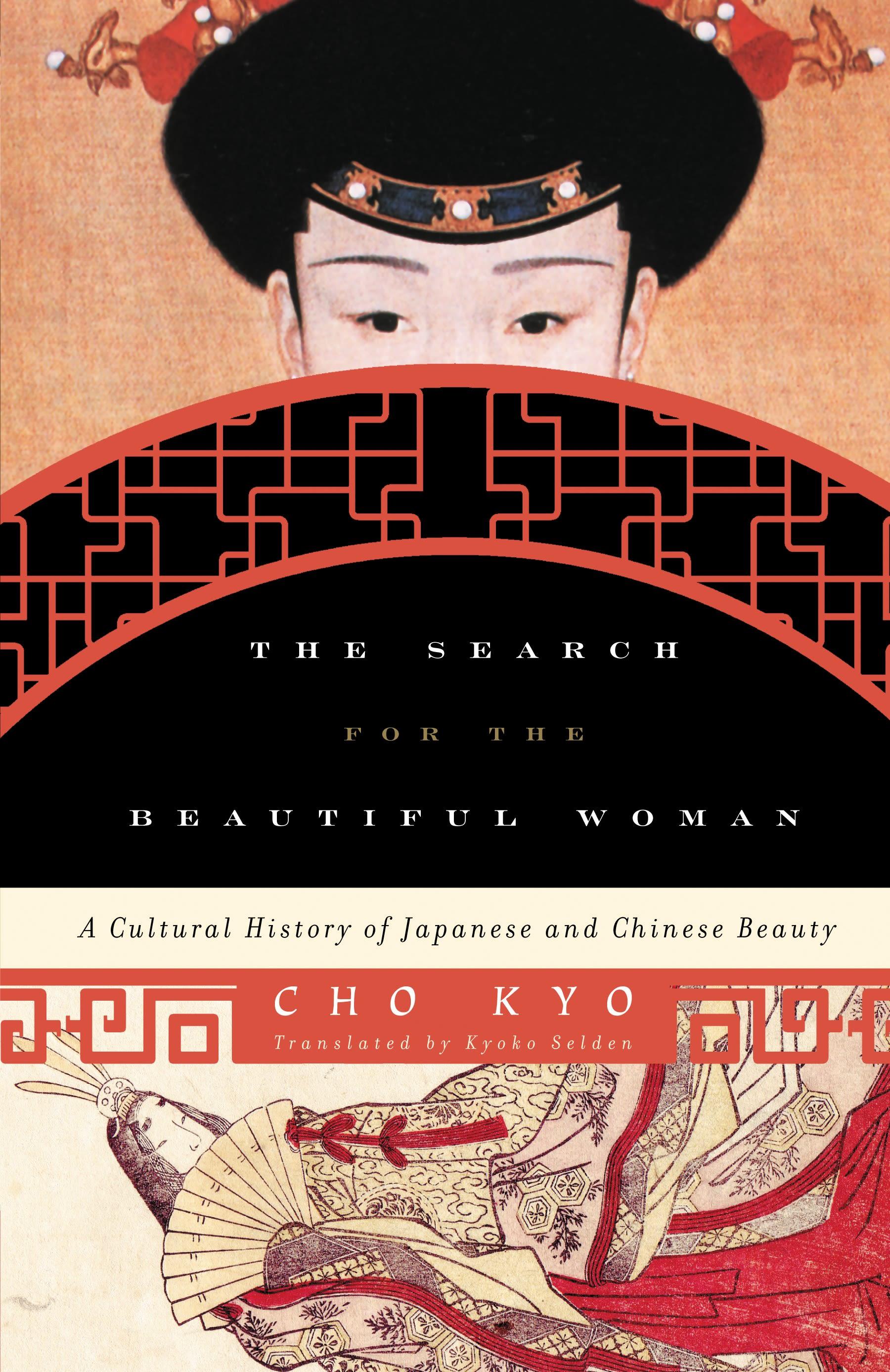
While a slender body is a prerequisite for beauty today, plump women were considered ideal in Tang Dynasty China and Heian-period Japan. Starting around the Southern Song period in China, bound feet symbolized the attractiveness of women. But in Japan, shaved eyebrows and blackened teeth long were markers of loveliness.
For centuries, Japanese culture was profoundly shaped by China, but in complex ways that are only now becoming apparent. In this first full comparative history of the subject, Cho Kyo explores changing standards of feminine beauty in China and Japan over the past two millennia. Drawing on a rich array of literary and artistic sources gathered over a decade of research, he considers which Chinese representations were rejected or accepted and transformed in Japan. He then traces the introduction of Western aesthetics into Japan starting in the Meiji era, leading to slowly developing but radical changes in representations of beauty. Through fiction, poetry, art, advertisements, and photographs, the author vividly demonstrates how criteria of beauty differ greatly by era and culture and how aesthetic sense changed in the course of extended cultural transformations that were influenced by both China and the West.
For centuries, Japanese culture was profoundly shaped by China, but in complex ways that are only now becoming apparent. In this first full comparative history of the subject, Cho Kyo explores changing standards of feminine beauty in China and Japan over the past two millennia. Drawing on a rich array of literary and artistic sources gathered over a decade of research, he considers which Chinese representations were rejected or accepted and transformed in Japan. He then traces the introduction of Western aesthetics into Japan starting in the Meiji era, leading to slowly developing but radical changes in representations of beauty. Through fiction, poetry, art, advertisements, and photographs, the author vividly demonstrates how criteria of beauty differ greatly by era and culture and how aesthetic sense changed in the course of extended cultural transformations that were influenced by both China and the West.
Zahle einfach mit Karte, Klarna, Apple Pay oder Google Pay. Nicht zufrieden? Du hast immer ein 14-tägiges Widerrufsrecht. Lies mehr in unseren AGB. Hast du Fragen, schreib uns eine E-Mail an hello@memmo.org.
Memmo macht das Lernen einfacher – wo auch immer du bist. Bei uns findest du deine Kursbücher und smarte Lerntools an einem Ort: Zusammenfassungen, Quizzes, Podcasts und Lernkarten. Und Ted, dein Lernbuddy, beantwortet alles, was du wissen möchtest. Über 50.000 Studierende lernen bereits hier – gemacht, damit du schneller lernst und weniger Stress hast.