
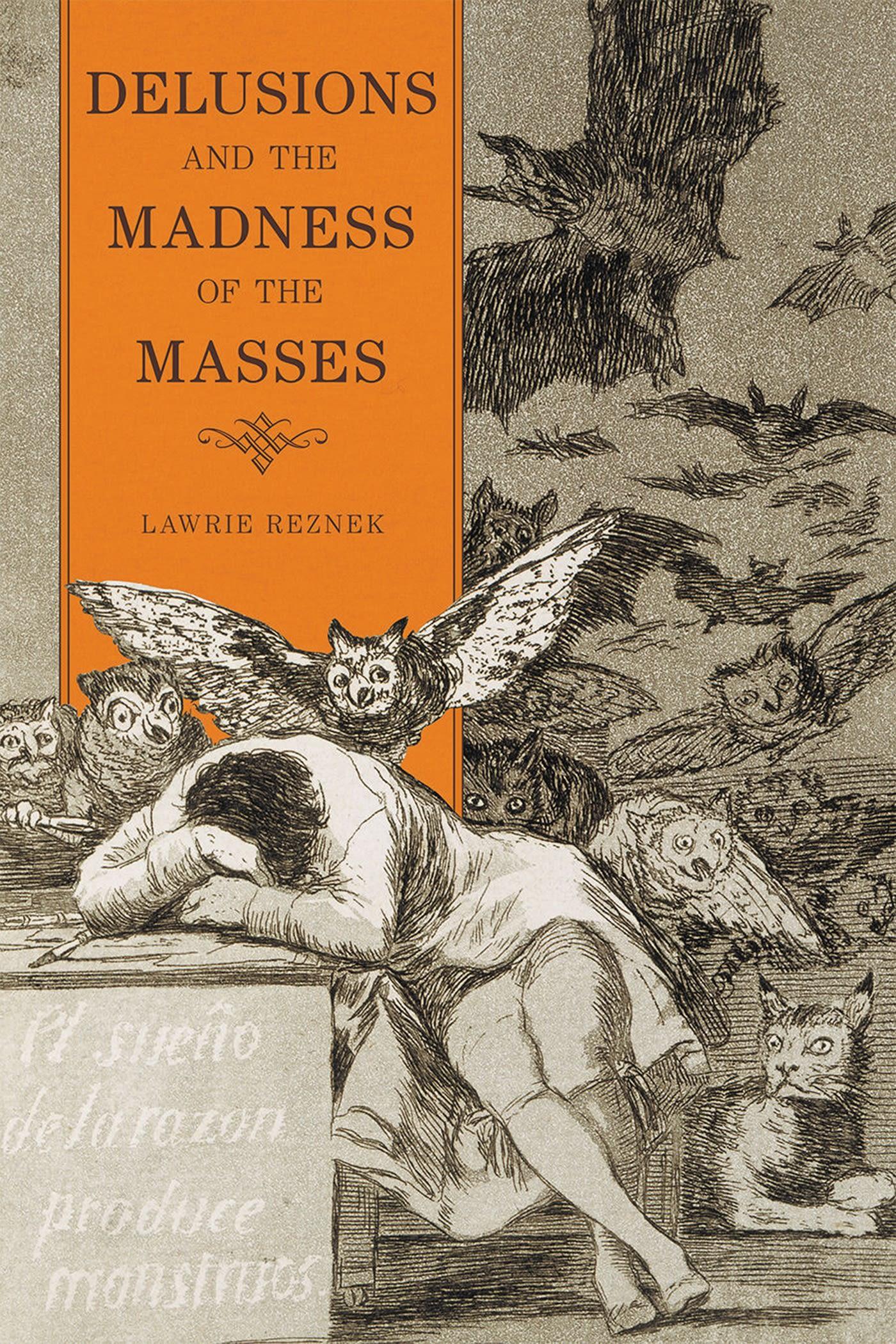
We all think that we can tell the difference between someone who is mad, or whom psychiatrists call psychotic, and someone who is sane. But can we really tell who is mad and who is not? Do we really know what madness is and how it should be recognized? Have psychiatrists made a sensible distinction between the patient who believes that aliens are beaming messages to him from a foreign planet, and the religious fanatic who believes God communicates to him via automatic writing? Is there a difference between the paranoid patient who believes that the FBI is after him, and the sizeable proportion of our normal population that believe that the US government orchestrated the 9-11 bombings? Here, Reznek hopes to shed light on the delusions of the masses-those delusions that are common to everyday people living so-called ordinary lives. He provides an understanding of madness and the psychological processes that drive us to adopt delusions, arguing that it is a mistake to view only schizophrenic patients as delusional, while excluding large groups of society from such an analysis. If we abandon the idea that whole communities cannot share a delusion, we can come to a better understanding about why the world is such a dangerous place.
Zahle einfach mit Karte, Klarna, Apple Pay oder Google Pay. Nicht zufrieden? Du hast immer ein 14-tägiges Widerrufsrecht. Lies mehr in unseren AGB. Hast du Fragen, schreib uns eine E-Mail an hello@memmo.org.
Memmo macht das Lernen einfacher – wo auch immer du bist. Bei uns findest du deine Kursbücher und smarte Lerntools an einem Ort: Zusammenfassungen, Quizzes, Podcasts und Lernkarten. Und Ted, dein Lernbuddy, beantwortet alles, was du wissen möchtest. Über 50.000 Studierende lernen bereits hier – gemacht, damit du schneller lernst und weniger Stress hast.