
Maurice Merleau-Ponty is widely known for his emphasis on embodied perceptual experience. This emphasis initially relied heavily on the positive results of Gestalt psychology in addressing issues in philosophical psychology and philosophy of mind from a phenomenological standpoint. Eventually he transformed this account in light of his investigations in linguistics, aesthetics, and the philosophy of history and institutions. Far less work has been done in addressing his evolving conception of philosophy and how this account influenced more general philosophical issues in epistemology, accounts of rationality, or its status as theoretical discourse. Merleau-Ponty's own contributions to these issues and, in particular, the theoretical status of the phenomenological account that resulted, have provoked varying responses. On the one hand, some commentators have understood his work to be a regional application of Husserl's foundational account of phenomenology. On the other hand, some commentators have questioned whether, in the final analysis, Merleau-Ponty was a phenomenologist at all.
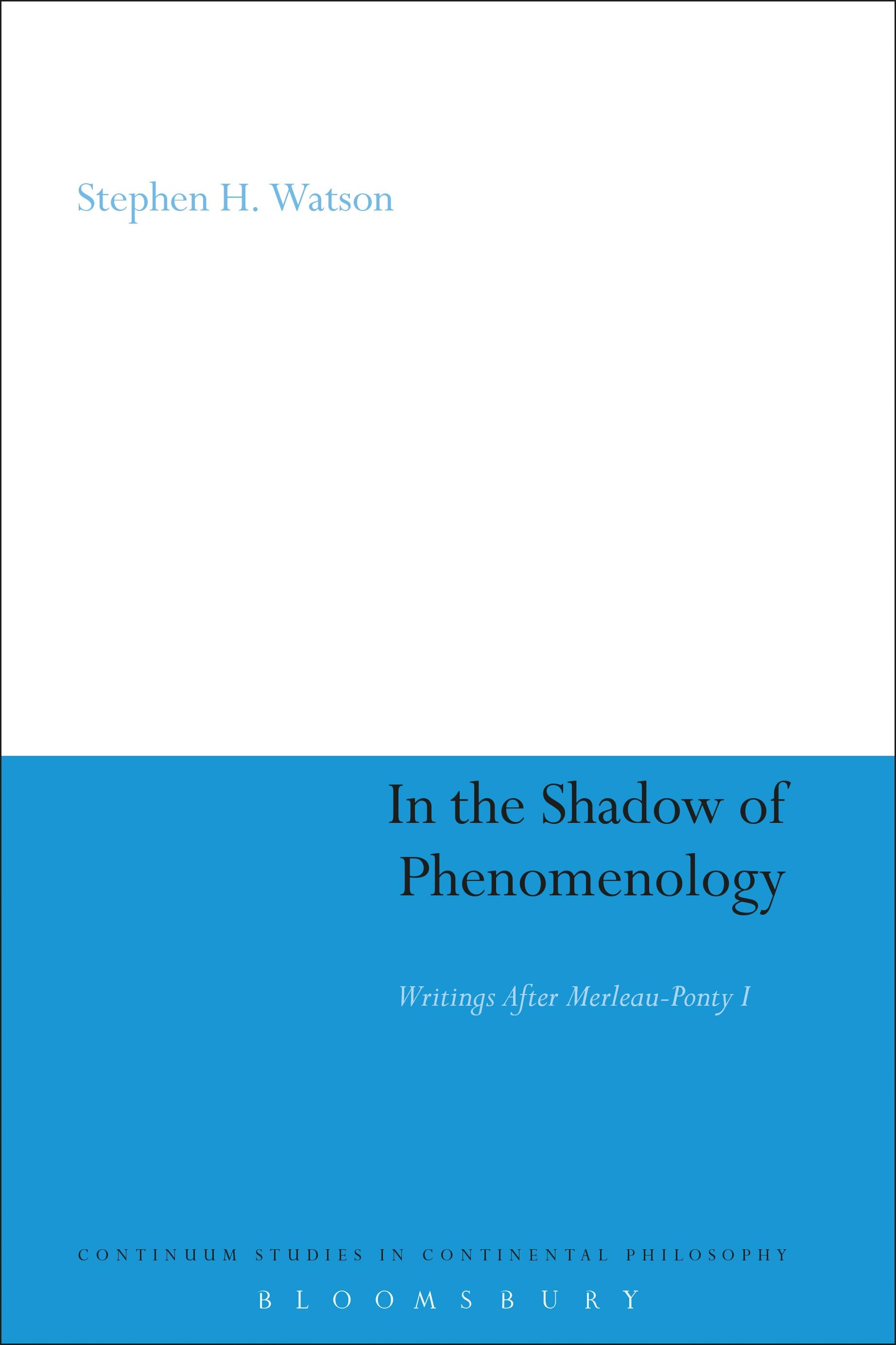
In In the Shadow of Phenomenology, Stephen H. Watson offers an in depth analysis of these responses and the complications and development of Merleau-Ponty's position.
In In the Shadow of Phenomenology, Stephen H. Watson offers an in depth analysis of these responses and the complications and development of Merleau-Ponty's position.
Zahle einfach mit Karte, Klarna, Apple Pay oder Google Pay. Nicht zufrieden? Du hast immer ein 14-tägiges Widerrufsrecht. Lies mehr in unseren AGB. Hast du Fragen, schreib uns eine E-Mail an hello@memmo.org.
Memmo macht das Lernen einfacher – wo auch immer du bist. Bei uns findest du deine Kursbücher und smarte Lerntools an einem Ort: Zusammenfassungen, Quizzes, Podcasts und Lernkarten. Und Ted, dein Lernbuddy, beantwortet alles, was du wissen möchtest. Über 50.000 Studierende lernen bereits hier – gemacht, damit du schneller lernst und weniger Stress hast.