
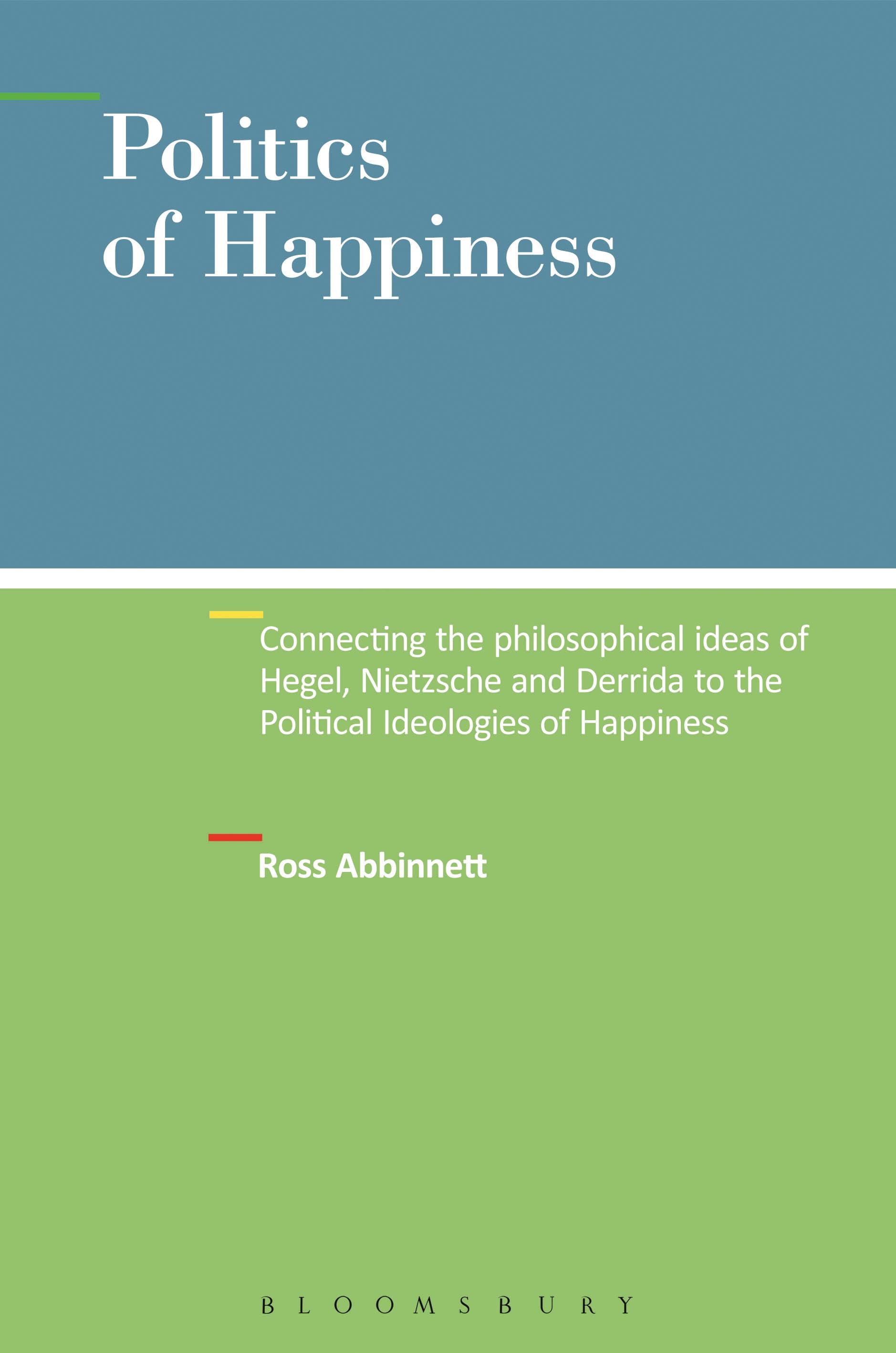
This unique and engaging study argues that the Western concern with achieving happiness should be understood in terms of its relationship to the political ideologies that have emerged since the Enlightenment. To do so, each chapter examines the place that happiness occupies in the construction of ideologies that have formed the political terrain of the West, including liberalism, postmodernism, socialism, fascism, and religion. Throughout, Hegel's phenomenology, Nietzsche's genealogy, and Derrida's account of deconstruction as reactions to modernization are used to show that the politics of happiness are always a clash of fundamental ideas of belonging, overcoming, and ethical responsibility. Stressing that the concept of happiness lies at the foundation of political movements, the book also looks at its place in the current global order, analyzing the emergence of such ideas as affective democracy that challenge the conventional notions of privatized, acquisitive happiness.
Written in a clear manner, the work will appeal to political theory students and researchers looking for a critical and historical account of contemporary debates about the nature of happiness and ideology.
Written in a clear manner, the work will appeal to political theory students and researchers looking for a critical and historical account of contemporary debates about the nature of happiness and ideology.
Zahle einfach mit Karte, Klarna, Apple Pay oder Google Pay. Nicht zufrieden? Du hast immer ein 14-tägiges Widerrufsrecht. Lies mehr in unseren AGB. Hast du Fragen, schreib uns eine E-Mail an hello@memmo.org.
Memmo macht das Lernen einfacher – wo auch immer du bist. Bei uns findest du deine Kursbücher und smarte Lerntools an einem Ort: Zusammenfassungen, Quizzes, Podcasts und Lernkarten. Und Ted, dein Lernbuddy, beantwortet alles, was du wissen möchtest. Über 50.000 Studierende lernen bereits hier – gemacht, damit du schneller lernst und weniger Stress hast.