
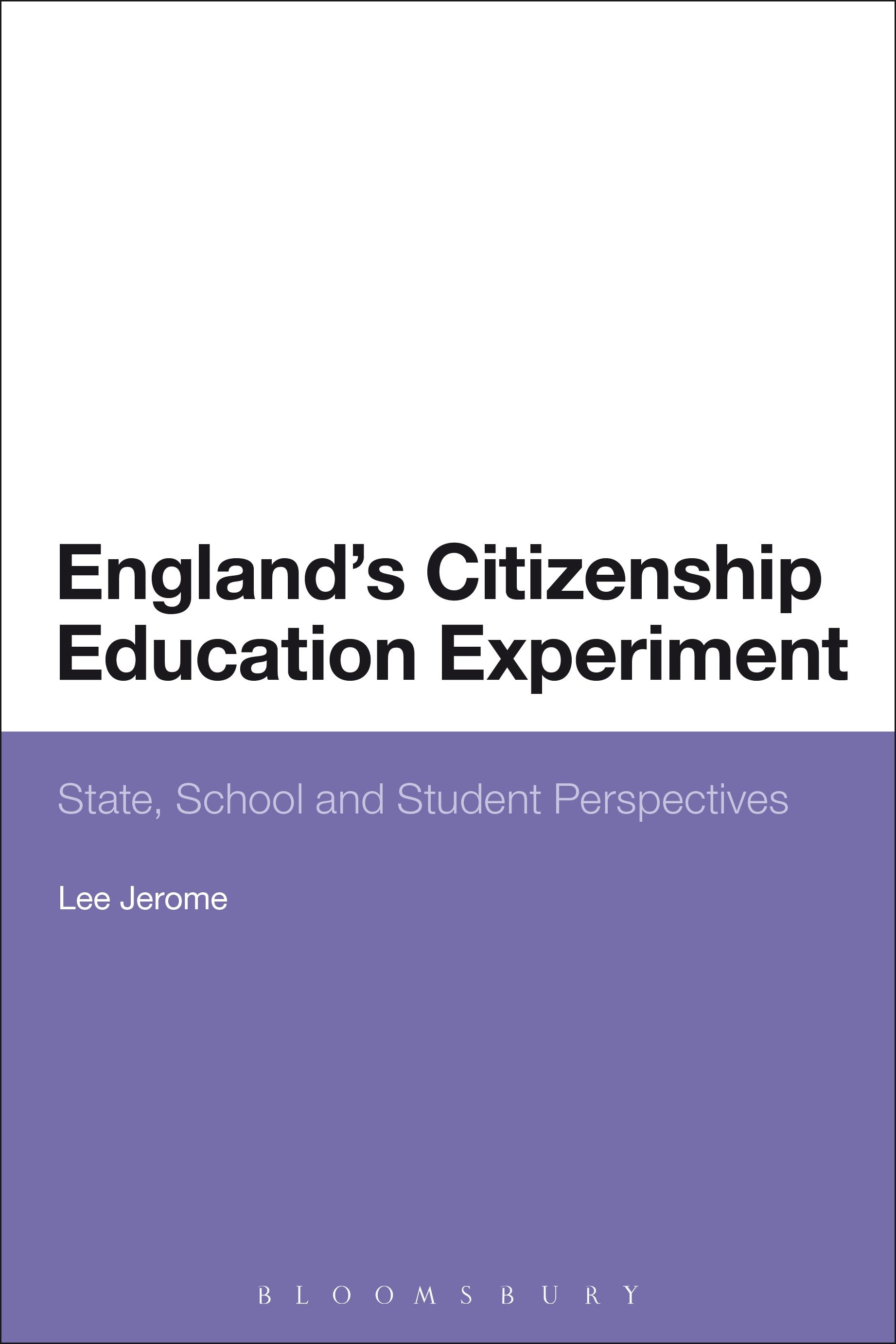
How do we prepare young people to understand the complex problems confronting our society and their place as citizens in shaping solutions?
Until 1997, the contribution of schools to these challenges was ad hoc and uncoordinated, but with the introduction of citizenship education into the National Curriculum in England a new political project began. Between 2002 and 2012, England has become a leading player in the debate about how to induct young people into democracy. Jerome explores the connections between the values promoted by the government and the forms of citizenship promoted through the National Curriculum and considers:
What did the politicians want the policy to achieve?
What kinds of citizens were teachers trying to create?
What kind of citizens do the young people feel that they have become?
To answer these questions this book considers a range of evidence from large scale national and international research projects to single school case studies, conducted with student co-researchers. The study illustrates the complexity of policy making and reveals the gap between curriculum policy and implementation.
Until 1997, the contribution of schools to these challenges was ad hoc and uncoordinated, but with the introduction of citizenship education into the National Curriculum in England a new political project began. Between 2002 and 2012, England has become a leading player in the debate about how to induct young people into democracy. Jerome explores the connections between the values promoted by the government and the forms of citizenship promoted through the National Curriculum and considers:
What did the politicians want the policy to achieve?
What kinds of citizens were teachers trying to create?
What kind of citizens do the young people feel that they have become?
To answer these questions this book considers a range of evidence from large scale national and international research projects to single school case studies, conducted with student co-researchers. The study illustrates the complexity of policy making and reveals the gap between curriculum policy and implementation.
Zahle einfach mit Karte, Klarna, Apple Pay oder Google Pay. Nicht zufrieden? Du hast immer ein 14-tägiges Widerrufsrecht. Lies mehr in unseren AGB. Hast du Fragen, schreib uns eine E-Mail an hello@memmo.org.
Memmo macht das Lernen einfacher – wo auch immer du bist. Bei uns findest du deine Kursbücher und smarte Lerntools an einem Ort: Zusammenfassungen, Quizzes, Podcasts und Lernkarten. Und Ted, dein Lernbuddy, beantwortet alles, was du wissen möchtest. Über 50.000 Studierende lernen bereits hier – gemacht, damit du schneller lernst und weniger Stress hast.