
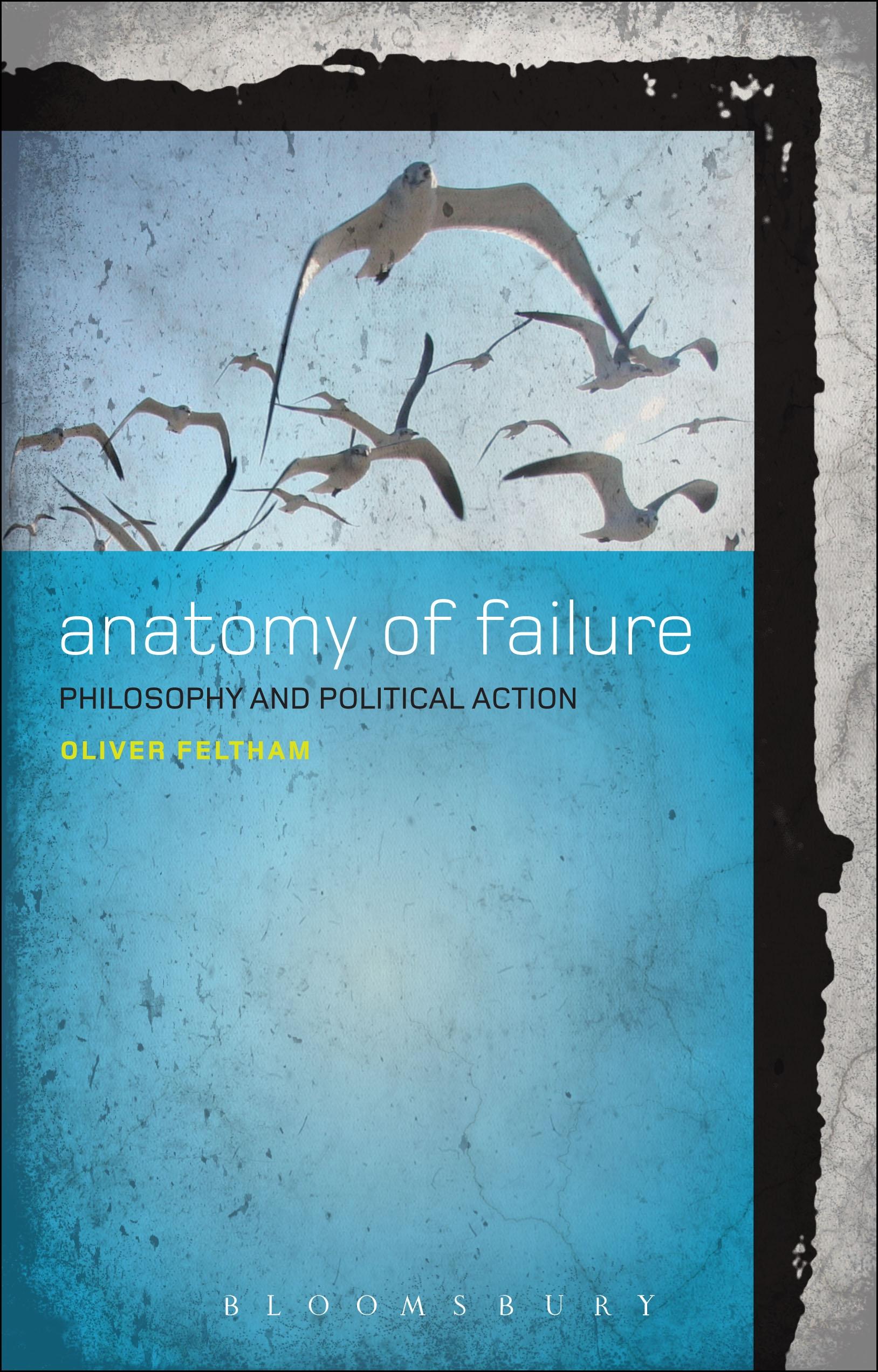
Modern liberalism begins in the forgetting of the English Revolution. Anatomy of Failure seeks to right that wrong by exploring the concept of political action, playing its history against its philosophy.
The 1640s are a period of institutional failure and political disaster: the country plunges into civil war, every agent is naked. Established procedures are thrown aside and the very grounds for action are fiercely debated and recast. Five queries emerge in the experience of the New Model Army, five queries that outline an anatomy of failure, isolating the points at which actors disagree, conflict flares up, and alliances dissolve: Who can act? On what grounds? Who is right about what is to be done? Why do we succeed or fail? If you and I split, were we ever united, and to what end? The application of these questions to the Leveller-agitator writings, and then to Thomas Hobbes and John Locke's philosophies, generates models of political action. No mere philosophical abstractions, the Hobbesian and Lockean models of sovereign and contractual action have dominated the very practice of politics for centuries. Today it is time to recuperate the Leveller-agitator model of joint action, a model unique in its adequacy to the threat of failure and in its vocation for building the common-wealth.
Anatomy of Failure is ideal for upper-level undergraduates and postgraduates taking courses in Contemporary Political Philosophy, Continental Philosophy, Modern European Philosophy, Contemporary French Philosophy, Critical Theory and Radical Political Thought.
The 1640s are a period of institutional failure and political disaster: the country plunges into civil war, every agent is naked. Established procedures are thrown aside and the very grounds for action are fiercely debated and recast. Five queries emerge in the experience of the New Model Army, five queries that outline an anatomy of failure, isolating the points at which actors disagree, conflict flares up, and alliances dissolve: Who can act? On what grounds? Who is right about what is to be done? Why do we succeed or fail? If you and I split, were we ever united, and to what end? The application of these questions to the Leveller-agitator writings, and then to Thomas Hobbes and John Locke's philosophies, generates models of political action. No mere philosophical abstractions, the Hobbesian and Lockean models of sovereign and contractual action have dominated the very practice of politics for centuries. Today it is time to recuperate the Leveller-agitator model of joint action, a model unique in its adequacy to the threat of failure and in its vocation for building the common-wealth.
Anatomy of Failure is ideal for upper-level undergraduates and postgraduates taking courses in Contemporary Political Philosophy, Continental Philosophy, Modern European Philosophy, Contemporary French Philosophy, Critical Theory and Radical Political Thought.
Zahle einfach mit Karte, Klarna, Apple Pay oder Google Pay. Nicht zufrieden? Du hast immer ein 14-tägiges Widerrufsrecht. Lies mehr in unseren AGB. Hast du Fragen, schreib uns eine E-Mail an hello@memmo.org.
Memmo macht das Lernen einfacher – wo auch immer du bist. Bei uns findest du deine Kursbücher und smarte Lerntools an einem Ort: Zusammenfassungen, Quizzes, Podcasts und Lernkarten. Und Ted, dein Lernbuddy, beantwortet alles, was du wissen möchtest. Über 50.000 Studierende lernen bereits hier – gemacht, damit du schneller lernst und weniger Stress hast.