
What is 'virtue'?
And how can we lead moral lives?
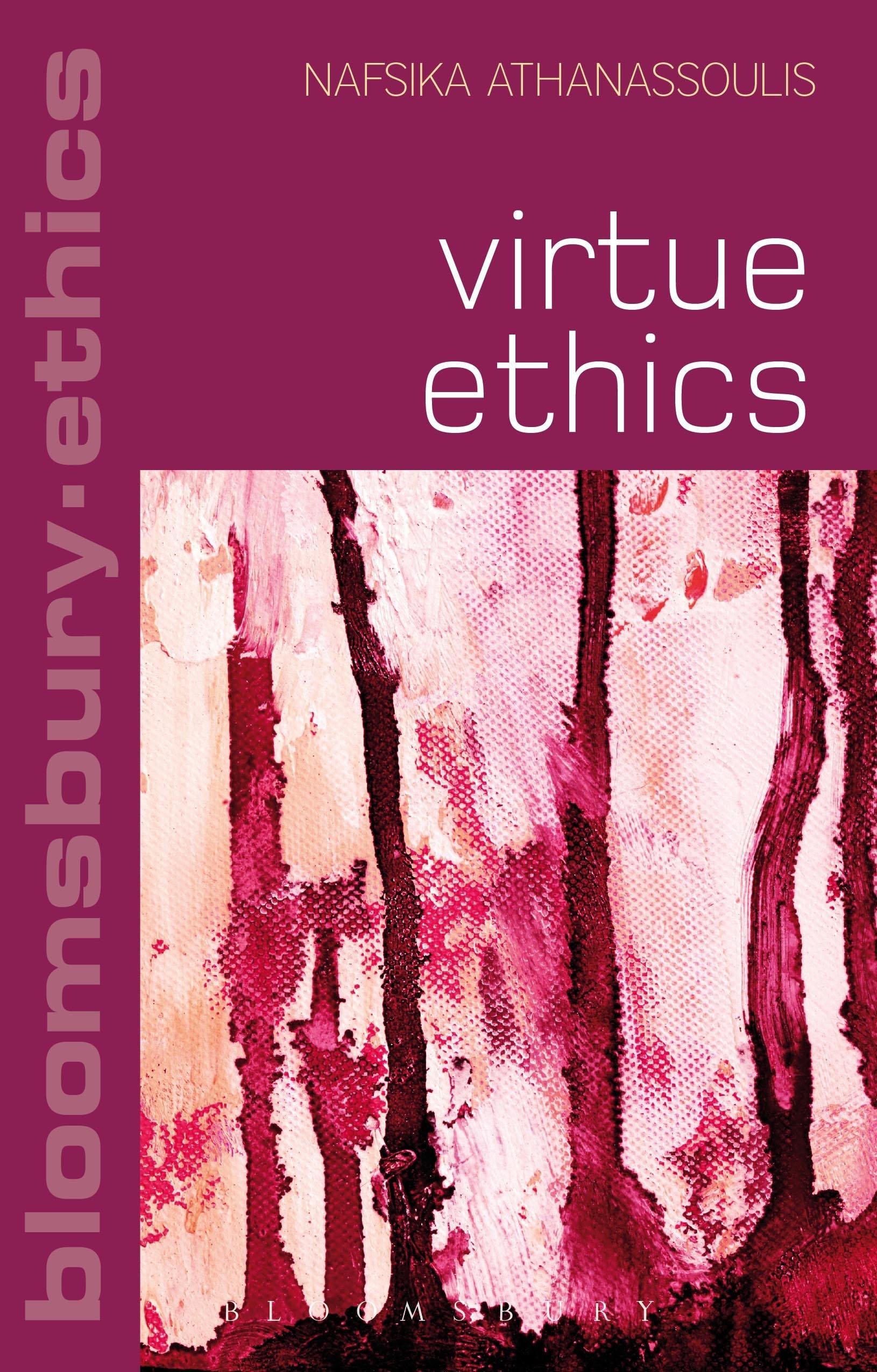
Exploring how contemporary moral philosophy has led to a revival of interest in the concepts of 'virtue', 'character' and 'flourishing', this is an accessible and critical introduction to virtue ethics. Comprising of three parts, the first part examines the work of key contemporary thinkers such as Elizabeth Anscombe and Bernard Williams in calling for a change of direction in moral philosophy and adopting a different approach to answering questions such as 'How should I live my life?'. The second part develops a detailed account of Aristotelian eudaimonistic virtue ethics, which considers the virtuous agent to be an ideal and highlights the importance of moral perception and practical wisdom. In the final part, Athanassoulis explores new challenges to virtue ethics from psychology, discusses the practical implications of educating for the virtues and finally considers the neo-Kantian response to virtue ethics.
Virtue Ethics also includes chapter summaries and guides to further reading throughout to help readers explore, understand and develop a critical perspective towards this important school of contemporary ethical thought.
And how can we lead moral lives?
Exploring how contemporary moral philosophy has led to a revival of interest in the concepts of 'virtue', 'character' and 'flourishing', this is an accessible and critical introduction to virtue ethics. Comprising of three parts, the first part examines the work of key contemporary thinkers such as Elizabeth Anscombe and Bernard Williams in calling for a change of direction in moral philosophy and adopting a different approach to answering questions such as 'How should I live my life?'. The second part develops a detailed account of Aristotelian eudaimonistic virtue ethics, which considers the virtuous agent to be an ideal and highlights the importance of moral perception and practical wisdom. In the final part, Athanassoulis explores new challenges to virtue ethics from psychology, discusses the practical implications of educating for the virtues and finally considers the neo-Kantian response to virtue ethics.
Virtue Ethics also includes chapter summaries and guides to further reading throughout to help readers explore, understand and develop a critical perspective towards this important school of contemporary ethical thought.
Zahle einfach mit Karte, Klarna, Apple Pay oder Google Pay. Nicht zufrieden? Du hast immer ein 14-tägiges Widerrufsrecht. Lies mehr in unseren AGB. Hast du Fragen, schreib uns eine E-Mail an hello@memmo.org.
Memmo macht das Lernen einfacher – wo auch immer du bist. Bei uns findest du deine Kursbücher und smarte Lerntools an einem Ort: Zusammenfassungen, Quizzes, Podcasts und Lernkarten. Und Ted, dein Lernbuddy, beantwortet alles, was du wissen möchtest. Über 50.000 Studierende lernen bereits hier – gemacht, damit du schneller lernst und weniger Stress hast.