
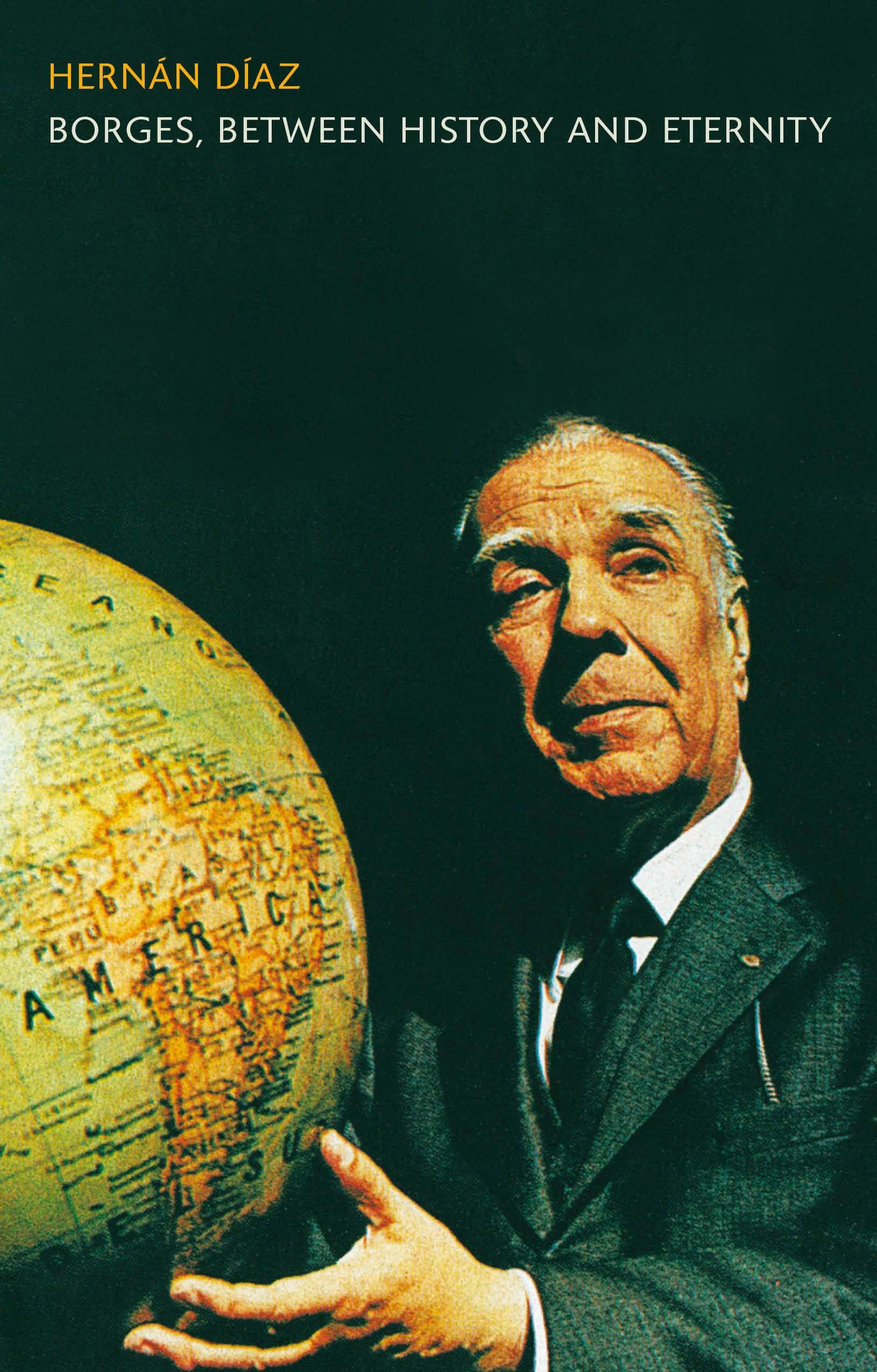
That Borges is one of the key figures in 20th-century literature is beyond debate. The reasons behind this claim, however, are a matter of contention. In Latin America he is read as someone who reorganized the canon, questioned literary hierarchies, and redefined the role of marginal literatures. On the other hand, in the rest of the world, most readers (and dictionaries) tend to identify the adjective "Borgesian" with intricate metaphysical puzzles and labyrinthine speculations of universal reach, completely detached from particular traditions. One reading is context-saturated, while the other is context-deprived. Oddly enough, these "institutional" and "transcendental" approaches have not been pitched against each other in a critical way. Borges, between History and Eternity brings these perspectives together by considering key aspects of Borges's work-the reciprocal determinations of politics, philosophy and literature; the simultaneously confining and emancipating nature of language; and the incipient program for a literature of the Americas.
Zahle einfach mit Karte, Klarna, Apple Pay oder Google Pay. Nicht zufrieden? Du hast immer ein 14-tägiges Widerrufsrecht. Lies mehr in unseren AGB. Hast du Fragen, schreib uns eine E-Mail an hello@memmo.org.
Memmo macht das Lernen einfacher – wo auch immer du bist. Bei uns findest du deine Kursbücher und smarte Lerntools an einem Ort: Zusammenfassungen, Quizzes, Podcasts und Lernkarten. Und Ted, dein Lernbuddy, beantwortet alles, was du wissen möchtest. Über 50.000 Studierende lernen bereits hier – gemacht, damit du schneller lernst und weniger Stress hast.