
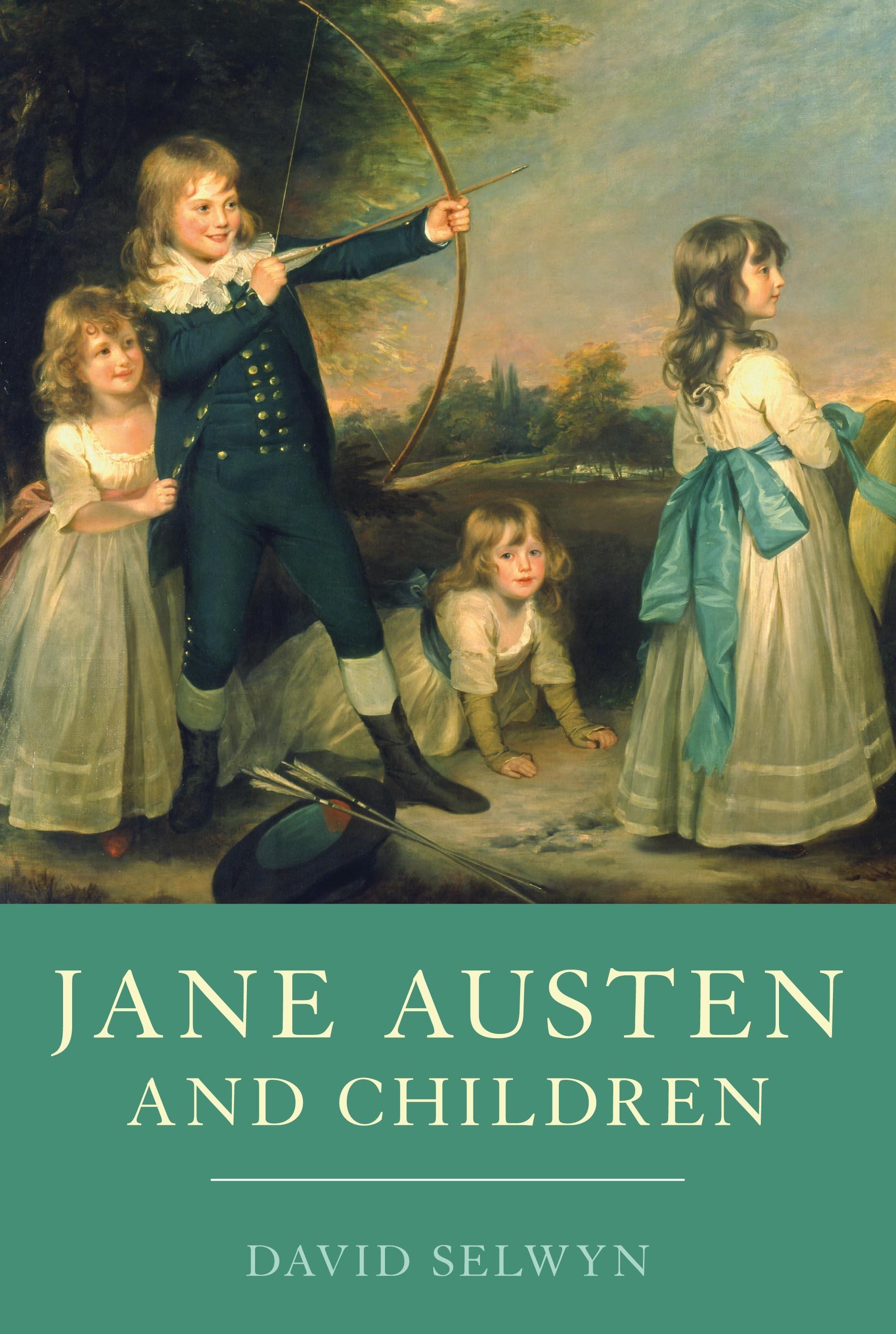
Jane Austen is not usually associated with children - especially since she had none of her own. But there are in fact more children in her novels than one might at first think. She herself was from a sizeable family, with numerous nephews and nieces. She was, by all accounts, good with children and popular with them. It was therefore natural for her to include them in her novels, even if sometimes offstage. This book, by one of the world's leading authorities on Austen, looks at both the real and the literary children in her life - children seen and unseen (and dead); children as models of behaviour, good and bad; as objects of affection, amusement, usefulness, pity, regret, jealousy, resentment; children in the way; children as excuses; children as heirs. In the process it casts fascinating light on a hitherto largely ignored aspect of her work and the age in which she lived.
Zahle einfach mit Karte, Klarna, Apple Pay oder Google Pay. Nicht zufrieden? Du hast immer ein 14-tägiges Widerrufsrecht. Lies mehr in unseren AGB. Hast du Fragen, schreib uns eine E-Mail an hello@memmo.org.
Memmo macht das Lernen einfacher – wo auch immer du bist. Bei uns findest du deine Kursbücher und smarte Lerntools an einem Ort: Zusammenfassungen, Quizzes, Podcasts und Lernkarten. Und Ted, dein Lernbuddy, beantwortet alles, was du wissen möchtest. Über 50.000 Studierende lernen bereits hier – gemacht, damit du schneller lernst und weniger Stress hast.