
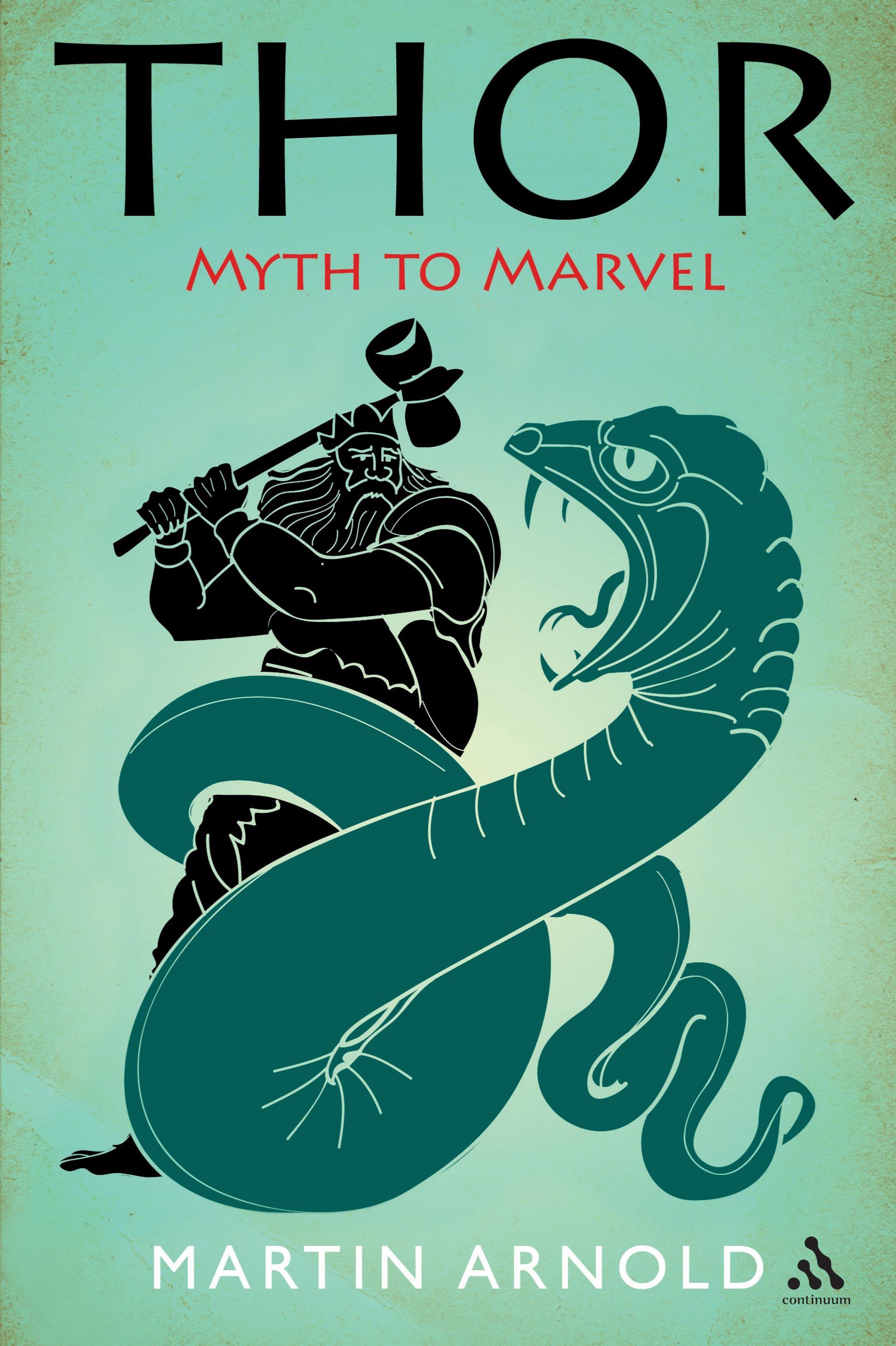
The myths of the Norse god Thor were preserved in the Icelandic Eddas, set down in the early Middle Ages. The bane of giants and trolls, Thor was worshipped as the last line of defence against all that threatened early Nordic society. Thor's significance persisted long after the Christian conversion and, in the mid-eighteenth century, Thor resumed a symbolic prominence among northern countries. Admired and adopted in Scandinavia and Germany, he became central to the rhetoric of national romanticism and to more belligerent assertions of nationalism. Resurrected in the latter part of the twentieth century in Marvel Magazine, Thor was further transformed into an articulation both of an anxious male sexuality and of a parallel nervousness regarding American foreign policy. Martin Arnold explores the extraordinary regard in which Thor has been held since medieval times and considers why and how his myth has been adopted, adapted and transformed.
Zahle einfach mit Karte, Klarna, Apple Pay oder Google Pay. Nicht zufrieden? Du hast immer ein 14-tägiges Widerrufsrecht. Lies mehr in unseren AGB. Hast du Fragen, schreib uns eine E-Mail an hello@memmo.org.
Memmo macht das Lernen einfacher – wo auch immer du bist. Bei uns findest du deine Kursbücher und smarte Lerntools an einem Ort: Zusammenfassungen, Quizzes, Podcasts und Lernkarten. Und Ted, dein Lernbuddy, beantwortet alles, was du wissen möchtest. Über 50.000 Studierende lernen bereits hier – gemacht, damit du schneller lernst und weniger Stress hast.