
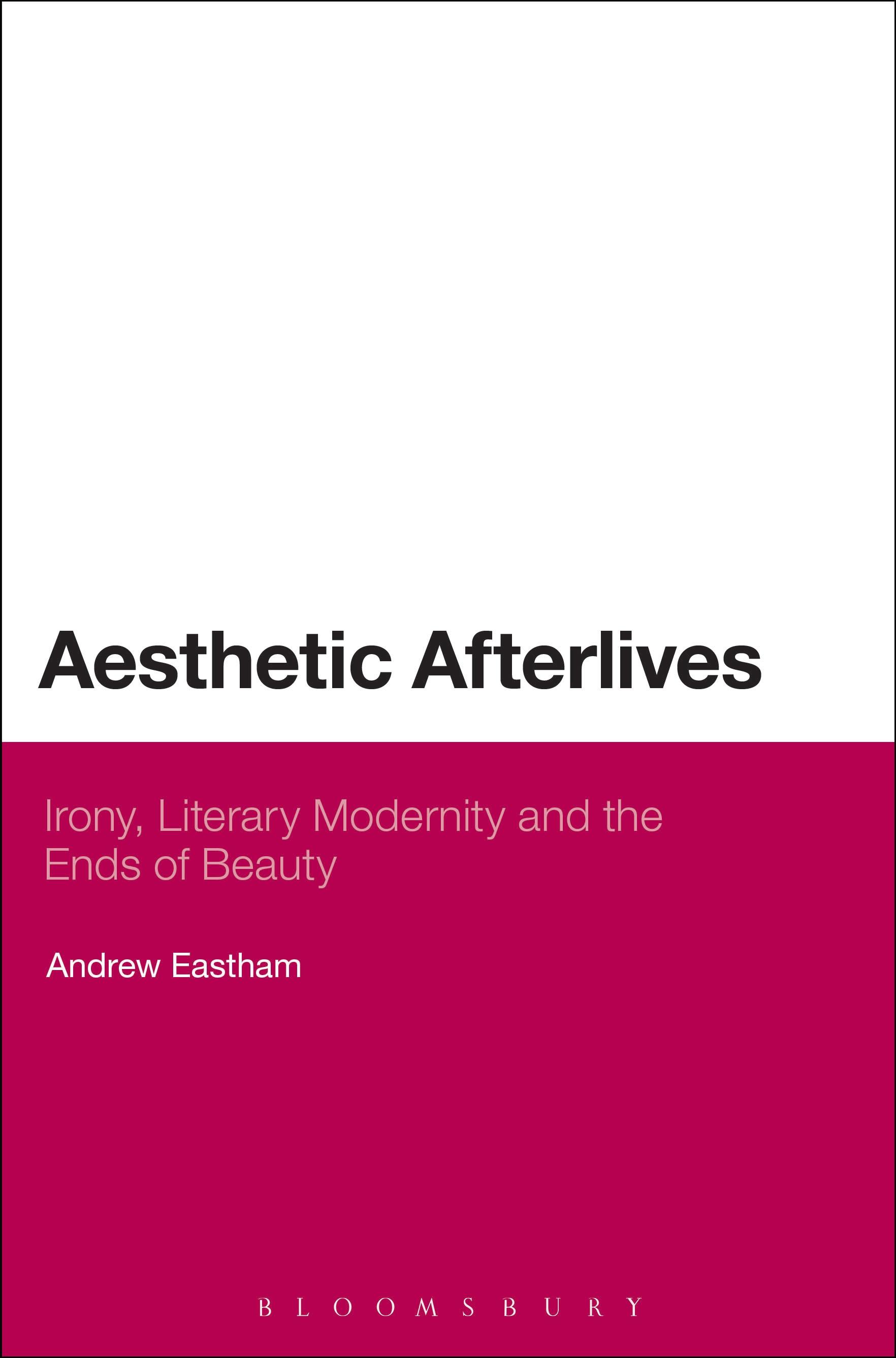
Since the development of British Aestheticism in the 1870s, the concept of irony has focused a series of anxieties which are integral to modern literary practice. Examining some of the most important debates in post-Romantic aesthetics through highly focused textual readings of authors from Walter Pater and Henry James to Samuel Beckett and Alan Hollinghurst, this study investigates the dialectical position of irony in Aestheticism and its twentieth-century afterlives.
Aesthetic Afterlives constructs a far-reaching theoretical narrative by positioning Victorian Aestheticism as the basis of Literary Modernity. Aestheticism's cultivation of irony and reflexive detachment was central to this legacy, but it was also the focus of its own self-critique. Anxieties about the concept and practice of irony persisted through Modernism, and have recently been positioned in Hollinghurst's work as a symptom of the political stasis within post-modern culture. Referring to the recent debates about the 'new aestheticism' and the politics of aesthetics, Eastham asks how a utopian Aestheticism can be reconstructed from the problematics of irony and aesthetic autonomy that haunted writers from Pater to Adorno.
Aesthetic Afterlives constructs a far-reaching theoretical narrative by positioning Victorian Aestheticism as the basis of Literary Modernity. Aestheticism's cultivation of irony and reflexive detachment was central to this legacy, but it was also the focus of its own self-critique. Anxieties about the concept and practice of irony persisted through Modernism, and have recently been positioned in Hollinghurst's work as a symptom of the political stasis within post-modern culture. Referring to the recent debates about the 'new aestheticism' and the politics of aesthetics, Eastham asks how a utopian Aestheticism can be reconstructed from the problematics of irony and aesthetic autonomy that haunted writers from Pater to Adorno.
Zahle einfach mit Karte, Klarna, Apple Pay oder Google Pay. Nicht zufrieden? Du hast immer ein 14-tägiges Widerrufsrecht. Lies mehr in unseren AGB. Hast du Fragen, schreib uns eine E-Mail an hello@memmo.org.
Memmo macht das Lernen einfacher – wo auch immer du bist. Bei uns findest du deine Kursbücher und smarte Lerntools an einem Ort: Zusammenfassungen, Quizzes, Podcasts und Lernkarten. Und Ted, dein Lernbuddy, beantwortet alles, was du wissen möchtest. Über 50.000 Studierende lernen bereits hier – gemacht, damit du schneller lernst und weniger Stress hast.