
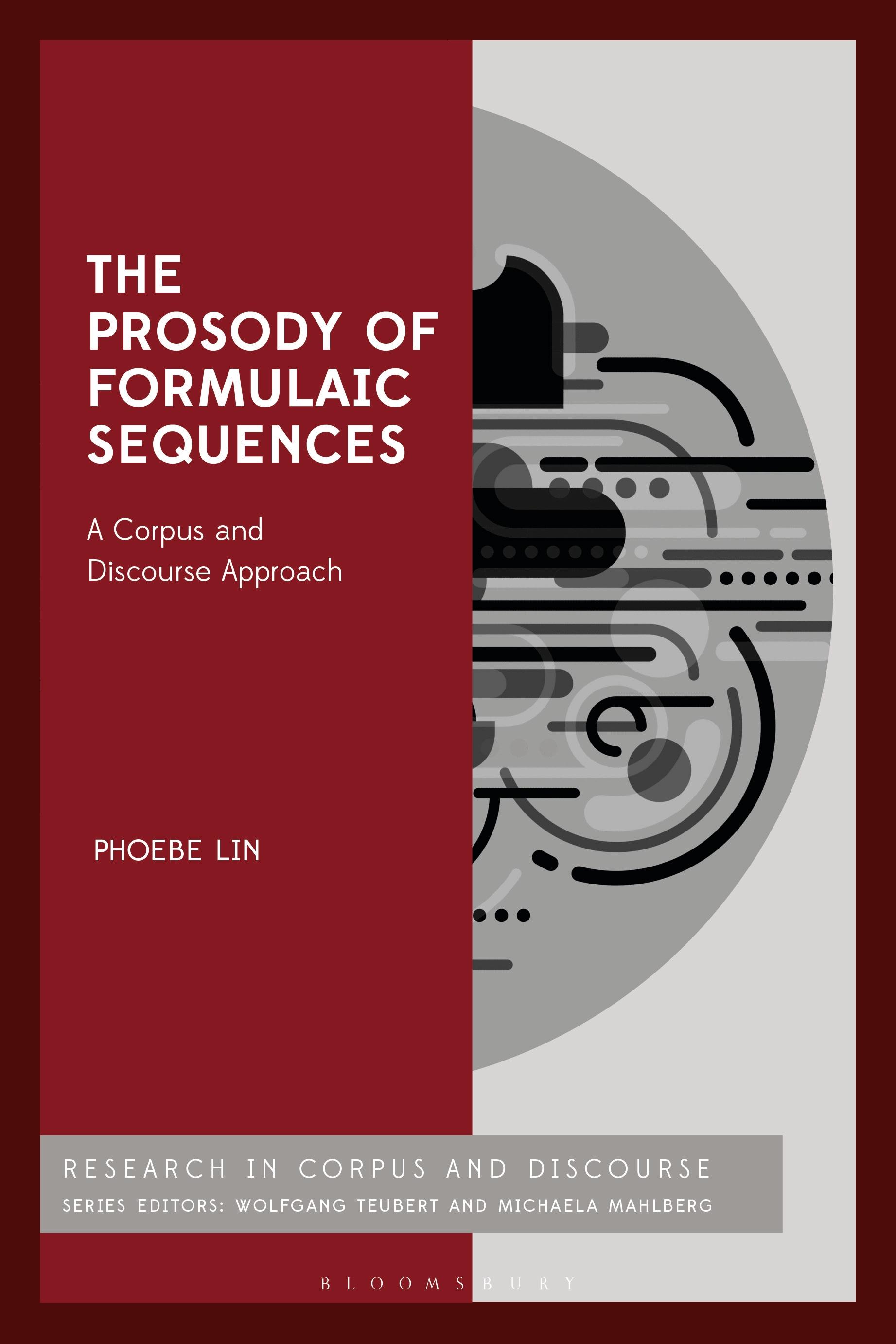
To apply the same approaches to analysing spoken and written formulaic language is problematic; to do so masks the fact that the contextual meaning of spoken formulaic language is encoded, to a large extent, in its prosody. In The Prosody of Formulaic Sequences, Phoebe Lin offers a new perspective on formulaic language, arguing that while past research often treats formulaic language as a lexical phenomenon, the phonological aspect of it is a more fundamental facet.
This book draws its conclusions from three original, empirical studies of spoken formulaic language, assessing intonation unit boundaries as well as features such as tempo and stress placement. Across all studies, Lin considers questions of methodology and conceptual framework.
The corpus-based descriptions of prosody outlined in this book not only deepen our understanding of the nature of formulaic language but have important implications for English Language Teaching and automatic speech synthesis.
This book draws its conclusions from three original, empirical studies of spoken formulaic language, assessing intonation unit boundaries as well as features such as tempo and stress placement. Across all studies, Lin considers questions of methodology and conceptual framework.
The corpus-based descriptions of prosody outlined in this book not only deepen our understanding of the nature of formulaic language but have important implications for English Language Teaching and automatic speech synthesis.
Zahle einfach mit Karte, Klarna, Apple Pay oder Google Pay. Nicht zufrieden? Du hast immer ein 14-tägiges Widerrufsrecht. Lies mehr in unseren AGB. Hast du Fragen, schreib uns eine E-Mail an hello@memmo.org.
Memmo macht das Lernen einfacher – wo auch immer du bist. Bei uns findest du deine Kursbücher und smarte Lerntools an einem Ort: Zusammenfassungen, Quizzes, Podcasts und Lernkarten. Und Ted, dein Lernbuddy, beantwortet alles, was du wissen möchtest. Über 50.000 Studierende lernen bereits hier – gemacht, damit du schneller lernst und weniger Stress hast.