
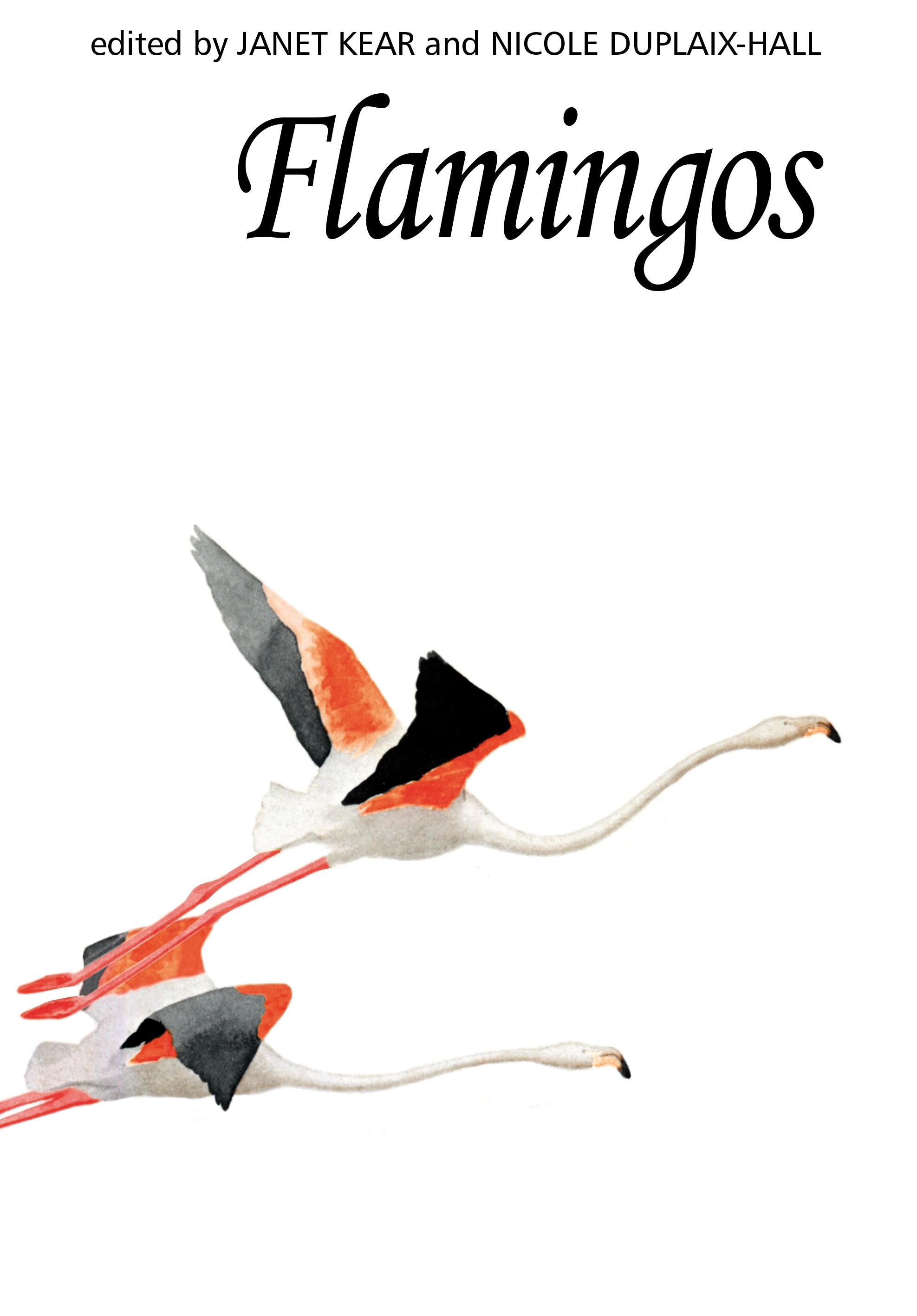
This collection of papers on the flamingos was one of the earliest Poyser monographs.
An international gathering of scientists from a variety of disciplines met at The Wildfowl Trust, Slimbridge, from 10-12 July 1973, to report on the world situation, in the wild and in captivity, of the six types of flamingos. The occasion was the International Flamingo Symposium, called to discuss problems encountered in flamingo conservation and research, and participants came from North and South America, Africa, the Middle East and Europe.
Flamingos' thirty-nine chapters derive from papers delivered at the Symposium. They form four sections: Populations, Ecology and Conservation; Flamingos in captivity; Ethology and Taxonomy; Flamingo Physiology - in addition there are appendices of biological and other information, a comprehensive bibliography,and an Introduction by Sir Peter Scott.
Flamingos, one of the oldest bird groups alive today, are also among the most popular and common of zoo animals, and part of the book is concerned with the problems of breeding and rearing the birds in captivity, and the stress and disease to which they can be prone. One of the aims of the Symposium and of the book is to disseminate the knowledge that will help improve captive conditions. Hopefully, greater success in breeding from captive birds may ensure that fewer of those born to the wild will be deprived of their freedom. Sir Peter Scott in his Introduction believes that within ten years zoos should be breeding all the flamingos they need.
Approximately half of the book is concerned with populations in the wild, with field studies and conservation, and there are reports from all but one of the major population areas. Jacket illustration by lan Willis.
An international gathering of scientists from a variety of disciplines met at The Wildfowl Trust, Slimbridge, from 10-12 July 1973, to report on the world situation, in the wild and in captivity, of the six types of flamingos. The occasion was the International Flamingo Symposium, called to discuss problems encountered in flamingo conservation and research, and participants came from North and South America, Africa, the Middle East and Europe.
Flamingos' thirty-nine chapters derive from papers delivered at the Symposium. They form four sections: Populations, Ecology and Conservation; Flamingos in captivity; Ethology and Taxonomy; Flamingo Physiology - in addition there are appendices of biological and other information, a comprehensive bibliography,and an Introduction by Sir Peter Scott.
Flamingos, one of the oldest bird groups alive today, are also among the most popular and common of zoo animals, and part of the book is concerned with the problems of breeding and rearing the birds in captivity, and the stress and disease to which they can be prone. One of the aims of the Symposium and of the book is to disseminate the knowledge that will help improve captive conditions. Hopefully, greater success in breeding from captive birds may ensure that fewer of those born to the wild will be deprived of their freedom. Sir Peter Scott in his Introduction believes that within ten years zoos should be breeding all the flamingos they need.
Approximately half of the book is concerned with populations in the wild, with field studies and conservation, and there are reports from all but one of the major population areas. Jacket illustration by lan Willis.
Zahle einfach mit Karte, Klarna, Apple Pay oder Google Pay. Nicht zufrieden? Du hast immer ein 14-tägiges Widerrufsrecht. Lies mehr in unseren AGB. Hast du Fragen, schreib uns eine E-Mail an hello@memmo.org.
Memmo macht das Lernen einfacher – wo auch immer du bist. Bei uns findest du deine Kursbücher und smarte Lerntools an einem Ort: Zusammenfassungen, Quizzes, Podcasts und Lernkarten. Und Ted, dein Lernbuddy, beantwortet alles, was du wissen möchtest. Über 50.000 Studierende lernen bereits hier – gemacht, damit du schneller lernst und weniger Stress hast.