
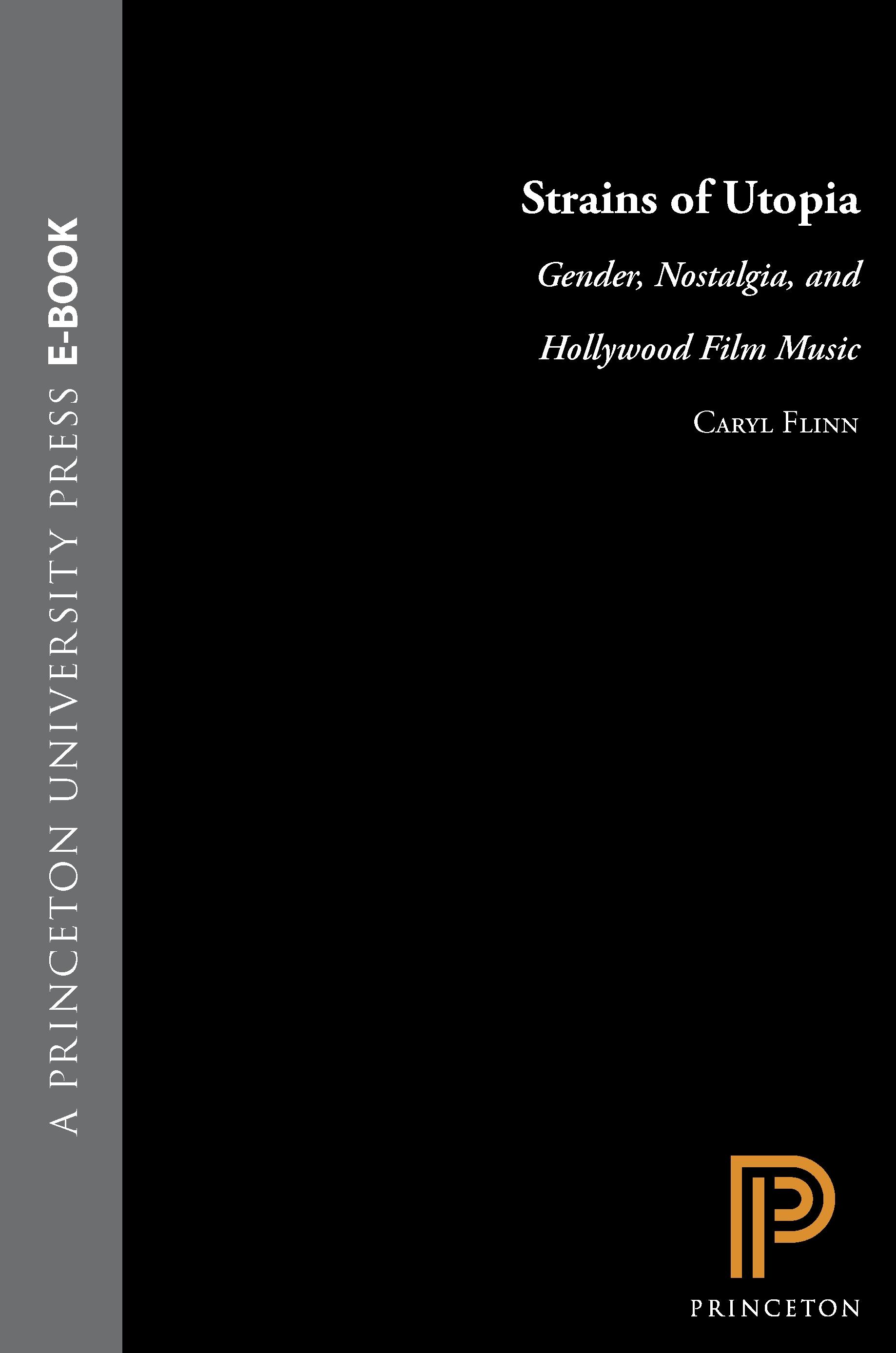
When Dmitri Tiomkin thanked Johannes Brahms, Johann Strauss, Richard Strauss, and Richard Wagner upon accepting the Academy Award for his score of The High and the Mighty in 1954, he was honoring a romantic style that had characterized Hollywood's golden age of film composition from the mid-1930s to the 1950s. Exploring elements of romanticism in film scores of composers ranging from Erich Korngold to Bernard Herrmann, Caryl Flinn argues that films tended to link music to the sense of an idealized, lost past. Just as the score of Gone with the Wind captured the grandeur of the antebellum South, others prompted flashbacks or suggested moments of emotional intensity and sensuality. Maintaining that many films treated this utopian impulse as a female trait, Flinn investigates the ways Hollywood genre films--particularly film noir and melodrama--sustained the connection between music and nostalgia, utopia, and femininity. The author situates Hollywood film scores within a romantic aesthetic ideology, noting compositional and theoretical affinities between the film composers and Wagner, with emphasis on authorship, creativity, and femininity. Pointing to the lasting impact of romanticism on film music, Flinn draws from poststructuralist, Marxist, feminist, and psychoanalytic criticism to offer fresh insights into the broad theme of music as an excessive utopian condition.
Zahle einfach mit Karte, Klarna, Apple Pay oder Google Pay. Nicht zufrieden? Du hast immer ein 14-tägiges Widerrufsrecht. Lies mehr in unseren AGB. Hast du Fragen, schreib uns eine E-Mail an hello@memmo.org.
Memmo macht das Lernen einfacher – wo auch immer du bist. Bei uns findest du deine Kursbücher und smarte Lerntools an einem Ort: Zusammenfassungen, Quizzes, Podcasts und Lernkarten. Und Ted, dein Lernbuddy, beantwortet alles, was du wissen möchtest. Über 50.000 Studierende lernen bereits hier – gemacht, damit du schneller lernst und weniger Stress hast.