
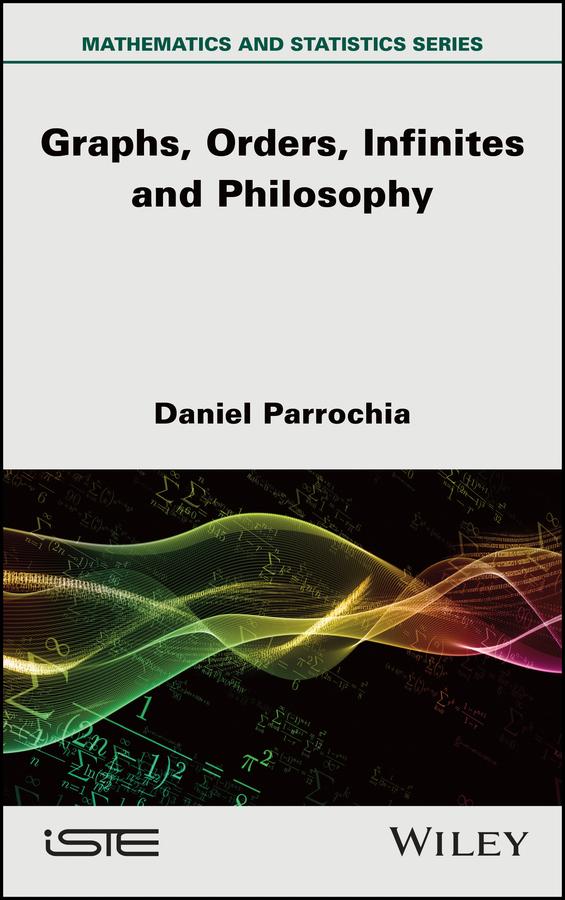
From Pythagoreans to Hegel, and beyond, this book gives a brief overview of the history of the notion of graphs and introduces the main concepts of graph theory in order to apply them to philosophy. In addition, this book presents how philosophers can use various mathematical notions of order. Throughout the book, philosophical operations and concepts are defined through examining questions relating the two kinds of known infinities – discrete and continuous – and how Woodin's approach can influence elements of philosophy.
We also examine how mathematics can help a philosopher to discover the elements of stability which will help to build an image of the world, even if various approaches (for example, negative theology) generally cannot be valid. Finally, we briefly consider the possibilities of weakening formal thought represented by fuzziness and neutrosophic graphs. In a nutshell, this book expresses the importance of graphs when representing ideas and communicating them clearly with others.
Zahle einfach mit Karte, Klarna, Apple Pay oder Google Pay. Nicht zufrieden? Du hast immer ein 14-tägiges Widerrufsrecht. Lies mehr in unseren AGB. Hast du Fragen, schreib uns eine E-Mail an hello@memmo.org.
Memmo macht das Lernen einfacher – wo auch immer du bist. Bei uns findest du deine Kursbücher und smarte Lerntools an einem Ort: Zusammenfassungen, Quizzes, Podcasts und Lernkarten. Und Ted, dein Lernbuddy, beantwortet alles, was du wissen möchtest. Über 50.000 Studierende lernen bereits hier – gemacht, damit du schneller lernst und weniger Stress hast.