
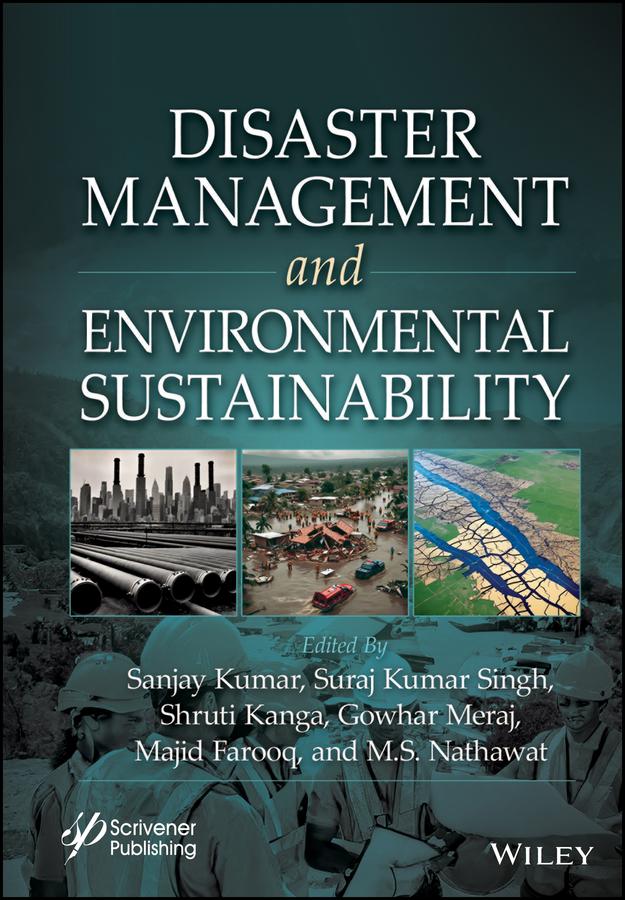
Overuse of natural resources results in environmental deterioration, lowering the effectiveness of important ecosystem services, such as the mitigation of floods and landslides. This leads to a greater risk of disaster and, in turn, natural hazards that can further deteriorate the environment. The deterioration of the capacity of the environment to meet social and ecological aims and demands is described as environmental degradation. This degradation and the concomitant reduction of ecosystems and their irreplaceable services (the benefits humans gain) are driving disaster risk. Changes to the environment can alter the frequency and intensity of risks, as well as our exposure and sensitivity to these hazards. Addressing these issues requires improvement of the capacity to perform short and medium-term operations in disaster management based on long-term environmental considerations. At the local level, minimizing environmental degradation and ecosystem loss involves awareness of the links between unsustainable development and poverty.
Communities are often driven to ruin their natural environment as a short-term coping mechanism for dealing with immediate issues; for instance, surviving a bad harvest by selling wood. Strategies for decreasing poverty by investing in environment-sensitive development should therefore support initiatives to minimize disaster risk and build resilience. There are common aspects in successful policies throughout various regions at the policy level, which extends to controlling climate change. Tools such as integrated water resources and coastal zone management, the removal of environmentally harmful subsidies, especially on fossil fuels and/or carbon taxes, renewable energy, marine protected areas, and cross-boundary biodiversity conservation, are all examples of policies used in more than one region but customized to each context. This scoping study finds and assesses available materials that relate environmental challenges and management with catastrophes and risk reduction activities in the Asia-Pacific area. This volume's analysis relies on case studies, examples, and the results of questionnaires and interviews of practitioners and organizations operating in the environment, disaster, and development domains.
Zahle einfach mit Karte, Klarna, Apple Pay oder Google Pay. Nicht zufrieden? Du hast immer ein 14-tägiges Widerrufsrecht. Lies mehr in unseren AGB. Hast du Fragen, schreib uns eine E-Mail an hello@memmo.org.
Memmo macht das Lernen einfacher – wo auch immer du bist. Bei uns findest du deine Kursbücher und smarte Lerntools an einem Ort: Zusammenfassungen, Quizzes, Podcasts und Lernkarten. Und Ted, dein Lernbuddy, beantwortet alles, was du wissen möchtest. Über 50.000 Studierende lernen bereits hier – gemacht, damit du schneller lernst und weniger Stress hast.