
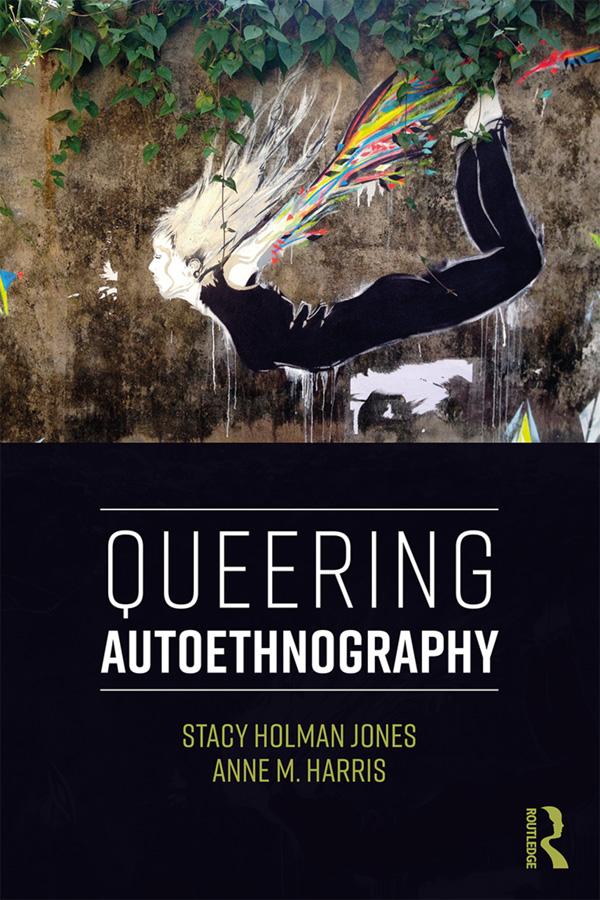
Queering Autoethnography articulates for the first time the possibilities and politics of queering autoethnography, both in theoretical terms and as an intervention into narratives and cultures of apology, shame and fear. Despite the so-called mainstreaming of same-sex relationships and trans* visibility, many within gender’s ‘liminal zone’ remain invisible and unrecognized, existing somewhere outside of heteronormative relationships and institutions. At the same time, the political and scholarly potential of autoethnography is expanding, particularly in its potential to evoke empathic and affective responses at a time of public numbness, a practice crucial to making scholarly research relevant to the work of global citizenship and crafting meaningful lives.
This volume considers flash points in contemporary scholarly and popular culture such as queer memorializing and mourning; unintelligibility and monstrosity; physical, digital and cultural transformations of queer lives and bodies; the power and danger wrought in the public assembly of queer people in a culture of massacre; and the promise of queer futurities in the contemporary moment. It also makes original theoretical contributions that include concepts such as massacre culture, queer terror, mundane annihilations, and activist affect. The authors write these ideas in action, joining theory and story as a contact zone for analysis, critique and change.
Zahle einfach mit Karte, Klarna, Apple Pay oder Google Pay. Nicht zufrieden? Du hast immer ein 14-tägiges Widerrufsrecht. Lies mehr in unseren AGB. Hast du Fragen, schreib uns eine E-Mail an hello@memmo.org.
Memmo macht das Lernen einfacher – wo auch immer du bist. Bei uns findest du deine Kursbücher und smarte Lerntools an einem Ort: Zusammenfassungen, Quizzes, Podcasts und Lernkarten. Und Ted, dein Lernbuddy, beantwortet alles, was du wissen möchtest. Über 50.000 Studierende lernen bereits hier – gemacht, damit du schneller lernst und weniger Stress hast.