
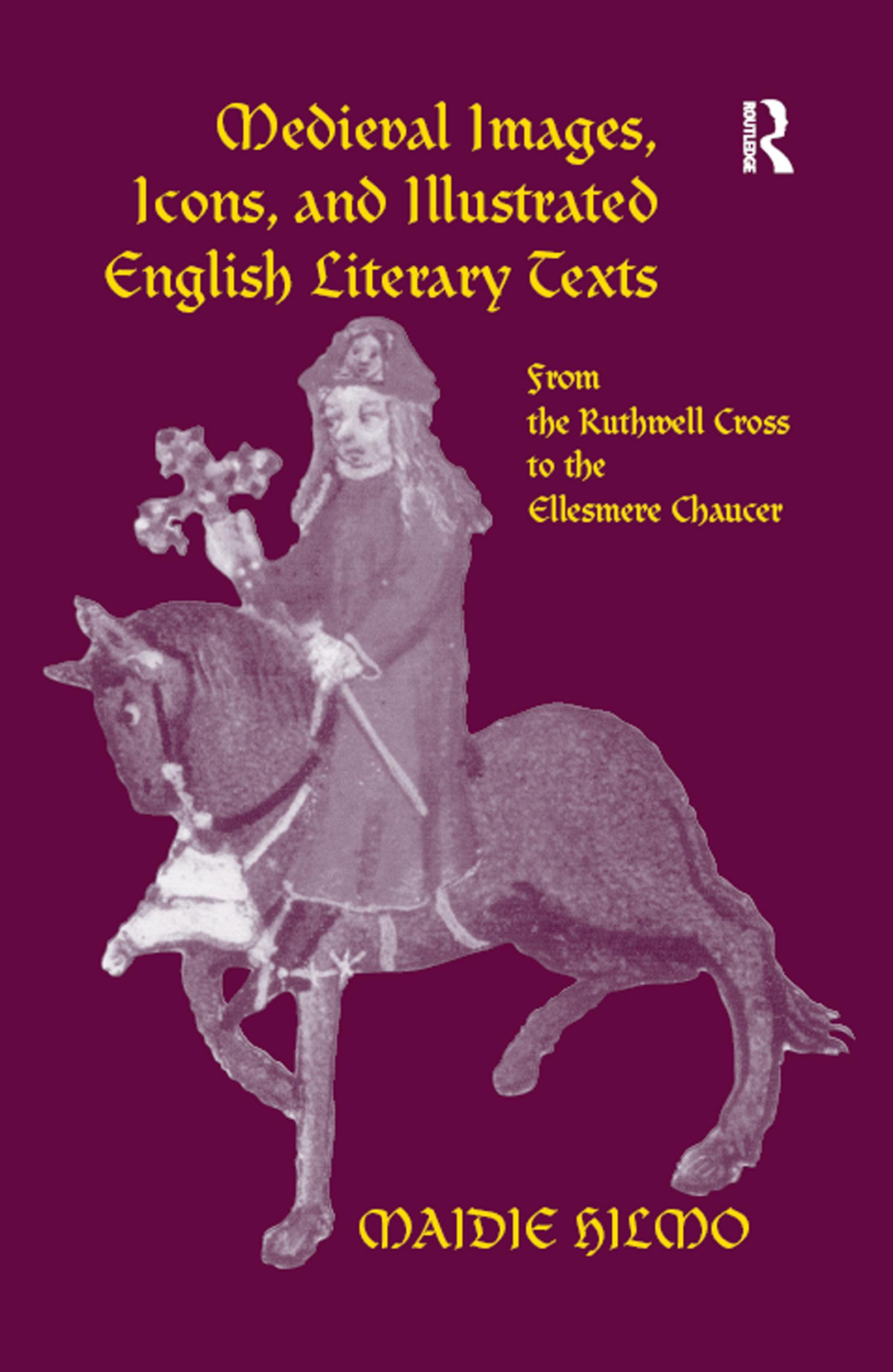
The function of images in the major illustrated English poetic works from the Anglo-Saxon period to the early fifteenth century is the primary concern of this book. Hilmo argues that the illustrations have not been sufficiently understood because modern judgments about their artistic merit and fidelity to the literary texts have got in the way of a historical understanding of their function. The author here proves that artists took their work seriously because images represented an invisible order of reality, that they were familiar with the vernacular poems, and that they were innovative in adapting existing iconographies to guide the ethical reading process of their audience. To provide a theoretical basis for the understanding of early monuments, artefacts, and texts, she examines patristic opinions on image-making, supported by the most authoritative modern sources. Fresh emphasis is given to the iconic nature of medieval images from the time of the iconoclastic debates of the 8th and 9th centuries to the renewed anxiety of image-making at the time of the Lollard attacks on images. She offers an important revision of the reading of the Ruthwell Cross, which changes radically the interpretation of the Cross as a whole. Among the manuscripts examined here are the Caedmon, Auchinleck, Vernon, and Pearl manuscripts. Hilmo's thesis is not confined to overtly religious texts and images, but deals also with historical writing, such as Layamon's Brut, and with poetry designed ostensibly for entertainment, such as the Canterbury Tales. This study convincingly demonstrates how the visual and the verbal interactively manifest the real "text" of each illustrated literary work. The artistic elements place vernacular works within a larger iconographic framework in which human composition is seen to relate to the activities of the divine Author and Artificer.Whether iconic or anti-iconic in stance, images, by their nature, were a potent means of influencing the way an English author's words, accessible in the vernacular, were thought about and understood within the context of the theology of the Incarnation that informed them and governed their aesthetic of spiritual function. This is the first study to cover the range of illustrated English poems from the Anglo-Saxon period to the early 15th century.
Seiten: 344
Kategorie: Litteraturvetenskap & Teori
e-ISBN: 9781351918558
Versandgewicht: 1.2 kg
Versand in: 1-2 Tage
Zahle einfach mit Karte, Klarna, Apple Pay oder Google Pay. Nicht zufrieden? Du hast immer ein 14-tägiges Widerrufsrecht. Lies mehr in unseren AGB. Hast du Fragen, schreib uns eine E-Mail an hello@memmo.org.
Memmo macht das Lernen einfacher – wo auch immer du bist. Bei uns findest du deine Kursbücher und smarte Lerntools an einem Ort: Zusammenfassungen, Quizzes, Podcasts und Lernkarten. Und Ted, dein Lernbuddy, beantwortet alles, was du wissen möchtest. Über 50.000 Studierende lernen bereits hier – gemacht, damit du schneller lernst und weniger Stress hast.
Das könnte dir auch gefallen
Buch kaufen0