
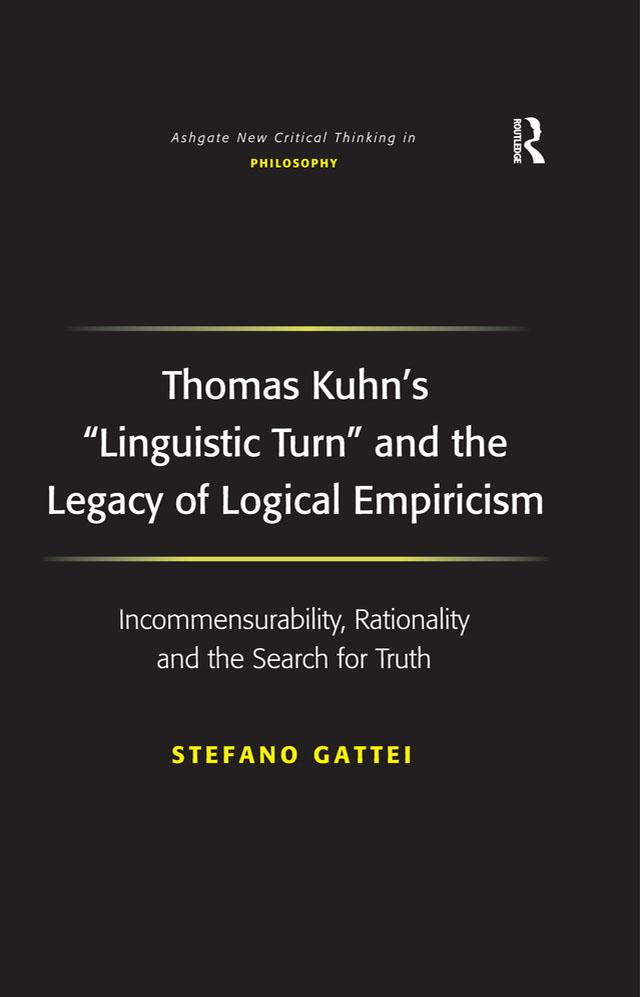
Presenting a critical history of the philosophy of science in the twentieth century, focusing on the transition from logical positivism in its first half to the "new philosophy of science" in its second, Stefano Gattei examines the influence of several key figures, but the main focus of the book are Thomas Kuhn and Karl Popper. Kuhn as the central figure of the new philosophy of science, and Popper as a key philosopher of the time who stands outside both traditions. Gattei makes two important claims about the development of the philosophy of science in the twentieth century; that Kuhn is much closer to positivism than many have supposed, failing to solve the crisis of neopostivism, and that Popper, in responding to the deeper crisis of foundationalism that spans the whole of the Western philosophical tradition, ultimately shows what is untenable in Kuhn's view. Gattei has written a very detailed and fine grained, yet accessible discussion making exceptionally interesting use of archive materials.
Zahle einfach mit Karte, Klarna, Apple Pay oder Google Pay. Nicht zufrieden? Du hast immer ein 14-tägiges Widerrufsrecht. Lies mehr in unseren AGB. Hast du Fragen, schreib uns eine E-Mail an hello@memmo.org.
Memmo macht das Lernen einfacher – wo auch immer du bist. Bei uns findest du deine Kursbücher und smarte Lerntools an einem Ort: Zusammenfassungen, Quizzes, Podcasts und Lernkarten. Und Ted, dein Lernbuddy, beantwortet alles, was du wissen möchtest. Über 50.000 Studierende lernen bereits hier – gemacht, damit du schneller lernst und weniger Stress hast.
Das könnte dir auch gefallen
Buch kaufen0