
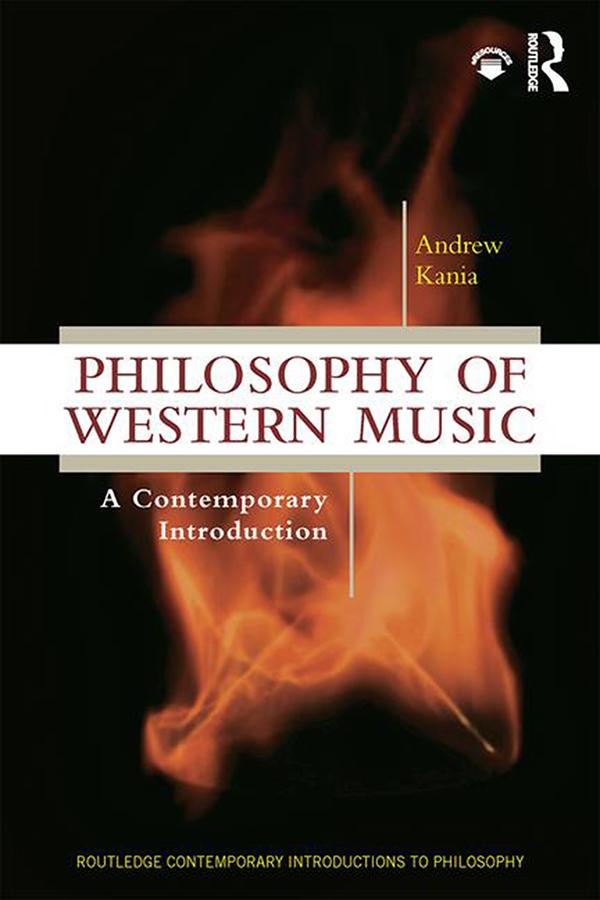
This is the first comprehensive book-length introduction to the philosophy of Western music that fully integrates consideration of popular music and hybrid musical forms, especially song. Its author, Andrew Kania, begins by asking whether Bob Dylan should even have been eligible for the Nobel Prize in Literature, given that he is a musician. This motivates a discussion of music as an artistic medium, and what philosophy has to contribute to our thinking about music. Chapters 2-5 investigate the most commonly defended sources of musical value: its emotional power, its form, and specifically musical features (such as pitch, rhythm, and harmony). In chapters 6-9, Kania explores issues arising from different musical practices, particularly work-performance (with a focus on classical music), improvisation (with a focus on jazz), and recording (with a focus on rock and pop). Chapter 10 examines the intersection of music and morality. The book ends with a consideration of what, ultimately, music is.
Key Features
- Uses popular-song examples throughout, but also discusses a range of musical traditions (notably, rock, pop, classical, and jazz)
- Explains both philosophical and musical terms when they are first introduced
- Provides publicly accessible Spotify playlists of the musical examples discussed in the book
- Each chapter begins with an overview and ends with questions for testing comprehension and stimulating further thought, along with suggestions for further reading
Zahle einfach mit Karte, Klarna, Apple Pay oder Google Pay. Nicht zufrieden? Du hast immer ein 14-tägiges Widerrufsrecht. Lies mehr in unseren AGB. Hast du Fragen, schreib uns eine E-Mail an hello@memmo.org.
Memmo macht das Lernen einfacher – wo auch immer du bist. Bei uns findest du deine Kursbücher und smarte Lerntools an einem Ort: Zusammenfassungen, Quizzes, Podcasts und Lernkarten. Und Ted, dein Lernbuddy, beantwortet alles, was du wissen möchtest. Über 50.000 Studierende lernen bereits hier – gemacht, damit du schneller lernst und weniger Stress hast.