
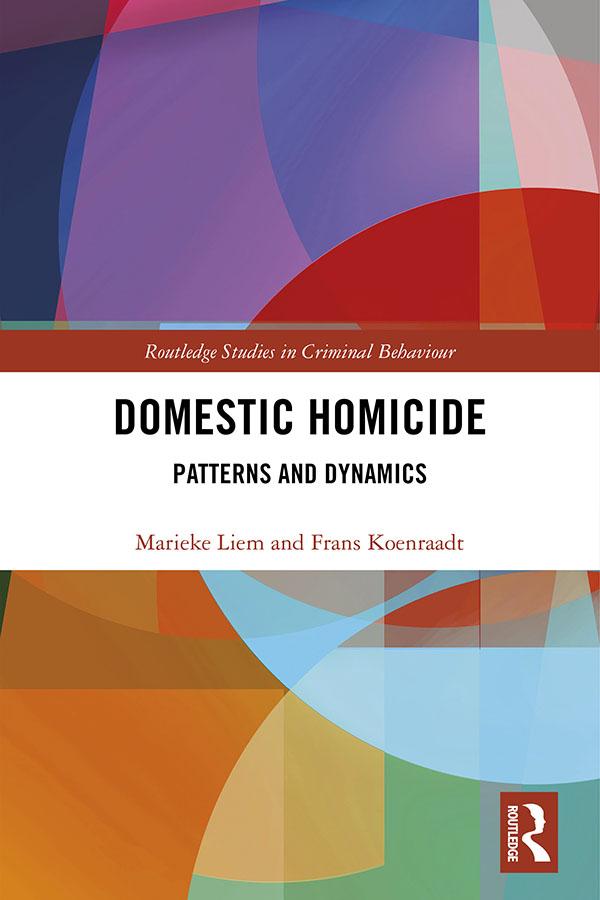
The literature on domestic violence will often treat homicide as its most extreme outcome. The reality is more nuanced, with many domestic homicides occurring within a history of abusive behaviour. This book offers a much-needed synthesis of the literature on domestic homicide, covering its history; the theories supporting it; its various forms such as filicide, intimate partner homicide, parricide, siblicide and familicide; and its prevention.
The authors explore the predominant theories that have been used to explain domestic homicides in general, as well as specific subtypes of domestic homicide. Each chapter then takes a chronological approach in examining relationships between victim and perpetrator in the most prominent types of domestic homicide. Drawing on the empirical evidence, it offers a unique insight into the dynamics of domestic homicides, and debunks some of the common stereotypes surrounding it. The book concludes with an overview of the main areas of prevention of domestic homicide and offers recommendations for professionals working in domestic violence services, medical practitioners and mental health services.
This book will be of interest to criminologists, psychiatrists, psychologists and sociologists alike, and will be key reading for a range of courses on violence, abuse and aggression.
Zahle einfach mit Karte, Klarna, Apple Pay oder Google Pay. Nicht zufrieden? Du hast immer ein 14-tägiges Widerrufsrecht. Lies mehr in unseren AGB. Hast du Fragen, schreib uns eine E-Mail an hello@memmo.org.
Memmo macht das Lernen einfacher – wo auch immer du bist. Bei uns findest du deine Kursbücher und smarte Lerntools an einem Ort: Zusammenfassungen, Quizzes, Podcasts und Lernkarten. Und Ted, dein Lernbuddy, beantwortet alles, was du wissen möchtest. Über 50.000 Studierende lernen bereits hier – gemacht, damit du schneller lernst und weniger Stress hast.