
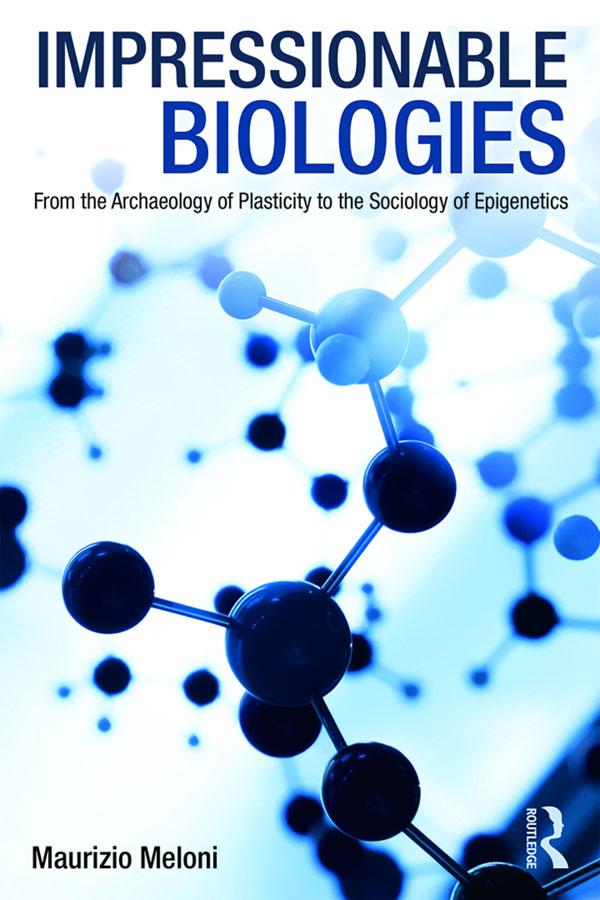
During the twentieth century, genes were considered the controlling force of life processes, and the transfer of DNA the definitive explanation for biological heredity. Such views shaped the politics of human heredity: in the eugenic era, controlling heredity meant intervening in the distribution of "good" and "bad" genes. However, since the turn of the twenty-first century, this centrality of genes has been challenged by a number of "postgenomic" disciplines. The rise of epigenetics in particular signals a shift from notions of biological fixedness to ideas of plasticity and "impressionability" of biological material.
This book investigates a long history of the beliefs about the plasticity of human biology, starting with ancient medicine, and analyses the biopolitical techniques required to govern such permeability. It looks at the emergence of the modern body of biomedicine as a necessary displacement or possibly reconfiguration of earlier plastic views. Finally, it analyses the returning of plasticity to contemporary postgenomic views and argues that postgenomic plasticity is neither a modernistic plasticity of instrumental management of the body nor a postmodernist celebration of potentialities. It is instead a plasticity that disrupts clear boundaries between openness and determination, individual and community, with important implications for notions of risk, responsibility and intervention.
Zahle einfach mit Karte, Klarna, Apple Pay oder Google Pay. Nicht zufrieden? Du hast immer ein 14-tägiges Widerrufsrecht. Lies mehr in unseren AGB. Hast du Fragen, schreib uns eine E-Mail an hello@memmo.org.
Memmo macht das Lernen einfacher – wo auch immer du bist. Bei uns findest du deine Kursbücher und smarte Lerntools an einem Ort: Zusammenfassungen, Quizzes, Podcasts und Lernkarten. Und Ted, dein Lernbuddy, beantwortet alles, was du wissen möchtest. Über 50.000 Studierende lernen bereits hier – gemacht, damit du schneller lernst und weniger Stress hast.