
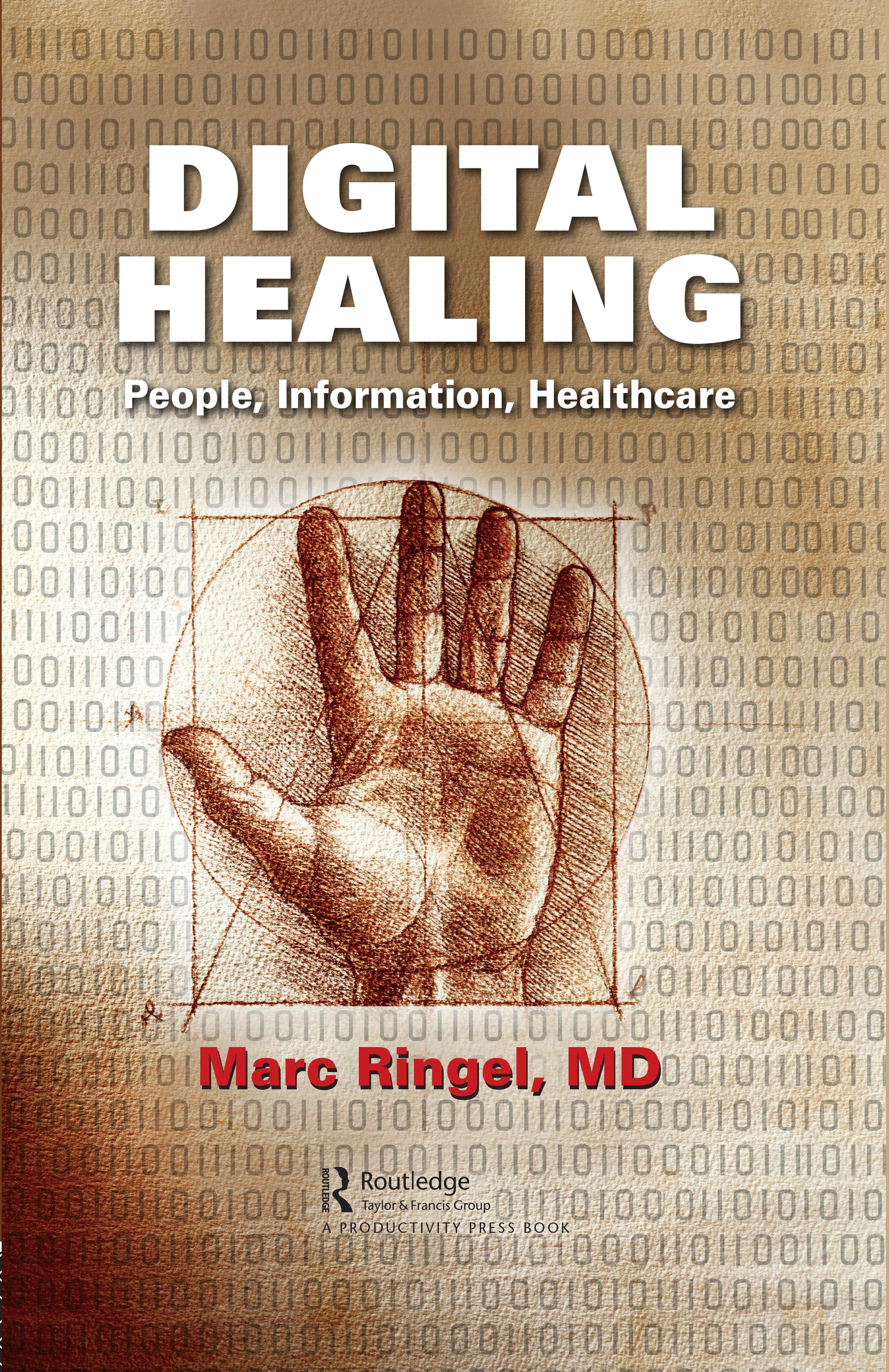
Medical practice and research are inconceivable today without electronic computing and communication tools. Digital machines do many tasks orders-of-magnitude better, faster and more accurately than humans.
Still, there are functions critical to the healthcare endeavor that people do much better than machines, things like: understanding and using natural language; perceiving what is unexpressed; taking into account values, culture, ethics, and human relationships; touching and healing. For the foreseeable future, the "smartest" computers will be no match for human beings when it comes to performing these most anthropic functions.
American healthcare is at a critical juncture. Providers and patients are increasingly frustrated by degradation of the human relationships that lie at the core of the medical practice. Technologies, such as the computerized medical record, get much of the blame for intrusion into the patient-provider relationship. However, it is not technology itself that is to blame. The fault lies with how systems are conceived, designed, and deployed.
This book analyzes how to organize the work of healthcare in a way that uses machines to do what they do best, thereby freeing humans to do what we do best. Smart use of electronic technology is crucial to the success of any bid to fulfill the Institute for Healthcare Improvement’s triple aim to make healthcare more effective, efficient, and humane.
Zahle einfach mit Karte, Klarna, Apple Pay oder Google Pay. Nicht zufrieden? Du hast immer ein 14-tägiges Widerrufsrecht. Lies mehr in unseren AGB. Hast du Fragen, schreib uns eine E-Mail an hello@memmo.org.
Memmo macht das Lernen einfacher – wo auch immer du bist. Bei uns findest du deine Kursbücher und smarte Lerntools an einem Ort: Zusammenfassungen, Quizzes, Podcasts und Lernkarten. Und Ted, dein Lernbuddy, beantwortet alles, was du wissen möchtest. Über 50.000 Studierende lernen bereits hier – gemacht, damit du schneller lernst und weniger Stress hast.