
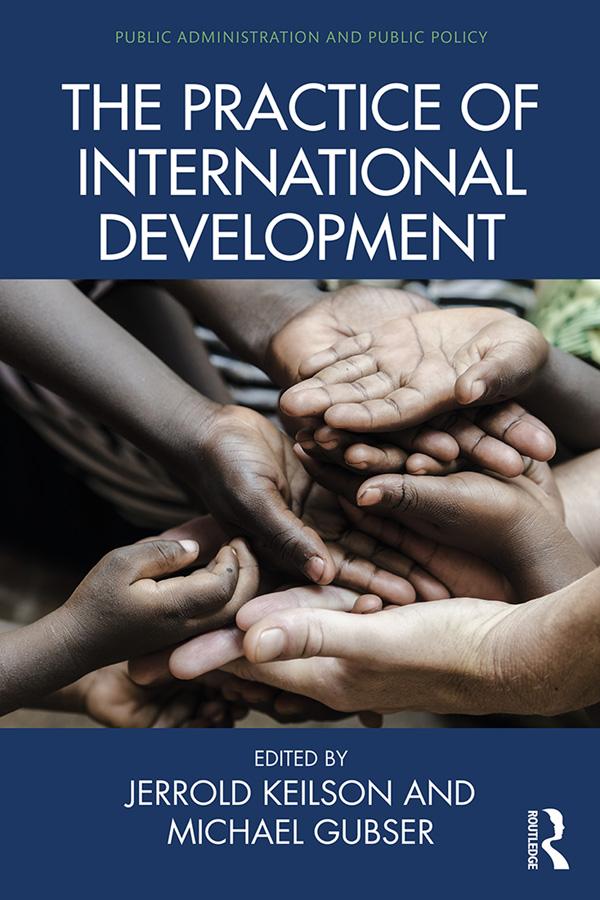
Development analysts tend to give short shrift to the seemingly minor bureaucratic hitches faced by practitioners—those who design, manage, implement, and evaluate aid projects. Often critical of foreign aid either for its apparent ineffectiveness at alleviating poverty or its purported neocolonial implications, the academic literature rarely acknowledges the experiences and pressures faced by practitioners themselves as they implement aid-funded development projects—the meetings, paperwork, negotiations, site visits, financial transactions, logistical arrangements, interviews, program activities, and beneficiary interactions—that keep projects running. And yet the impact of aid projects, and indeed the impact of development itself, often grows out of the daily activities and personal interactions of development practitioners. This unique book considers challenges from the perspective of development practitioners who confront technical, managerial, political, theoretical, and moral quandaries on a daily basis.
With chapters written by expert practitioners on different aspects of design and management of international development activities, this book examines real issues and navigates the often contradictory demands of local development needs, including international donor imperatives; limited financial resources, time, information, and assurance of results; the competing pulls of administrative efficiency; and the desire to alleviate suffering. It also gives readers access to the crucial but little-heard voices of those who spend their professional lives designing and managing foreign aid projects, offering insight into what did or did not work on projects they have managed, implemented, or evaluated. These insights do not seek to identify universally right or wrong ways of doing development; instead, they highlight pros and cons associated with various approaches and decisions. This book provides valuable insights for students and others interested in a development career, encourages practitioners to engage in reflection, and persuades researchers to further consider the influence of practice on project success or failure.
Zahle einfach mit Karte, Klarna, Apple Pay oder Google Pay. Nicht zufrieden? Du hast immer ein 14-tägiges Widerrufsrecht. Lies mehr in unseren AGB. Hast du Fragen, schreib uns eine E-Mail an hello@memmo.org.
Memmo macht das Lernen einfacher – wo auch immer du bist. Bei uns findest du deine Kursbücher und smarte Lerntools an einem Ort: Zusammenfassungen, Quizzes, Podcasts und Lernkarten. Und Ted, dein Lernbuddy, beantwortet alles, was du wissen möchtest. Über 50.000 Studierende lernen bereits hier – gemacht, damit du schneller lernst und weniger Stress hast.