
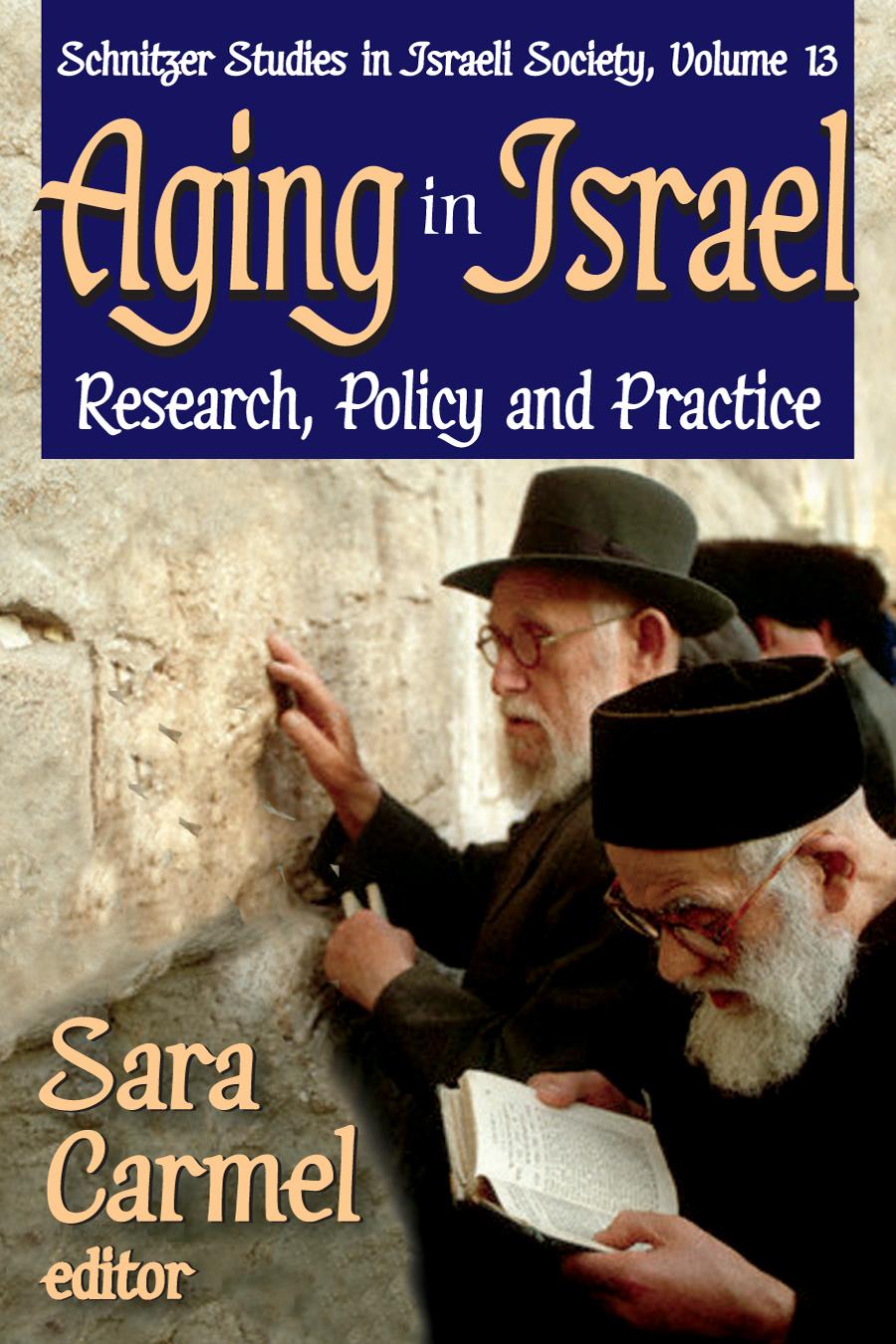
In the twentieth century, all developed nations began to undergo unprecedented demographic changes, as their birth rates declined, and life expectancies increased significantly --an average of thirty years in less than a century. These developments have caused major transformations in the composition of populations in these countries, especially in terms of the proportions of the various age groups. While the age groups of children and adolescents have decreased, those of elderly persons aged 65 and over, have increased.
Consistent with the situation in other developed nations, the absolute number and percentage of elderly persons in the Israeli population is increasing, while the percentage of younger persons is decreasing. Israel, however, differs from other developed countries in the pace of this demographic change, the composition of its population, and the ways it can address needs related to aging. The demographic figures in Israel indicate that not only is the proportion of elderly persons in the total population growing, but that the old population itself is rapidly aging as well.
This volume exemplifies how social science research can promote knowledge about and understanding of needs and opportunities for adaptation, and assist in evaluating the outcomes of policies and services on the personal, community and national levels, as well as suggest required changes. The variety of topics covered in this volume on age-related research, policies and practice reflects a wide range of research by Israeli scholars on social aspects of aging. Their research offers a glimpse into the knowledge base that has been built over the years on the aging process in Israel, the population of elderly people, and the national policies and network of services for the aged. Other developed countries with aging populations have much to learn from the Israeli experience.
Zahle einfach mit Karte, Klarna, Apple Pay oder Google Pay. Nicht zufrieden? Du hast immer ein 14-tägiges Widerrufsrecht. Lies mehr in unseren AGB. Hast du Fragen, schreib uns eine E-Mail an hello@memmo.org.
Memmo macht das Lernen einfacher – wo auch immer du bist. Bei uns findest du deine Kursbücher und smarte Lerntools an einem Ort: Zusammenfassungen, Quizzes, Podcasts und Lernkarten. Und Ted, dein Lernbuddy, beantwortet alles, was du wissen möchtest. Über 50.000 Studierende lernen bereits hier – gemacht, damit du schneller lernst und weniger Stress hast.