
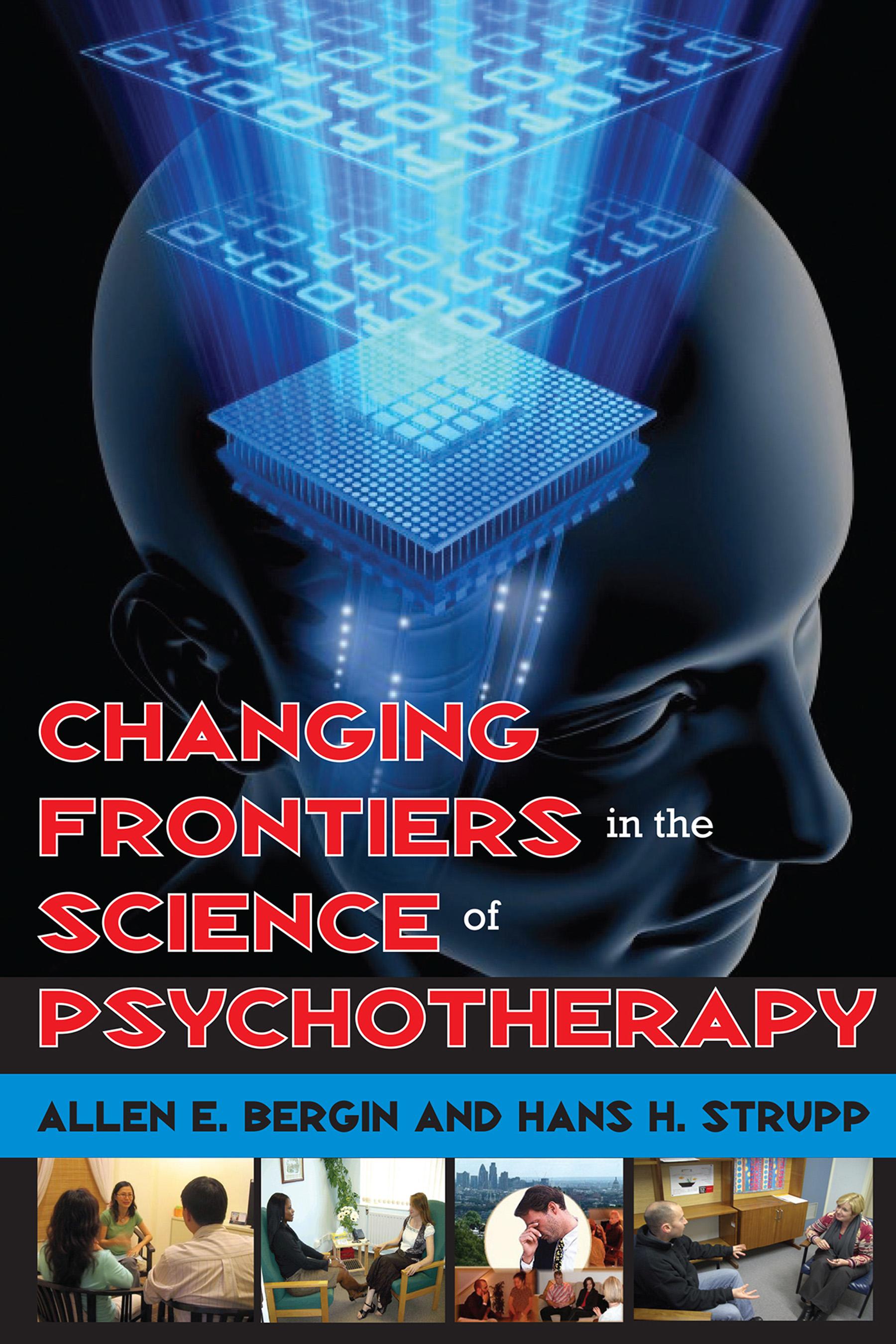
This book is an exploration and mapping of the frontiers of research in psychotherapy. The authors make a systematic effort to discover where the science is going; analyzing conceptual problems, trends, and issues; record their interviews with the leaders in the field; and recommend new directions for research. The volume is the result of a three-year study on collaborative research in psychotherapy by the National Institute of Mental Health, and was first published in 1972.In Changing Frontiers in the Science of Psychotherapy Allen E. Bergin and Hans H. Strupp introduce the reader to therapeutic science as it appeared to them during a three year process of evaluating available literature, conducting interviews with scientists and therapists, and exchanging and formulating viewpoints. Personal reflections and experiences were gleaned from working papers, correspondence, and personal material, all of which gave life to the ongoing processes of science and provide considerable insight into everyday reality behind the scenes.The prominent therapists interviewed in this book include Arnold A. Lazarus, Lester Luborsky, Arthur H. Auerbach, Lyle D. Schmidt, Stanley R. Strong, Paul E. Meehl, Howard F. Hunt, Bernard F. Riess, Thomas S. Szasz, Arnold P. Goldstein, Gerald C. Davison, Bernard Weitzman, J. B. Chassan, Kenneth M. Colby, Albert Bandura, Robert S. Wallerstein, Harold Sampson, Louis Breger, Howard Levene, Ralph R. Greenson, Milton Wexler, Carl B. Rogers, Charles B. Traux, Joseph D. Matarazzo, Neal E. Miller, Henry B. Linford, Peter H. Knapp, John M. Shlien, David Bakan, Marvin A. Smith, and Peter J. Lang, all of whom remain leading figures in the literature on psychotherapy.
Zahle einfach mit Karte, Klarna, Apple Pay oder Google Pay. Nicht zufrieden? Du hast immer ein 14-tägiges Widerrufsrecht. Lies mehr in unseren AGB. Hast du Fragen, schreib uns eine E-Mail an hello@memmo.org.
Memmo macht das Lernen einfacher – wo auch immer du bist. Bei uns findest du deine Kursbücher und smarte Lerntools an einem Ort: Zusammenfassungen, Quizzes, Podcasts und Lernkarten. Und Ted, dein Lernbuddy, beantwortet alles, was du wissen möchtest. Über 50.000 Studierende lernen bereits hier – gemacht, damit du schneller lernst und weniger Stress hast.
Das könnte dir auch gefallen
Buch kaufen0