
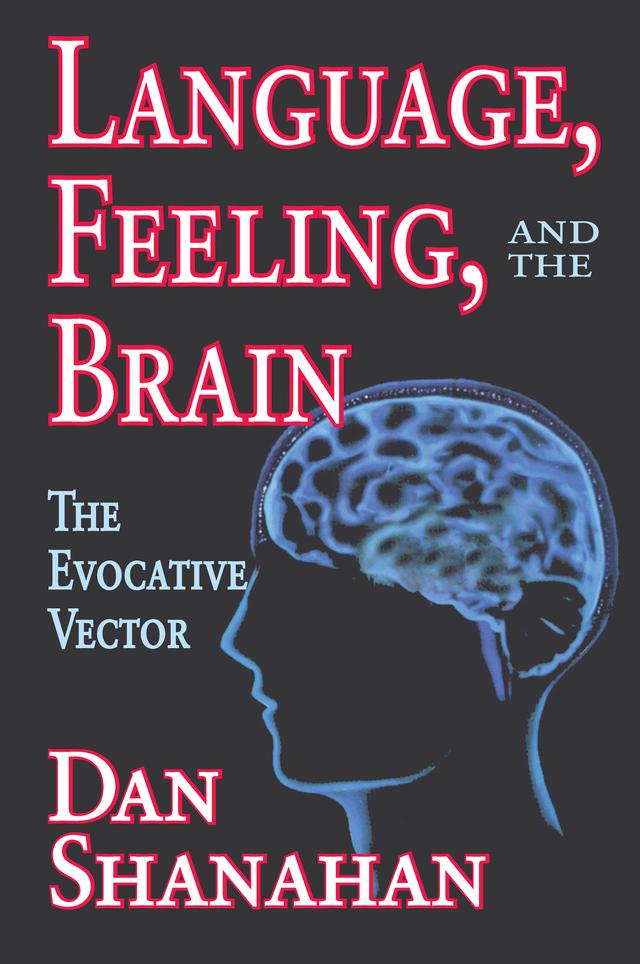
Linguistic theory since the Cognitive Revolution has fol- lowed one of the premises of that revolution by largely sidelining the issue of emotions and concentrating on those aspects of language that are more strictly cognitive. However, during the last ten years research in cognitive science, especially in neuropsychology, has begun to fill in the gaps left by the exclusion of emotions from cognitive research. The work of those like Oatley, Zajonc, Damasio, and LeDoux, to name a few, has demonstrated both that it is possible to construct models of how emotions play into the workings of the psyche and that they are necessary in giving us a balanced view of the human mind.
Language, Feeling, and the Brain attempts to apply the fruits of this new research in emotion to our understanding of language itself. Building on Karl Pribram's integrated model of emotions and motivations, the book takes an eclectic approach to explaining how emotions contribute to the nature of language, drawing on research done in neuropsychology, philosophy, cognitive linguistics, anthropology, and related fields. Its aim is to construct a propositional model for how the emotions may have contributed to the emergence of symbolic formation, most especially in the forms of gesture and speech, and how identifying that emotional influence sheds new light on everything we have had to say about language itself, from lexis and grammar to culture and literature.
Zahle einfach mit Karte, Klarna, Apple Pay oder Google Pay. Nicht zufrieden? Du hast immer ein 14-tägiges Widerrufsrecht. Lies mehr in unseren AGB. Hast du Fragen, schreib uns eine E-Mail an hello@memmo.org.
Memmo macht das Lernen einfacher – wo auch immer du bist. Bei uns findest du deine Kursbücher und smarte Lerntools an einem Ort: Zusammenfassungen, Quizzes, Podcasts und Lernkarten. Und Ted, dein Lernbuddy, beantwortet alles, was du wissen möchtest. Über 50.000 Studierende lernen bereits hier – gemacht, damit du schneller lernst und weniger Stress hast.