
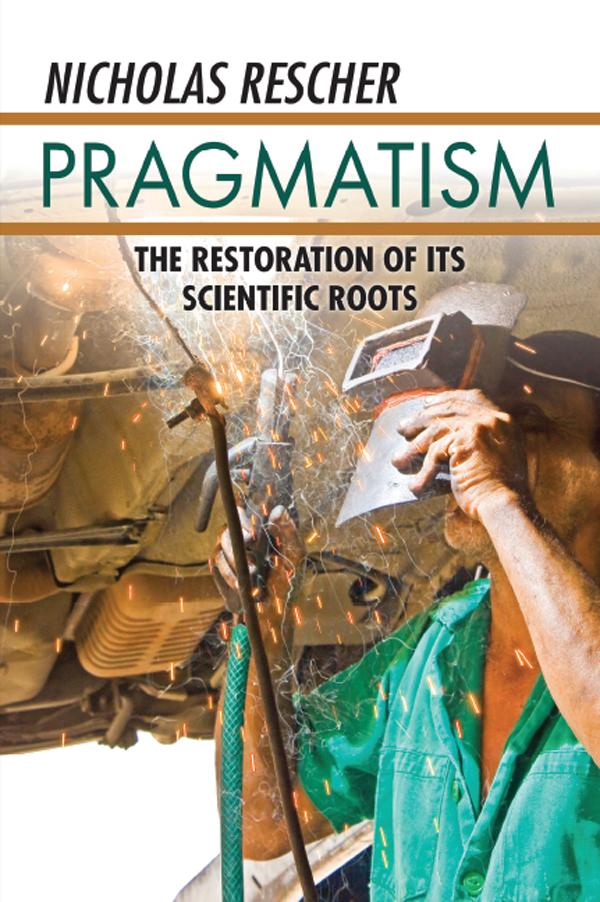
Pragmatism is rooted in the linking of practice and theory. It describes a process where theory is extracted from practice, and applied back to practice to form what is called intelligent practice. Pragmatism was intended, by Charles S. Peirce, its founder, as a doctrine for the rational substantiation of knowledge claims. For Peirce, what mattered was successful prediction and control. Practice was to serve as the arbiter of theory. Objective efficacy, not personal satisfaction, is what matters for fixing opinion in a community of rational inquirers.According to Nicholas Rescher, later pragmatists saw the matter differently. They envisioned subjective satisfactions, rather than objectively determinable functional effectiveness, as being the aim of the enterprise. Rescher notes that William James, in particular, had an agenda different from that of Peirce.The two pragmatisms are complete opposites, Rescher argues, in terms of claims and intentions. James's soft pragmatism abandons the classical idea of inquiry as the paramount of truth; it believes that truth is an illusion, an unrealizable figment of the imagination. By contrast, Peirce's hard pragmatism believes that the classic idea of truth remains valid. Rescher seeks to examine and explore pragmatism dialectically, with a conviction that brings pragmatism to life for specialist and generalist alike.
Zahle einfach mit Karte, Klarna, Apple Pay oder Google Pay. Nicht zufrieden? Du hast immer ein 14-tägiges Widerrufsrecht. Lies mehr in unseren AGB. Hast du Fragen, schreib uns eine E-Mail an hello@memmo.org.
Memmo macht das Lernen einfacher – wo auch immer du bist. Bei uns findest du deine Kursbücher und smarte Lerntools an einem Ort: Zusammenfassungen, Quizzes, Podcasts und Lernkarten. Und Ted, dein Lernbuddy, beantwortet alles, was du wissen möchtest. Über 50.000 Studierende lernen bereits hier – gemacht, damit du schneller lernst und weniger Stress hast.
Das könnte dir auch gefallen
Buch kaufen0