
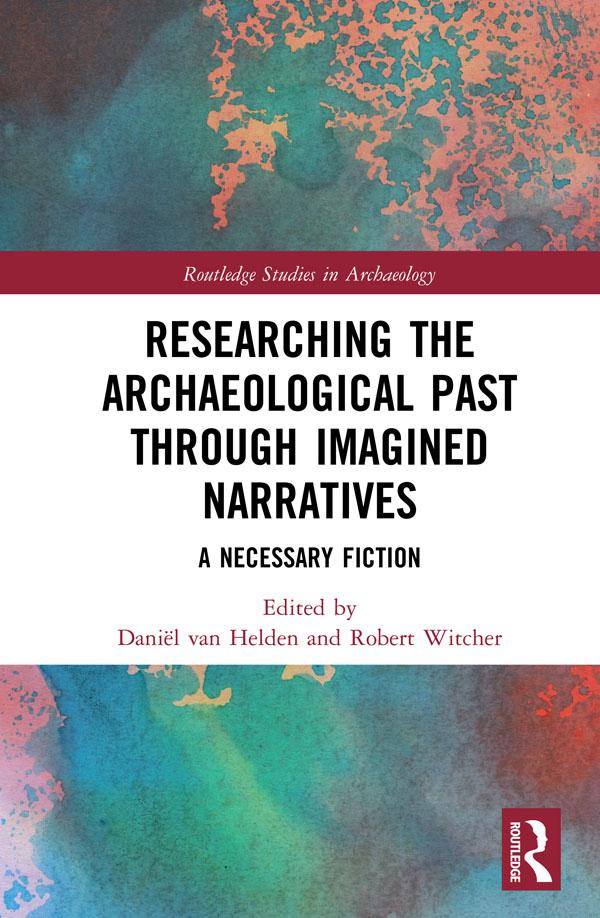
Archaeological interpretation is an imaginative act. Stratigraphy and artefacts do not tell us what the past was like; that is the task of the archaeologist. The diverse group of contributors to this volume address the relationship between archaeology and imagination through the medium of historical fiction and fictive techniques, both as consumers and as producers. The fictionalisation of archaeological research is often used to disseminate the results of scholarly or commercial archaeology projects for wider public outreach. Here, instead, the authors focus on the question of what benefits fiction and fictive techniques, as inspiration and method, can bring to the practice of archaeology itself.
The contributors, a mix of archaeologists, novelists and other artists, advance a variety of theoretical arguments and examples to advance the case for the value of a reflexive engagement between archaeology and fiction. Themes include the similarities and differences in the motives and methods of archaeologists and novelists, translation, empathy, and the need to humanise the past and diversify archaeological narratives. The authors are sensitive to the epistemological and ethical issues surrounding the influence of fiction on researchers and the incorporation of fictive techniques in their work. Sometimes dismissed as distracting just-so stories, or even as dangerously relativistic narratives, the use of fictive techniques has a long history in archaeological research and examples from the scholarly literature on many varied periods and regions are considered.
The volume sets out to bring together examples of these disparate applications and to focus attention on the need for explicit recognition of the problems and possibilities of such approaches, and on the value of further research about them.
Zahle einfach mit Karte, Klarna, Apple Pay oder Google Pay. Nicht zufrieden? Du hast immer ein 14-tägiges Widerrufsrecht. Lies mehr in unseren AGB. Hast du Fragen, schreib uns eine E-Mail an hello@memmo.org.
Memmo macht das Lernen einfacher – wo auch immer du bist. Bei uns findest du deine Kursbücher und smarte Lerntools an einem Ort: Zusammenfassungen, Quizzes, Podcasts und Lernkarten. Und Ted, dein Lernbuddy, beantwortet alles, was du wissen möchtest. Über 50.000 Studierende lernen bereits hier – gemacht, damit du schneller lernst und weniger Stress hast.