
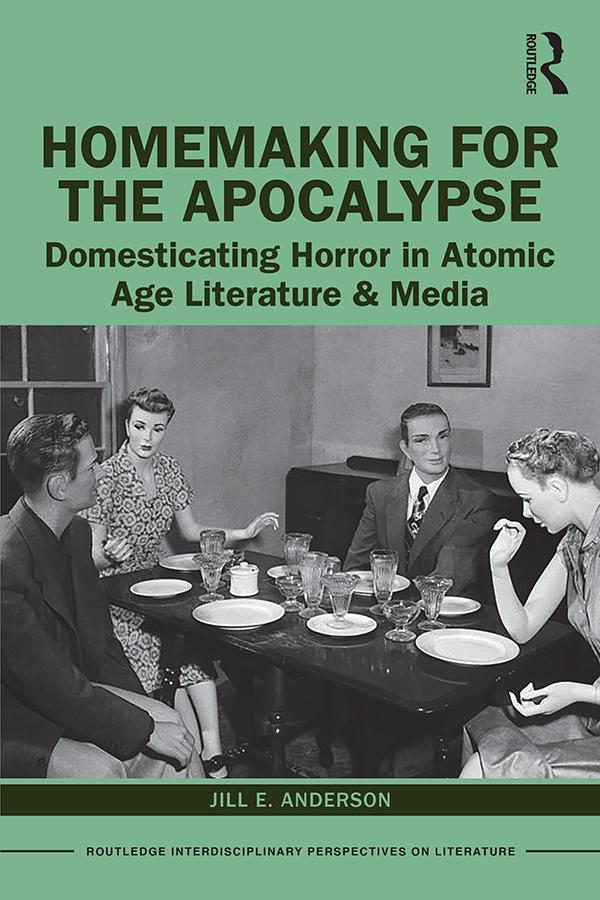
In Homemaking for the Apocalypse, Jill E. Anderson interrogates patterns of Atomic Age conformity that controlled the domestic practices and private activities of Americans. Used as a way to promote security in a period rife with anxieties about nuclear annihilation and The Bomb, these narratives of domesticity were governed by ideals of compulsory normativity, and their circulation upheld the wholesale idealization of homemaking within a white, middle-class nuclear family and all that came along with it: unchecked reproduction, constant consumerism, and a general policing of practices deemed contradictory to normative American life. Homemaking for the apocalypse seeks out the disruptions to the domestic ideals found in memoirs, Civil Defense literature, the fallout shelter debate, horror films, comics, and science fiction, engaging in elements of horror in order to expose how closely domestic practices are tied to dread and anxiety. Homemaking for the Apocalypse offers a narrative of the Atomic Age that calls into question popular memory’s acceptance of the conformity thesis and proposes new methods for critiquing the domestic imperative of the period by acknowledging its deep tie to horror.
Zahle einfach mit Karte, Klarna, Apple Pay oder Google Pay. Nicht zufrieden? Du hast immer ein 14-tägiges Widerrufsrecht. Lies mehr in unseren AGB. Hast du Fragen, schreib uns eine E-Mail an hello@memmo.org.
Memmo macht das Lernen einfacher – wo auch immer du bist. Bei uns findest du deine Kursbücher und smarte Lerntools an einem Ort: Zusammenfassungen, Quizzes, Podcasts und Lernkarten. Und Ted, dein Lernbuddy, beantwortet alles, was du wissen möchtest. Über 50.000 Studierende lernen bereits hier – gemacht, damit du schneller lernst und weniger Stress hast.