
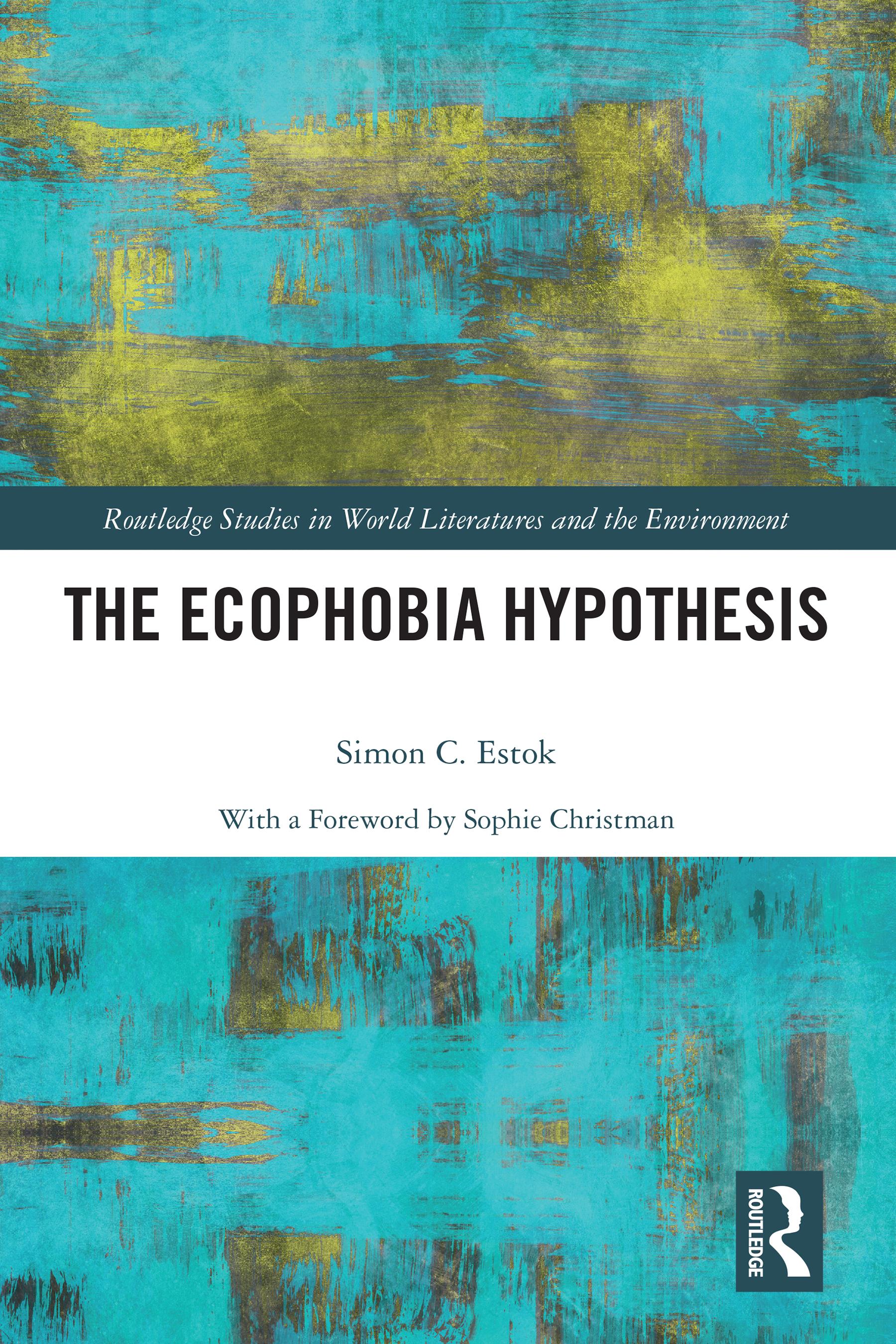
The Ecophobia Hypothesis grows out of the sense that while the theory of biophilia has productively addressed ideal human affinities with nature, the capacity of “the biophilia hypothesis” as an explanatory model of human/ environment relations is limited. The biophilia hypothesis cannot adequately account for the kinds of things that are going on in the world, things so extraordinary that we are increasingly coming to understand the current age as “the Anthropocene.” Building on the usefulness of the biophilia hypothesis, this book argues that biophilia exists on a broader spectrum that has not been adequately theorized. The Ecophobia Hypothesis claims that in order to contextualize biophilia (literally, the “love of life”) and the spectrum on which it sits, it is necessary to theorize how very un-philic human uses of the natural world are. This volume offers a rich tapestry of connected, comparative discussions about the new material turn and the urgent need to address the agency of genes, about the complexities of 21st century representations of ecophobia, and about how imagining terror interpenetrates the imagining of an increasingly oppositional natural environment. Furthermore, this book proposes that ecophobia is one root cause that explains why ecomedia—a veritably thriving industry—is having so little measurable impact in transforming our adaptive capacities. The ecophobia hypothesis offers an equation that determines the variable spectrums of the Anthropocene by measuring the ecophobic implications and inequalities of speciesism and the entanglement of environmental ethics with the writing of literary madness and pain. This work also investigates how current ecophobic perspectives systemically institutionalize the infrastructures of industrial agriculture and waste management. This is a book about revealing ecophobia and prompting transformational change.
Zahle einfach mit Karte, Klarna, Apple Pay oder Google Pay. Nicht zufrieden? Du hast immer ein 14-tägiges Widerrufsrecht. Lies mehr in unseren AGB. Hast du Fragen, schreib uns eine E-Mail an hello@memmo.org.
Memmo macht das Lernen einfacher – wo auch immer du bist. Bei uns findest du deine Kursbücher und smarte Lerntools an einem Ort: Zusammenfassungen, Quizzes, Podcasts und Lernkarten. Und Ted, dein Lernbuddy, beantwortet alles, was du wissen möchtest. Über 50.000 Studierende lernen bereits hier – gemacht, damit du schneller lernst und weniger Stress hast.