
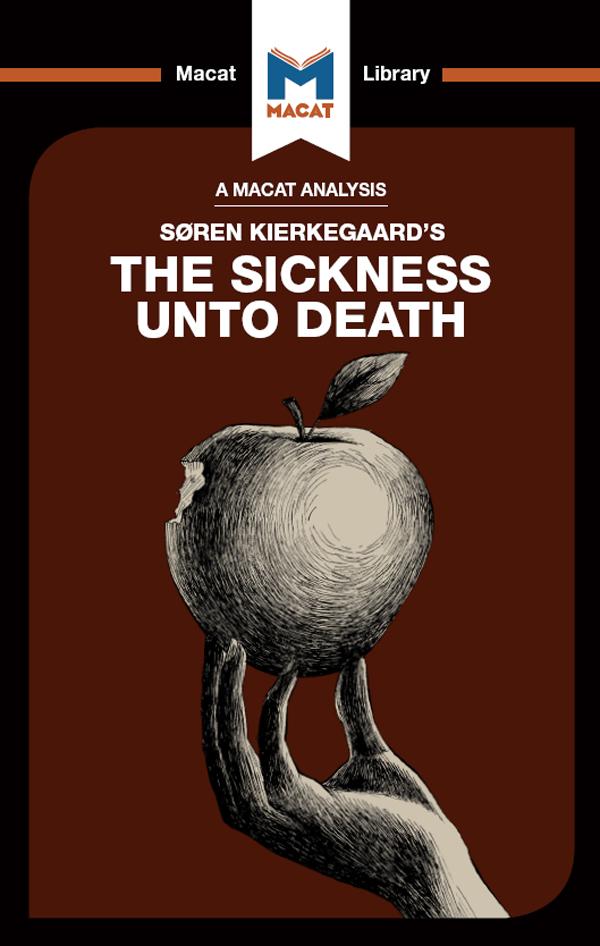
Søren Kierkegaard’s The Sickness unto Death is widely recognized as one of the most significant and influential works of Christian philosophy written in the nineteenth century. One of the cornerstones of Kierkegaard’s reputation as a writer and thinker, the book is also a masterclass in the art of interpretation. In critical thinking, interpretation is all about defining and clarifying terms – making sure that everyone is on the same page. But it can also be about redefining terms: showing old concepts in a new light by interpreting them in a certain way. This skill is at the heart of The Sickness unto Death.
Kierkegaard’s book focuses on the meaning of “despair” – the sickness named in the title. For Kierkegaard, the key problem of existence was an individual’s relationship with God, and he defines true despair as equating to the idea of sin – something that separates people from God, or from the idea of a higher standard beyond ourselves. Kierkegaard’s interpretative journey into the ideas of despair, sin and death is a Christian exploration of the place of the individual in the world. But its interpretative skills inspired generations of philosophers of all stripes – including notorious atheists like Jean-Paul Sartre.
Zahle einfach mit Karte, Klarna, Apple Pay oder Google Pay. Nicht zufrieden? Du hast immer ein 14-tägiges Widerrufsrecht. Lies mehr in unseren AGB. Hast du Fragen, schreib uns eine E-Mail an hello@memmo.org.
Memmo macht das Lernen einfacher – wo auch immer du bist. Bei uns findest du deine Kursbücher und smarte Lerntools an einem Ort: Zusammenfassungen, Quizzes, Podcasts und Lernkarten. Und Ted, dein Lernbuddy, beantwortet alles, was du wissen möchtest. Über 50.000 Studierende lernen bereits hier – gemacht, damit du schneller lernst und weniger Stress hast.