
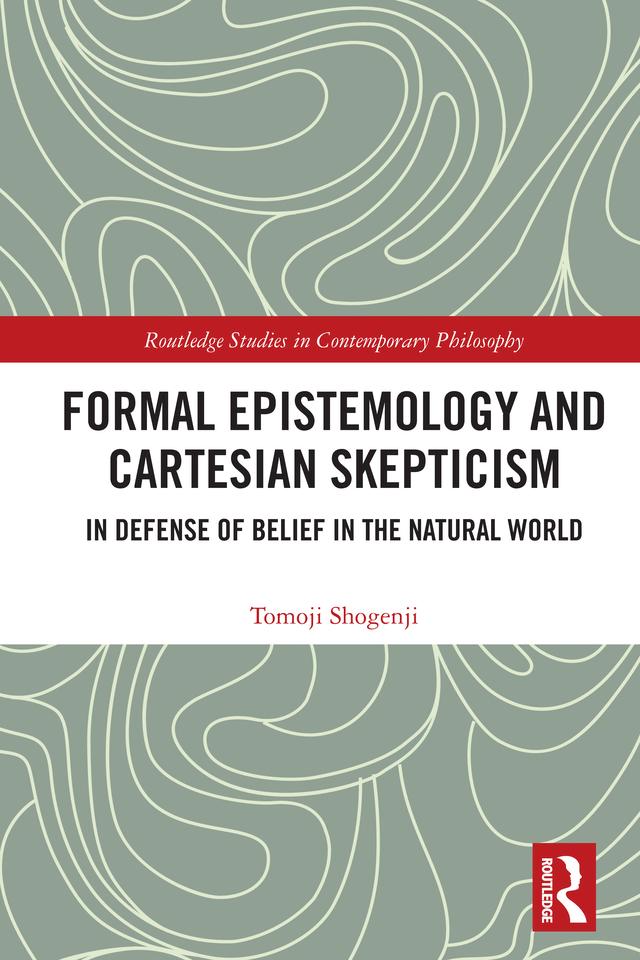
This book develops new techniques in formal epistemology and applies them to the challenge of Cartesian skepticism. It introduces two formats of epistemic evaluation that should be of interest to epistemologists and philosophers of science: the dual-component format, which evaluates a statement on the basis of its safety and informativeness, and the relative-divergence format, which evaluates a probabilistic model on the basis of its complexity and goodness of fit with data. Tomoji Shogenji shows that the former lends support to Cartesian skepticism, but the latter allows us to defeat Cartesian skepticism. Along the way, Shogenji addresses a number of related issues in epistemology and philosophy of science, including epistemic circularity, epistemic closure, and inductive skepticism.
Zahle einfach mit Karte, Klarna, Apple Pay oder Google Pay. Nicht zufrieden? Du hast immer ein 14-tägiges Widerrufsrecht. Lies mehr in unseren AGB. Hast du Fragen, schreib uns eine E-Mail an hello@memmo.org.
Memmo macht das Lernen einfacher – wo auch immer du bist. Bei uns findest du deine Kursbücher und smarte Lerntools an einem Ort: Zusammenfassungen, Quizzes, Podcasts und Lernkarten. Und Ted, dein Lernbuddy, beantwortet alles, was du wissen möchtest. Über 50.000 Studierende lernen bereits hier – gemacht, damit du schneller lernst und weniger Stress hast.