
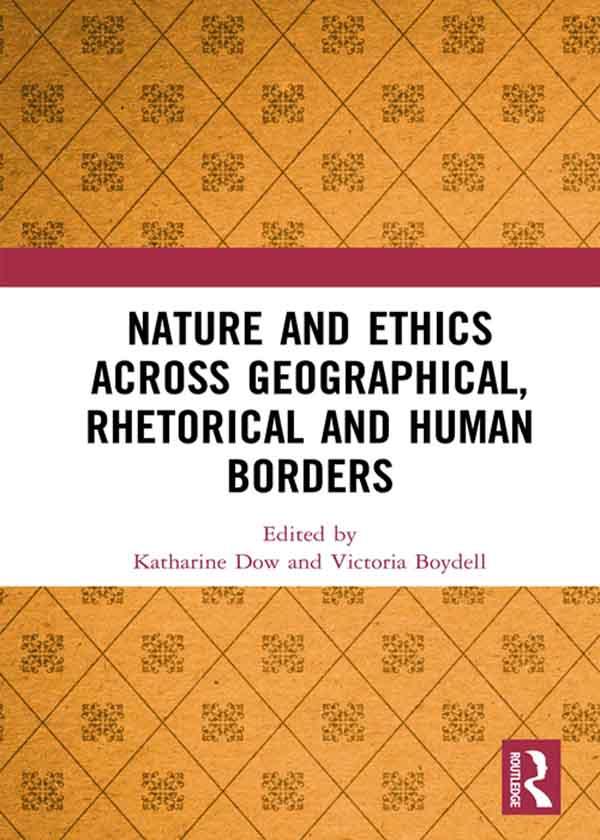
How we dispose of our rubbish, choose the foods we buy, enjoy art, relate to our families, and think about ourselves are just a few of the ways that ideas about nature shape our everyday ethical decisions. Nature and ‘natural facts’ have long been used to make sense of why we act a certain way. Nature is a concept with great power: when we describe something as ‘natural’ or ‘unnatural’, it has a moral force and political consequences. We see this in moral panics about genetically modified foods, the spread of government-enforced waste recycling schemes, concerns about assisted reproductive technologies. Our ideas about what is natural shape our ethical thinking, in terms of how people live (or want to live) their lives, but also in guiding our sense of morality, justice and truth.
The idea of naturalness is essential to grasping Anglo-American cultures. Throughout history and in different places, nature has had different forms, meanings, and moral valences. It is a knowable fact, but at the same time almost a divine principle that is ultimately unfathomable. Yet with the rise of new technologies, there is increasing uncertainty about what we claim to be natural, who we are, how we are related to each other, and how we should live.
This book examines the how ideas about nature and ethics overlap and separate across cultural, species, geographic, and moral boundaries. It compares the varied ways in which nature and ideas of naturalness pervade all aspects of people’s lives, from family relationships, to the production and consumption of food, to ideas about scientific truth. In a world of increasing uncertainty, nature remains a powerful concept: the ultimate reference point, invested with profound moral authority to guide our ethical behaviour. This book was originally published as a special issue of Ethnos.
Zahle einfach mit Karte, Klarna, Apple Pay oder Google Pay. Nicht zufrieden? Du hast immer ein 14-tägiges Widerrufsrecht. Lies mehr in unseren AGB. Hast du Fragen, schreib uns eine E-Mail an hello@memmo.org.
Memmo macht das Lernen einfacher – wo auch immer du bist. Bei uns findest du deine Kursbücher und smarte Lerntools an einem Ort: Zusammenfassungen, Quizzes, Podcasts und Lernkarten. Und Ted, dein Lernbuddy, beantwortet alles, was du wissen möchtest. Über 50.000 Studierende lernen bereits hier – gemacht, damit du schneller lernst und weniger Stress hast.