
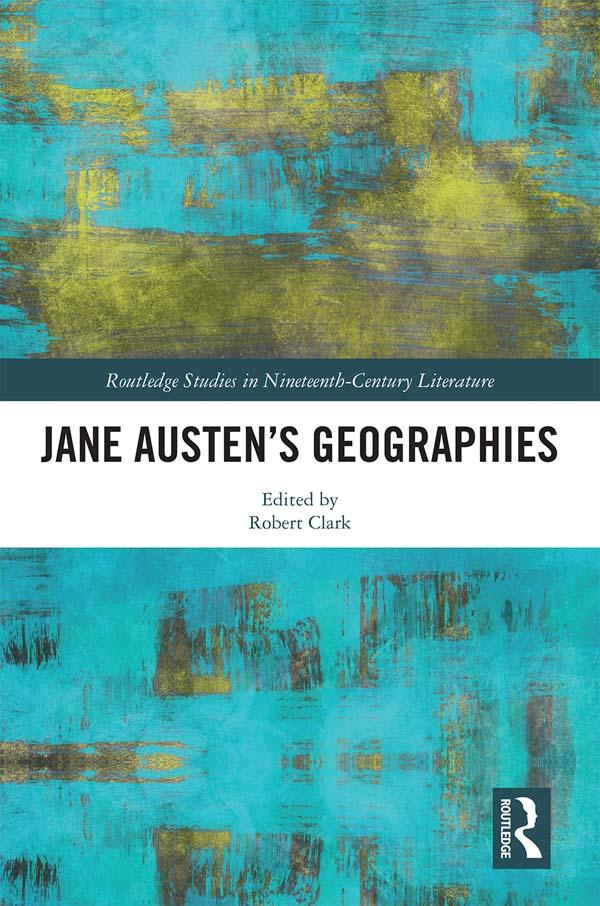
When Jane Austen represented the ideal subject for a novel as "three or four families in a country village", rather than encouraging a narrow range of reference she may have meant that a tight focus was the best way of understanding the wider world. The essays in this collection research the historical significance of her many geographical references and suggest how contemporaries may have read them, whether as indications of the rapid development of national travel, or of Britain’s imperial status, or as signifiers of wealth and social class, or as symptomatic of political fears and aspirations. Specifically, the essays consider the representation of colonial mail-order wives and naval activities in the Mediterranean, the worrisome nomadism of contemporary capitalism, the complexity of her understanding of the actual places in which her fictions are set, her awareness of and eschewal of contemporary literary conventions, and the burden of the Austen family’s Kentish origins, the political implications of addresses in London and Northamptonshire. Skilful, detailed, and historically informed, these essays open domains of meaning in Austen’s texts that have often gone unseen by later readers but which were probably available to her coterie readers and clearly merit much closer critical attention.
Zahle einfach mit Karte, Klarna, Apple Pay oder Google Pay. Nicht zufrieden? Du hast immer ein 14-tägiges Widerrufsrecht. Lies mehr in unseren AGB. Hast du Fragen, schreib uns eine E-Mail an hello@memmo.org.
Memmo macht das Lernen einfacher – wo auch immer du bist. Bei uns findest du deine Kursbücher und smarte Lerntools an einem Ort: Zusammenfassungen, Quizzes, Podcasts und Lernkarten. Und Ted, dein Lernbuddy, beantwortet alles, was du wissen möchtest. Über 50.000 Studierende lernen bereits hier – gemacht, damit du schneller lernst und weniger Stress hast.