
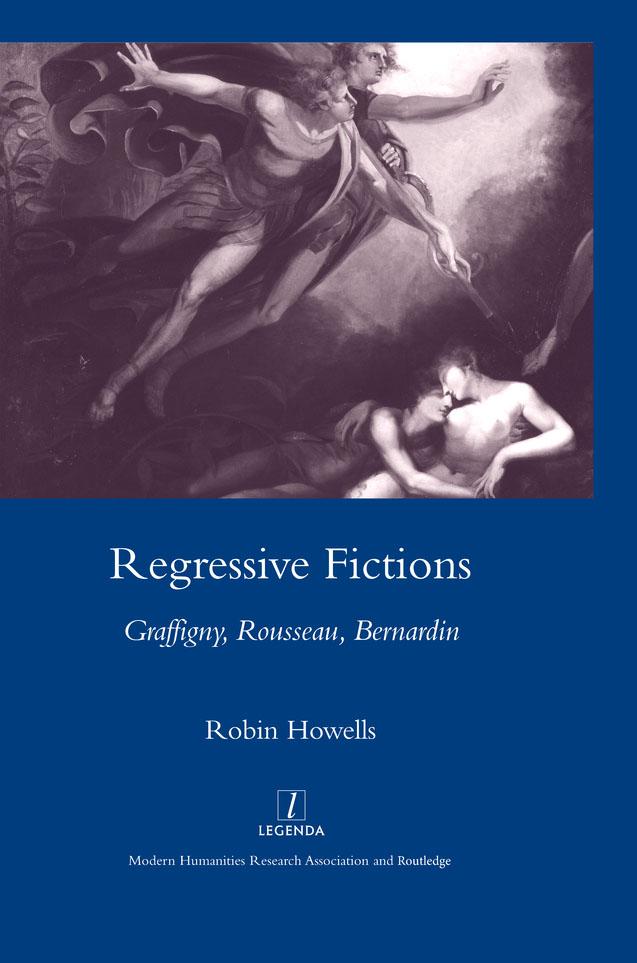
"In a cultural shift around the mid-point of the French eighteenth century, the mode of wit is increasingly displaced by bourgeois pathos. Social sophistication and sexual experience are rejected in favour of a retreat into ideal imagination. Instead of the novel of worldliness, we encounter fictions of better worlds: original, natural, familial, innocent and harmonious, protected against reality and time. The regressive shift is traced in this study in general terms, and then through detailed analysis of three of the best-selling novels of the period. The turning-point is represented by Mme de Graffignys Lettres dune Peruvienne (1747, 1752) with its profound ambivalence towards knowledge. A new order is revealed and set out, but still declared lacking, in Rousseaus Julie, ou la Nouvelle Heloise (1761). The visionary return to the organic wholeness of nature is offered by Bernardins Paul et Virginie (1788)."
Zahle einfach mit Karte, Klarna, Apple Pay oder Google Pay. Nicht zufrieden? Du hast immer ein 14-tägiges Widerrufsrecht. Lies mehr in unseren AGB. Hast du Fragen, schreib uns eine E-Mail an hello@memmo.org.
Memmo macht das Lernen einfacher – wo auch immer du bist. Bei uns findest du deine Kursbücher und smarte Lerntools an einem Ort: Zusammenfassungen, Quizzes, Podcasts und Lernkarten. Und Ted, dein Lernbuddy, beantwortet alles, was du wissen möchtest. Über 50.000 Studierende lernen bereits hier – gemacht, damit du schneller lernst und weniger Stress hast.
Das könnte dir auch gefallen
Buch kaufen0