
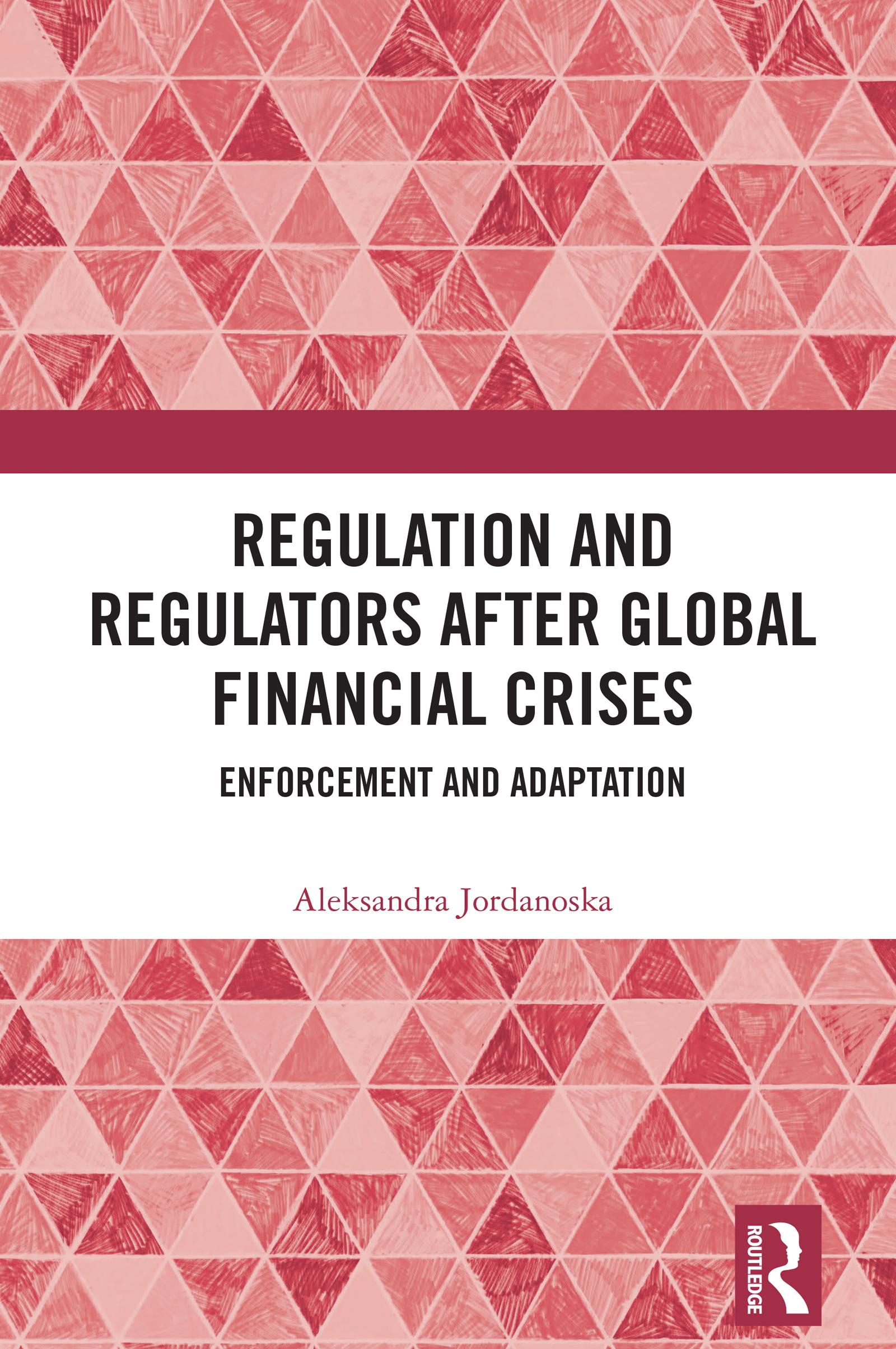
This book provides an original theoretically and empirically grounded analysis of regulatory enforcement activism in post-crises periods and the ensuing regulatory interactions.
It critically addresses the ‘more regulation’ enforcement agenda in the aftermath of the 2008 financial crisis, showing how misconduct was constructed through the enforcement policies and practices of the powerful UK financial conduct regulator, and its interactions with regulated organisations and their legal representatives. Drawing from interviews with current and former regulators, professional intermediaries, and markets participants; documentary analysis; and observations, the volume’s interdisciplinary approach is grounded in constructivist perspectives on compliance and deviance, regulation theory, and socio-legal research.
Through a multi-dimensional analytical framework that links shifts in regulatory policy-making, and experimentations with, and use of, legal powers in information-gathering, legal and extra-legal penalties, and individual accountability, the book documents a more interventionist and punitive post-crisis enforcement agenda.
Despite the increased enforcement focus, it is not necessarily the case that the power tilted more towards the regulator or towards more adversarial regulatory interactions. Using the new concept of ‘mutual risk mitigation', Jordanoska uncovers and theorises the strong cooperative relationships that enabled promoting strategies of adaptation to the more punitive enforcement agenda.
This fine-grained socio-legal inquiry challenges current thinking in the ‘scandal and reform’ literature and makes innovative and timely contributions to our understanding of the limitations of regulatory activism, regulatory relationships, the governance of financial markets, and on regulating corporations and the individuals within them. It will appeal to academics, researchers, regulators, and policymakers working in regulation across law, criminology, politics, and sociology.
Zahle einfach mit Karte, Klarna, Apple Pay oder Google Pay. Nicht zufrieden? Du hast immer ein 14-tägiges Widerrufsrecht. Lies mehr in unseren AGB. Hast du Fragen, schreib uns eine E-Mail an hello@memmo.org.
Memmo macht das Lernen einfacher – wo auch immer du bist. Bei uns findest du deine Kursbücher und smarte Lerntools an einem Ort: Zusammenfassungen, Quizzes, Podcasts und Lernkarten. Und Ted, dein Lernbuddy, beantwortet alles, was du wissen möchtest. Über 50.000 Studierende lernen bereits hier – gemacht, damit du schneller lernst und weniger Stress hast.