
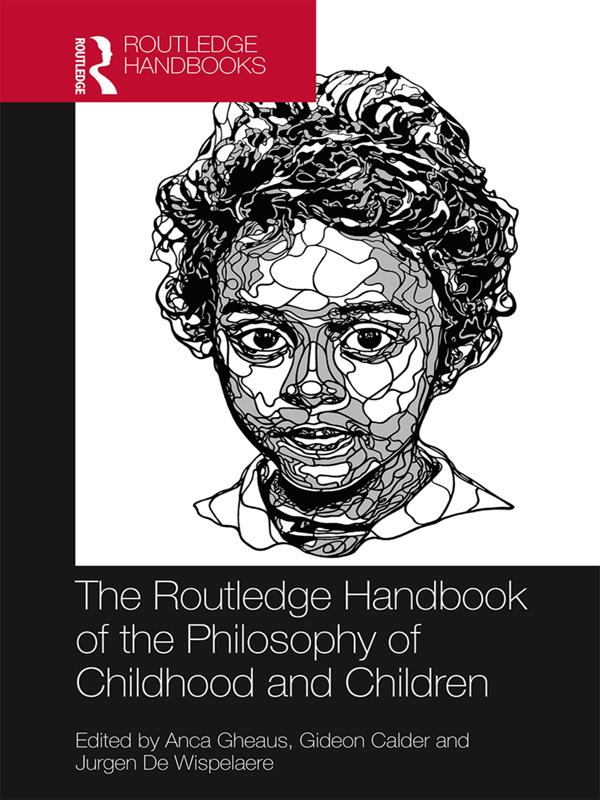
Childhood looms large in our understanding of human life, as a phase through which all adults have passed. Childhood is foundational to the development of selfhood, the formation of interests, values and skills and to the lifespan as a whole. Understanding what it is like to be a child, and what differences childhood makes, are thus essential for any broader understanding of the human condition. The Routledge Handbook of the Philosophy of Childhood and Children is an outstanding reference source for the key topics, problems and debates in this crucial and exciting field and is the first collection of its kind. Comprising over thirty chapters by a team of international contributors the Handbook is divided into five parts:
· Being a child
· Childhood and moral status
· Parents and children
· Children in society
· Children and the state.
Questions covered include: What is a child? Is childhood a uniquely valuable state, and if so why? Can we generalize about the goods of childhood? What rights do children have, and are they different from adults’ rights? What (if anything) gives people a right to parent? What role, if any, ought biology to play in determining who has the right to parent a particular child? What kind of rights can parents legitimately exercise over their children? What roles do relationships with siblings and friends play in the shaping of childhoods? How should we think about sexuality and disability in childhood, and about racialised children? How should society manage the education of children? How are children’s lives affected by being taken into social care?
The Routledge Handbook of the Philosophy of Childhood and Children is essential reading for students and researchers in philosophy of childhood, political philosophy and ethics as well as those in related disciplines such as education, psychology, sociology, social policy, law, social work, youth work, neuroscience and anthropology.
Zahle einfach mit Karte, Klarna, Apple Pay oder Google Pay. Nicht zufrieden? Du hast immer ein 14-tägiges Widerrufsrecht. Lies mehr in unseren AGB. Hast du Fragen, schreib uns eine E-Mail an hello@memmo.org.
Memmo macht das Lernen einfacher – wo auch immer du bist. Bei uns findest du deine Kursbücher und smarte Lerntools an einem Ort: Zusammenfassungen, Quizzes, Podcasts und Lernkarten. Und Ted, dein Lernbuddy, beantwortet alles, was du wissen möchtest. Über 50.000 Studierende lernen bereits hier – gemacht, damit du schneller lernst und weniger Stress hast.