
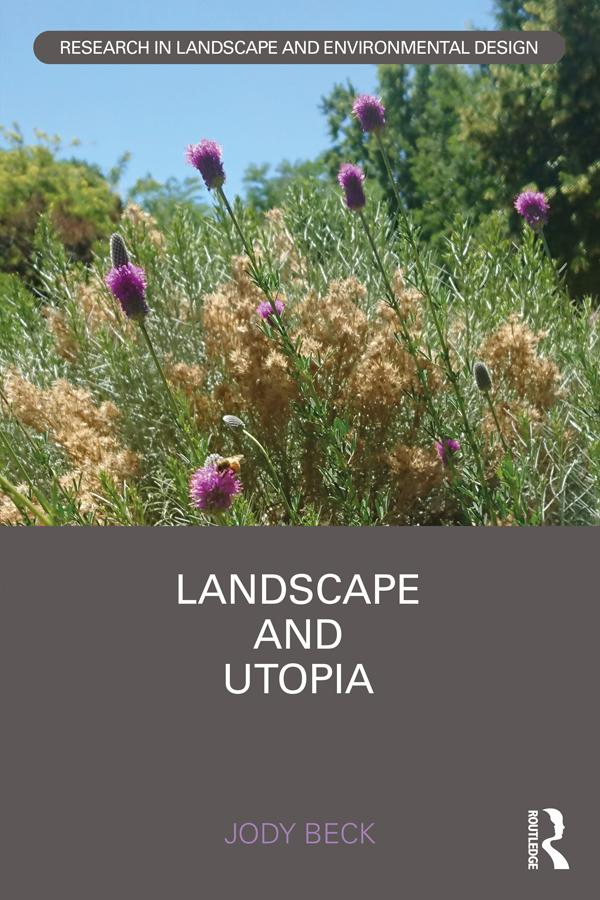
This book examines three landmark utopian visions central to 20th century landscape architectural, planning, and architectural theory.
The period between the 1890s and the 1940s was a fertile time for utopian thinking. Significant geographic shifts of large populations; radically altered relations between capital and labor; rapid technological developments; large investments in transportation and energy infrastructure; and repetitive economic disruptions motivated many individuals to wholly reimagine society – including the connections between social relations and the built environment. Landscape and Utopia examines the role of landscapes in the political imaginations of the Garden City, the Radiant City, and Broadacre City. Each project uses landscapes to propose a reconstruction of the relationships between land, labor, and capital but - while the projects are well-known – the role played by landscapes has been largely left unexamined. Similarly, the radical anti-capitalism that underpinned each project has similarly been, for the most part, left out of contemporary discussions. This book sets these projects within a historical and philosophical context and opens a discussion on the role of landscapes in society today.
This book will be a must-read for instructors, students, and researchers of the history and theory of landscape architecture, planning, and architecture as well as utopian studies, cultural and social history, and environmental theory.
Zahle einfach mit Karte, Klarna, Apple Pay oder Google Pay. Nicht zufrieden? Du hast immer ein 14-tägiges Widerrufsrecht. Lies mehr in unseren AGB. Hast du Fragen, schreib uns eine E-Mail an hello@memmo.org.
Memmo macht das Lernen einfacher – wo auch immer du bist. Bei uns findest du deine Kursbücher und smarte Lerntools an einem Ort: Zusammenfassungen, Quizzes, Podcasts und Lernkarten. Und Ted, dein Lernbuddy, beantwortet alles, was du wissen möchtest. Über 50.000 Studierende lernen bereits hier – gemacht, damit du schneller lernst und weniger Stress hast.