
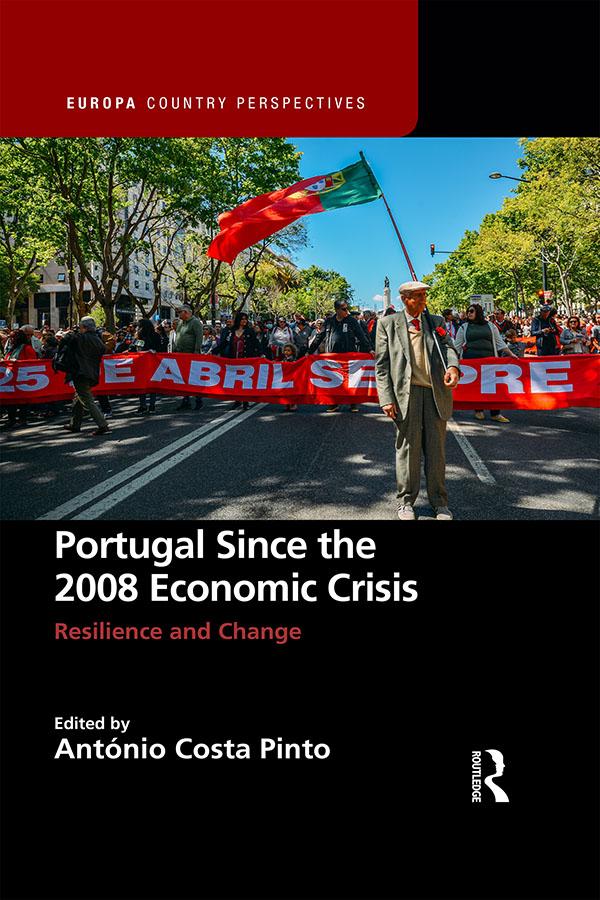
Portuguese democracy is now celebrating its 50th anniversary. Portugal joined the European Union (EU) in 1986, but the enduring legacies of the country’s transition process from authoritarianism to democracy became apparent during the European sovereign debt crisis, when Portugal experienced its third bailout since the institutionalization of democratic government. Although the first decade after EU accession was one of slight growth and investment, Portugal’s economy has, in effect, been performing poorly since the beginning of the 21st century. Among the major changes in Portuga - as in much of Southern Europe - as a result of the ‘great recession’, was the emergence of important new actors, including populist parties, new social movements and the polarization of attitudes toward the EU. In some of these areas, the phrase ‘with the exception of Portugal’ was always present. This book explores the factors that might explain why this is no longer the case, presenting a global overview, with an interdisciplinary focus, of the processes of economic, social and political changes in Portuguese democracy since the 2008 economic crisis.
The volume is accessible to a broad academic audience, with chapters examining economic, political, social and foreign policy issues, for scholars interested in an analysis of Portugal’s emergence from the economic crisis.
Zahle einfach mit Karte, Klarna, Apple Pay oder Google Pay. Nicht zufrieden? Du hast immer ein 14-tägiges Widerrufsrecht. Lies mehr in unseren AGB. Hast du Fragen, schreib uns eine E-Mail an hello@memmo.org.
Memmo macht das Lernen einfacher – wo auch immer du bist. Bei uns findest du deine Kursbücher und smarte Lerntools an einem Ort: Zusammenfassungen, Quizzes, Podcasts und Lernkarten. Und Ted, dein Lernbuddy, beantwortet alles, was du wissen möchtest. Über 50.000 Studierende lernen bereits hier – gemacht, damit du schneller lernst und weniger Stress hast.