
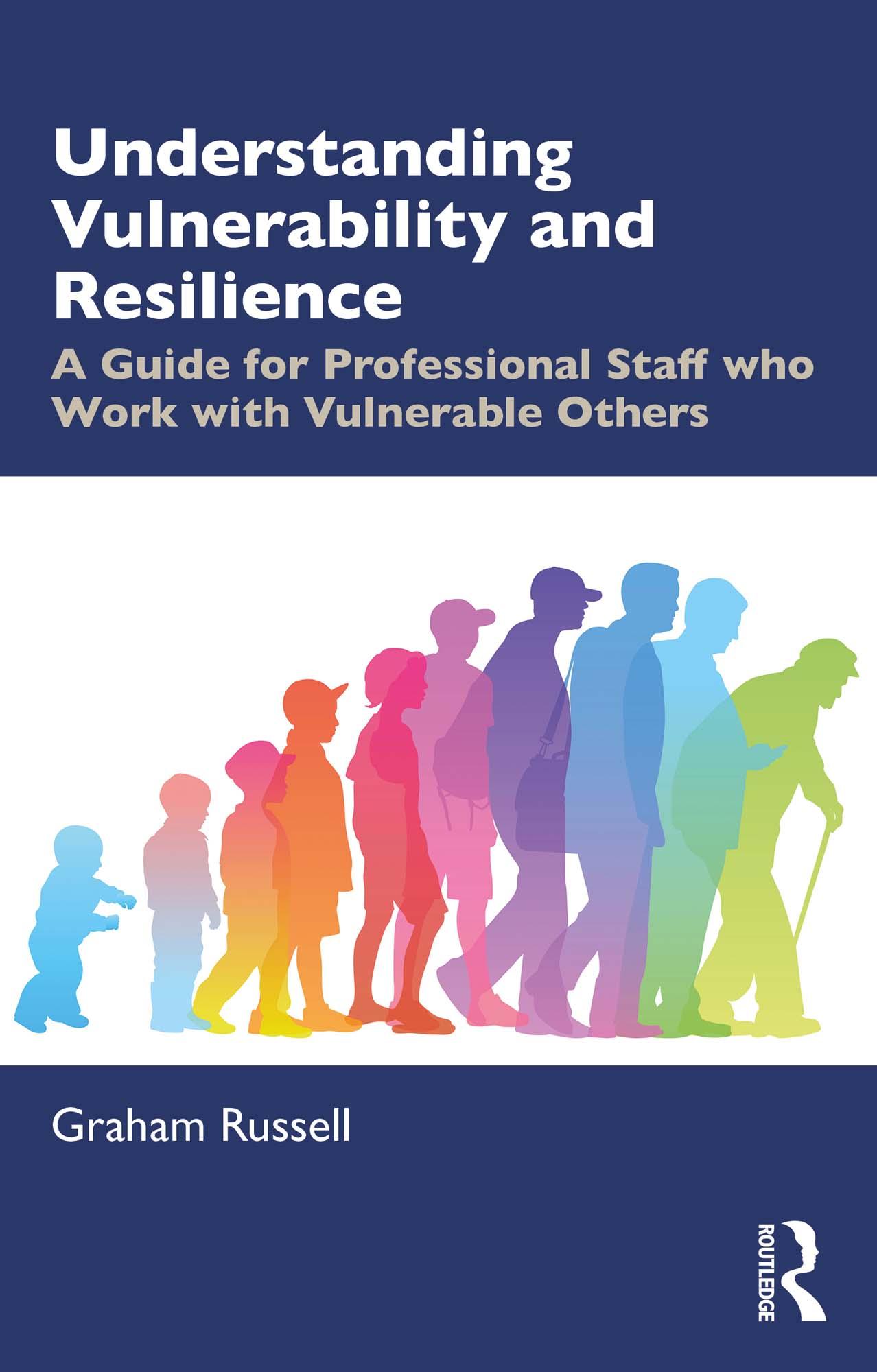
This book offers an accessible and evidence-based approach for professional staff to improve their interactions with vulnerable people. Drawing upon contemporary research from a broad array of disciplines, including psychology, sociology, economics, biology and the neurosciences, it demonstrates how vulnerability and resilience are not fixed personality traits, as is commonly assumed, but rather fluid and dynamic states that result from inhibitory and developmental factors that reside within individuals and their external environments.
Each chapter focuses on factors that create vulnerability and those that promote resilience with reference to important subjects, such as child development, epigenetics, trauma, shame, addiction, poverty, emotional intelligence, personality, empathy, compassion and behaviour-change. Attention is given to the role of positive, early life experiences in creating an internal working model of the world that is based on trust, intimacy and hope and how the root causes of vulnerability often lie in the cyclical relationship that exists between child maltreatment, trauma and socially deprived environments that cumulatively act to keep people locked in states of inter-generational poverty. The author explores pressing and important workplace issues, such as occupational stress and burnout, and highlights the urgent need for compassionate systems of management that are functionally equipped to address human error, stress and trauma in complex professional arenas where staff are continually exposed to other peoples’ suffering. The book also demonstrates how strategies and processes which coerce individuals and groups into changing their behaviour are generally counterproductive and it explains how resilient change is invariably supported by strategies that enhance trust, cooperation, personal control and self-efficacy.
This book will benefit professional staff, including health, emergency and social services, humanitarian workers, counsellors and therapists, as well as students who want to learn more about the conceptual frameworks that explain vulnerability and resilience.
Zahle einfach mit Karte, Klarna, Apple Pay oder Google Pay. Nicht zufrieden? Du hast immer ein 14-tägiges Widerrufsrecht. Lies mehr in unseren AGB. Hast du Fragen, schreib uns eine E-Mail an hello@memmo.org.
Memmo macht das Lernen einfacher – wo auch immer du bist. Bei uns findest du deine Kursbücher und smarte Lerntools an einem Ort: Zusammenfassungen, Quizzes, Podcasts und Lernkarten. Und Ted, dein Lernbuddy, beantwortet alles, was du wissen möchtest. Über 50.000 Studierende lernen bereits hier – gemacht, damit du schneller lernst und weniger Stress hast.